
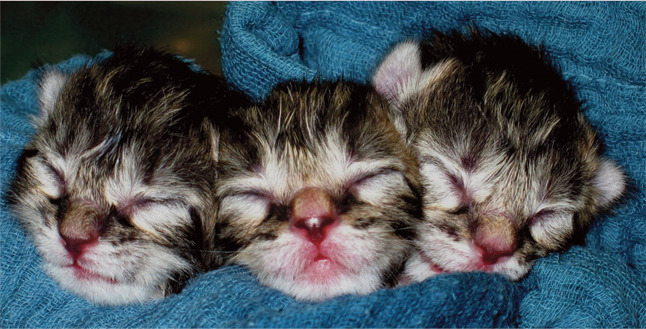
Fading kitten syndrome describes a rapid decline in a newborn or very young kitten that can become life-threatening within a short period. A kitten may initially appear healthy but then become weak, stop nursing, feel cold, cry unusually, or become unable to stand or hold its head up.
Fading kitten syndrome is not a single disease with one specific cause. It is a description of a serious condition in which a neonatal kitten is failing to thrive and may have problems such as low body temperature, low blood sugar, dehydration, infection, inadequate nutrition, or an underlying congenital problem.
Because young kittens have limited energy reserves and immature systems, they can deteriorate much faster than older cats. If you suspect your kitten is fading, treat the situation as an emergency and contact a veterinarian as soon as possible.
What Is Fading Kitten Syndrome?
Fading kitten syndrome is a term used when a newborn or neonatal kitten experiences a sudden or progressive decline in health.
A fading kitten may stop nursing, become increasingly weak, lose body temperature, become dehydrated, or develop difficulty breathing. The condition can progress rapidly, so early recognition is extremely important.
The three major problems commonly associated with fading kittens are:
- Hypothermia — dangerously low body temperature
- Hypoglycemia — dangerously low blood sugar
- Dehydration — insufficient body fluid
Infections, congenital abnormalities, poor nutrition, environmental problems, birth complications, and other medical conditions can also contribute.
What Age Is a Kitten Most at Risk?
Fading kitten syndrome primarily concerns newborn and very young kittens, particularly those that are not yet able to regulate their body temperature and nutrition effectively.
Newborn kittens have very limited energy reserves and immature temperature-regulation mechanisms. They depend heavily on their mother or caregiver for warmth and regular nutrition.
This is why a kitten that is only a few days or weeks old should be monitored closely for changes in nursing, weight, warmth, activity, and behavior.
Signs of Fading Kitten Syndrome
Recognizing the warning signs early can make an important difference.
Common signs include:
1. The Kitten Feels Cold
A fading kitten may feel noticeably cooler than its littermates. Hypothermia is one of the major problems associated with neonatal decline.
2. The Kitten Stops Nursing
A healthy newborn kitten should nurse regularly. Refusing to nurse or being too weak to suckle is an important warning sign.
A kitten that cannot nurse may quickly develop low blood sugar and dehydration because newborn kittens have limited energy reserves.
3. Extreme Weakness or Lethargy
The kitten may stop moving normally, remain separated from its mother and siblings, have difficulty standing, or be unable to lift its head.
4. Weak or Unusual Crying
Some fading kittens may cry repeatedly or produce an unusual, weak, high-pitched cry.
5. Weight Loss or Failure to Gain Weight
Healthy kittens should show appropriate growth. Failure to gain weight or unexplained weight loss can be an early indication that something is wrong.
For newborn kittens, regular weighing is particularly useful because changes in body weight may reveal a problem before severe symptoms become obvious. Veterinary neonatal guidance recommends daily examination and weight monitoring.
6. Pale Gums
Pale or abnormal-looking gums can accompany serious illness and should not be ignored.
7. Difficulty Breathing
Gasping, open-mouth breathing, very labored breathing, or obvious respiratory distress is an emergency.
8. Dehydration
A fading kitten may become dehydrated because it is not nursing adequately, is losing fluids, or is suffering from another illness.
9. Seizures or Tremors
Seizures can occur with severe metabolic problems, including dangerously low blood sugar, and require immediate veterinary attention.
10. Collapse or Inability to Respond
A kitten that becomes unresponsive, collapses, or cannot hold its head up needs emergency veterinary care.
What Causes Fading Kitten Syndrome?
There is not always one identifiable cause. Several problems can occur together and create a dangerous cycle.
Hypothermia
Newborn kittens have limited ability to regulate their body temperature. Being too cold can interfere with nursing, digestion, and immune function.
A cold kitten may stop nursing, which causes its blood sugar to fall. Low blood sugar then causes further weakness, making nursing even more difficult.
Hypoglycemia
Hypoglycemia means blood sugar is too low.
Newborn kittens have small energy reserves and limited metabolic capacity. Even a relatively short period without adequate nutrition can cause blood sugar to fall.
Dehydration
A kitten that is not nursing properly may become dehydrated quickly. Vomiting, diarrhea, illness, inadequate milk intake, or environmental problems can increase the risk.
Inadequate Nutrition
A kitten may fail to receive enough milk because:
- The mother has insufficient milk.
- The kitten cannot latch properly.
- A stronger littermate prevents adequate access to a nipple.
- The kitten is too weak to suckle.
- The kitten has been separated from its mother.
- The kitten has an underlying medical problem.
Infection
Bacterial, viral, or other infections can cause rapid deterioration in young kittens.
Some infections can cause poor appetite, weakness, diarrhea, vomiting, respiratory problems, dehydration, or sudden death. Feline panleukopenia, for example, can cause severe illness and dehydration in kittens and may occasionally produce sudden death with few warning signs.
Congenital Abnormalities
Some kittens are born with abnormalities that are not immediately obvious.
Problems affecting the heart, digestive system, lungs, liver, kidneys, nervous system, or other organs can interfere with normal development and survival.
Low Birth Weight
Very small or low-birth-weight kittens may have fewer energy reserves and can require particularly careful monitoring.
Birth Complications
Difficult delivery, trauma, oxygen deprivation, or other complications surrounding birth may contribute to neonatal weakness.
Maternal Problems
The mother’s health can affect her kittens. Poor milk production, illness, rejection of a kitten, or inadequate maternal care can increase the kitten’s risk.
The Dangerous Cycle of a Fading Kitten
One reason fading kitten syndrome can progress so quickly is that several problems can reinforce each other.
For example:
Kitten becomes cold → kitten nurses less → blood sugar falls → kitten becomes weaker → kitten nurses even less → dehydration and hypoglycemia worsen → rapid decline.
This is why waiting to see whether a severely weak kitten improves on its own can be dangerous.
What Should You Do If You Think a Kitten Is Fading?
Contact a veterinarian or emergency veterinary service immediately.
While arranging veterinary care, the immediate priority is to prevent further chilling and avoid actions that could make the kitten worse.
Keep the Kitten Warm
A fading kitten should be kept warm using a safe external heat source.
Veterinary neonatal guidance recommends supplemental warming for hypothermic kittens, while warning that heating pads can cause burns if used incorrectly.
A warm water bottle or properly designed warming disc wrapped in fabric can provide gentle heat.
The heat source should never be placed directly against the kitten’s skin.
Do Not Feed a Cold Kitten
Do not force-feed formula to a severely cold kitten.
Hypothermia can impair normal digestion and increase the risk of regurgitation and aspiration. Veterinary neonatal guidance recommends warming a chilled neonate before attempting feeding.
If the kitten is cold, weak, unable to swallow normally, or having difficulty breathing, veterinary guidance is particularly important before attempting oral feeding.
Get Veterinary Help Quickly
A veterinarian may need to evaluate:
- Body temperature
- Blood glucose
- Hydration
- Breathing
- Heart function
- Infection
- Parasites
- Congenital abnormalities
- Nutrition and weight
- Possible trauma
Treatment may involve controlled warming, fluids, glucose support, oxygen, nutritional support, medications, and treatment of an underlying infection or other disease.
Can You Treat Fading Kitten Syndrome at Home?
Home care should not replace veterinary treatment when a kitten is seriously weak or deteriorating.
A caregiver can provide appropriate warmth and arrange urgent veterinary care, but severe hypoglycemia, dehydration, infection, respiratory distress, and other causes may require professional treatment.
Some fading kittens require intravenous or other veterinary fluid therapy, glucose support, oxygen, or treatment for infection.
Should You Give Sugar to a Fading Kitten?
Low blood sugar can be a component of fading kitten syndrome, but giving a weak kitten food or liquid incorrectly can cause aspiration.
Because the appropriate intervention depends on the kitten’s condition and ability to swallow, contact a veterinarian or experienced neonatal-care professional for immediate instructions.
Do not inject fluids or medications at home unless a veterinarian has specifically instructed you and shown you how to do so.
How Do You Prevent Fading Kitten Syndrome?
Not every case can be prevented because some kittens have congenital abnormalities or serious illnesses that are not immediately apparent.
However, good neonatal care can reduce some preventable risks.
Monitor Weight Regularly
Weigh young kittens regularly using an accurate scale. Record each kitten’s weight so that you can identify poor growth early.
Make Sure Kittens Nurse Properly
Observe newborn kittens during feeding. Make sure each kitten has an opportunity to nurse and is actually swallowing milk.
A kitten that repeatedly struggles to nurse should be evaluated rather than simply left with the litter.
Maintain Appropriate Warmth
Young kittens need a warm environment because their ability to regulate body temperature is immature.
Avoid overheating as well as chilling, and make sure kittens can move away from a heat source when they are able to do so.
Maintain Good Hygiene
Keep bedding, feeding equipment, hands, and the kitten’s environment clean.
Good hygiene can help reduce exposure to infectious organisms.
Provide Appropriate Nutrition
Mother’s milk is ideal for newborn kittens when the mother is healthy and nursing normally.
When a kitten is orphaned or cannot nurse adequately, use a commercially prepared kitten milk replacer rather than ordinary cow’s milk or an improvised diet. Commercial milk replacers are considered preferable to homemade formulas for neonatal feeding.
Monitor the Mother Cat
The mother’s health, milk production, behavior, and ability to care for her kittens should also be monitored.
If the mother appears ill or repeatedly rejects a kitten, contact a veterinarian.
Can a Kitten Recover From Fading Kitten Syndrome?
Some kittens can recover when the underlying problem is identified and treated quickly. However, the outcome depends heavily on the cause, severity, age, and response to treatment.
Fading kitten syndrome can be fatal, and even kittens that receive rapid intervention may not survive when severe disease or congenital abnormalities are present.
This is why early recognition and veterinary intervention are so important.
Fading Kitten Syndrome vs. a Kitten That Is Simply Sleeping
Newborn kittens sleep frequently, so normal sleep should not automatically be confused with fading.
A sleeping kitten should normally wake for feeding, remain warm, and show normal movement and nursing behavior.
A kitten that is unusually difficult to wake, feels cold, refuses to nurse, cannot hold its head up, or becomes progressively weaker should not be assumed to be sleeping.
When Is Fading Kitten Syndrome an Emergency?
Seek emergency veterinary help if a kitten:
- Feels cold or cannot maintain warmth
- Stops nursing
- Is extremely weak
- Cannot stand or hold its head up
- Is barely responsive
- Has pale or abnormal gums
- Has difficulty breathing
- Is gasping or breathing with its mouth open
- Has seizures or severe tremors
- Has repeated vomiting or diarrhea
- Becomes severely dehydrated
- Collapses
- Is rapidly deteriorating
Difficulty breathing, sudden collapse, and severe weakness are particularly urgent emergency signs.
Frequently Asked Questions About Fading Kitten Syndrome
What is the main sign of fading kitten syndrome?
There is no single sign. Common warning signs include weakness, failure to nurse, low body temperature, dehydration, low blood sugar, abnormal crying, poor weight gain, and difficulty breathing.
Can a healthy-looking kitten suddenly develop fading kitten syndrome?
Yes. A kitten can appear normal and then deteriorate rapidly because of infection, hypothermia, hypoglycemia, congenital abnormalities, inadequate nutrition, or another underlying problem.
Can fading kitten syndrome be caused by not eating?
Inadequate nutrition can contribute to the problem. Because newborn kittens have limited energy reserves, inadequate milk intake can lead to low blood sugar and weakness.
Can a cold kitten die?
Severe hypothermia can be life-threatening. Cold kittens may stop nursing, and hypothermia can interfere with digestion and immune function. Prompt warming and veterinary assessment are important.
How quickly can fading kitten syndrome happen?
A neonatal kitten can deteriorate very quickly. Best Friends Animal Society notes that kittens experiencing fading can decline within hours.
Can an orphan kitten develop fading kitten syndrome?
Yes. Orphaned kittens can be at increased risk of problems involving warmth, nutrition, hydration, and infection if they do not receive appropriate neonatal care.
Is fading kitten syndrome contagious?
Fading kitten syndrome itself is a description of rapid neonatal decline rather than one specific contagious disease. However, infections that cause a kitten to deteriorate can be contagious. If one kitten in a litter becomes seriously ill, veterinary advice is important for the entire litter.
Can vaccinations prevent fading kitten syndrome?
Vaccination can help protect cats against certain infectious diseases, but it cannot prevent every cause of neonatal decline. Young kittens are vulnerable to congenital problems, nutritional deficiencies, hypothermia, dehydration, and other conditions as well.
Can fading kitten syndrome be prevented?
Not every case can be prevented. Careful monitoring, appropriate warmth, adequate nutrition, good hygiene, regular weight checks, and prompt veterinary attention when a kitten becomes weak can reduce some risks.
Conclusion
Fading kitten syndrome is a serious condition that requires quick attention. A newborn kitten that becomes cold, weak, dehydrated, unusually quiet, unable to nurse, or difficult to wake may be experiencing a medical emergency.
The most important priorities are recognizing the warning signs, maintaining safe warmth, avoiding inappropriate feeding of a severely chilled or compromised kitten, and obtaining veterinary help quickly.
Because fading kitten syndrome can have many different causes, treating only one symptom may not solve the underlying problem. A veterinarian can determine whether the kitten is suffering from hypoglycemia, hypothermia, dehydration, infection, congenital disease, inadequate nutrition, or another condition and provide appropriate treatment.
If you are caring for newborn kittens, daily monitoring of weight, nursing, warmth, activity, hydration, and general behavior can help you identify problems before they become severe.
Important: This article is for general educational purposes and does not replace an examination by a veterinarian. A rapidly deteriorating, cold, unresponsive, or struggling-to-breathe kitten should receive urgent veterinary attention.