
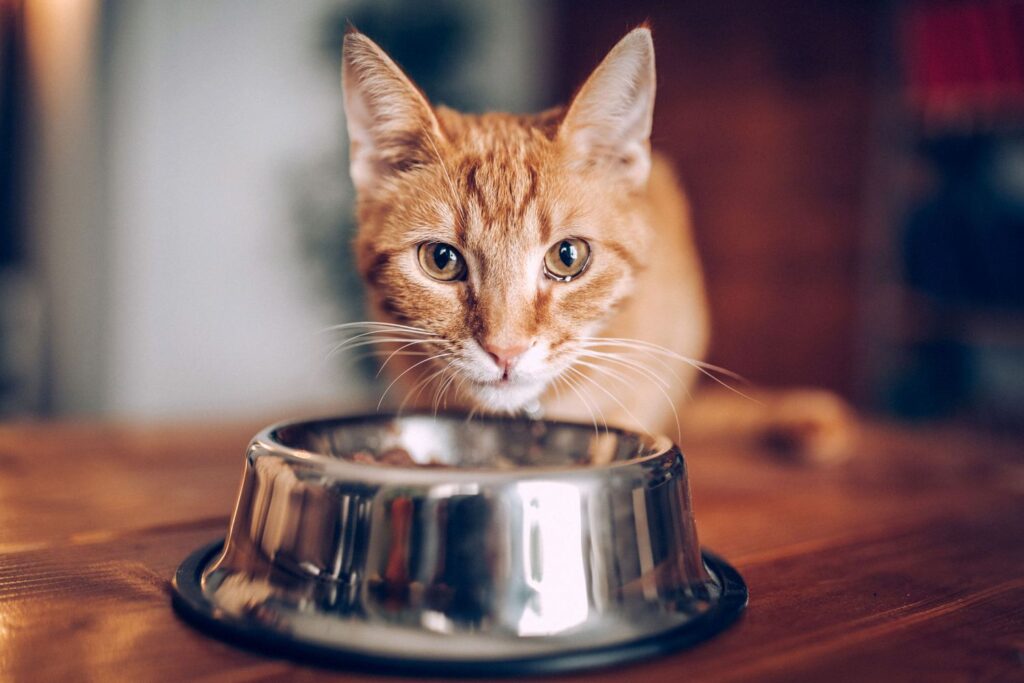
How long can a cat go without eating? This is an important question because cats should not be intentionally deprived of food. Although an adult cat may physically survive for longer than a day without eating, going without food can become dangerous much sooner than many owners realize.
A cat that suddenly refuses food may have stress, dental pain, digestive problems, an infection, or another underlying health condition. Prolonged food refusal can also lead to hepatic lipidosis, commonly called fatty liver disease, which can become life-threatening.
For kittens, the situation is even more urgent because they have smaller energy reserves and higher nutritional needs.
How Long Can a Cat Go Without Eating?
There is no single safe number of days that applies to every cat.
Veterinary guidance indicates that a mature cat’s health can be seriously affected by food avoidance in as little as 24 hours, while a kitten younger than six weeks can face a potentially life-threatening situation after only about 12 hours without food.
Some veterinary sources also warn that cats that go without adequate nutrition for around 48 hours can be at risk of developing hepatic lipidosis, particularly when they are overweight.
Therefore, the important question is not simply how many days a cat can survive without food. A cat that suddenly stops eating should be taken seriously from the beginning.
A simple guide
| Cat | Why food refusal is concerning |
|---|---|
| Newborn kitten | Extremely vulnerable because of limited energy reserves |
| Kitten under 6 weeks | Food refusal can become dangerous very quickly |
| Older kitten | Requires prompt attention if refusing several meals |
| Healthy adult cat | Appetite loss lasting around 24 hours warrants concern |
| Overweight adult cat | Particularly vulnerable to fatty liver disease |
| Sick or elderly cat | May deteriorate more quickly and needs individual veterinary advice |
These are general guidelines rather than a guarantee that a particular cat can safely go for a specific number of hours.
Why Is It Dangerous for a Cat to Stop Eating?
Cats have a unique metabolism that can make prolonged food deprivation particularly dangerous.
When a cat does not consume enough calories, its body begins mobilizing stored fat for energy. In some cats, especially overweight cats, large amounts of fat can accumulate in the liver. This condition is called feline hepatic lipidosis, or fatty liver disease.
Once hepatic lipidosis develops, the cat can become even less interested in food, creating a dangerous cycle:
Not eating → fat mobilization → fat accumulation in the liver → illness → even less appetite.
Without appropriate treatment, severe hepatic lipidosis can lead to liver failure and death.
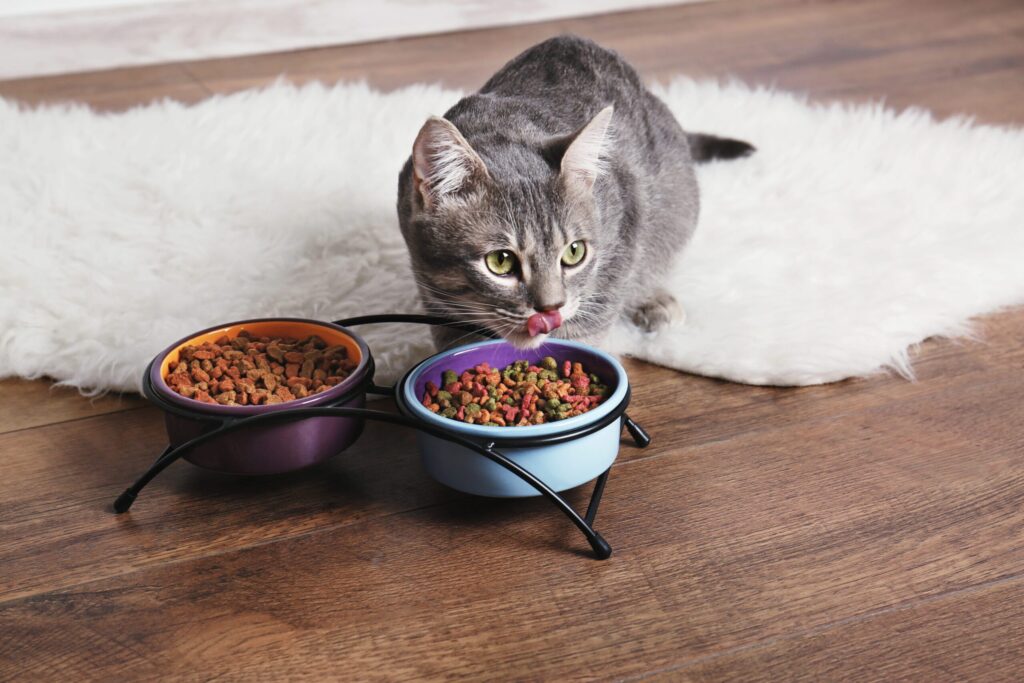
How Long Can a Kitten Go Without Eating?
Kittens cannot safely be treated like adult cats when it comes to missed meals.
Very young kittens have limited energy reserves and require frequent nutrition for growth and normal body function. Cornell’s Feline Health Center notes that food avoidance for even 12 hours can pose a lethal threat to kittens younger than six weeks.
A newborn or young kitten that is not nursing should therefore receive prompt veterinary attention rather than being left to see whether it becomes hungry later.
This is particularly important if the kitten is:
- Cold
- Weak
- Unable to suckle
- Crying continuously
- Extremely sleepy
- Losing weight
- Dehydrated
- Having diarrhea
- Vomiting
- Having difficulty breathing
A young kitten that stops eating can deteriorate rapidly.
Can a Cat Survive 24 Hours Without Eating?
A healthy adult cat may physically survive a day without food, but that does not mean 24 hours without eating is safe.
Cornell notes that sustained loss of appetite can have a severe impact on a mature cat’s health in as little as 24 hours.
If your cat suddenly stops eating, investigate the reason rather than waiting several days.
Can a Cat Survive 48 Hours Without Eating?
Two days without adequate food is a serious concern.
VCA notes that cats that do not eat for even 48 hours can develop potentially life-threatening hepatic lipidosis.
Other veterinary guidance indicates that fatty liver disease can develop after several consecutive days of anorexia, with overweight cats at greater risk.
Because individual cats differ, you should not use 48 hours as a “safe limit.” A cat that is refusing food should be evaluated before the problem reaches that point.
Why Is My Cat Not Eating?
Loss of appetite is a symptom rather than a disease. There can be many causes.
1. Dental Pain
Dental disease, mouth injuries, inflamed gums, or painful teeth can make eating uncomfortable.
A cat may approach the food bowl but walk away, chew differently, drool, or drop pieces of food.
2. Illness
Many illnesses can reduce appetite, including kidney disease, diabetes, pancreatitis, liver disease, gastrointestinal disorders, infections, and other conditions.
3. Stress
Cats can stop eating because of environmental changes.
Possible triggers include:
- Moving to a new home
- A new pet
- Changes in the household
- Boarding
- Travel
- Loss of a companion
- Loud or unfamiliar surroundings
Stress-related appetite loss is documented in cats, but medical causes should still be considered when a cat stops eating.
4. Sudden Food Changes
Some cats strongly prefer a particular food, texture, or flavor. Suddenly replacing a familiar diet with a new one may cause food refusal.
Whenever possible, introduce dietary changes gradually.
5. Nausea or Digestive Problems
A cat with nausea, vomiting, constipation, diarrhea, or abdominal discomfort may avoid food.
6. Difficulty Smelling Food
Cats depend heavily on smell when deciding whether food is appealing. Nasal congestion or respiratory illness can sometimes reduce interest in food.
7. Medication or Treatment
Some medications or medical treatments can affect appetite. If your cat stopped eating after starting a medication, contact your veterinarian rather than discontinuing prescribed medication without advice.
Signs That Your Cat May Be Seriously Ill
Loss of appetite becomes more concerning when it occurs with other symptoms.
Watch for:
- Extreme tiredness
- Hiding more than usual
- Vomiting
- Diarrhea
- Weight loss
- Excessive drooling
- Yellow gums, eyes, or skin
- Pale gums
- Difficulty breathing
- Pain
- Weakness
- Dehydration
- Changes in urination
- Difficulty walking
- Collapse
- Abnormal behavior
Yellow discoloration, known as jaundice, can occur with serious liver problems including hepatic lipidosis.
How Can I Encourage My Cat to Eat?
If your cat has only recently become reluctant to eat and is otherwise alert and comfortable, you can try making food more appealing while arranging veterinary advice when appropriate.
Offer Familiar Food
Start with food your cat normally enjoys rather than immediately offering numerous unfamiliar foods.
Try Wet Cat Food
Some cats find wet food more appealing because of its smell and texture. It can also contribute to fluid intake.
Warm the Food Slightly
Gently warming appropriate cat food can increase its aroma and may make it more attractive.
Food should never be hot.
Offer Small, Frequent Meals
Some cats may eat better when offered smaller amounts several times rather than one large meal. Veterinary nutritional guidance commonly recommends smaller, more frequent meals in cats with certain illnesses.
Feed in a Quiet Area
Place the food bowl somewhere calm and away from heavy household traffic, loud noises, and other animals that may intimidate the cat.
Keep Food and Water Clean
Wash food and water bowls regularly and provide fresh water.
Should I Force-Feed a Cat That Is Not Eating?
Do not force food into your cat’s mouth unless a veterinarian has specifically instructed you to do so.
Improper force-feeding can cause food to enter the airway and may also increase food aversion. VCA specifically warns that force-feeding can increase the risk of aspiration and may make voluntary eating more difficult.
If a cat requires nutritional support, a veterinarian may determine whether assisted feeding or a feeding tube is appropriate.
How Much Water Should a Cat Drink If It Is Not Eating?
Water is especially important when a cat has stopped eating.
A cat that is also vomiting, experiencing diarrhea, or refusing water can become dehydrated.
Signs that may suggest dehydration include:
- Dry or sticky gums
- Weakness
- Reduced activity
- Sunken-looking eyes
- Reduced urination
Do not force large quantities of water into a cat’s mouth because of the risk of aspiration. If your cat is not drinking or appears dehydrated, contact a veterinarian.
Can Cats Get Fatty Liver From Not Eating?
Yes.
Feline hepatic lipidosis, commonly called fatty liver disease, is one of the most important complications associated with prolonged food refusal.
It is particularly associated with overweight cats that suddenly stop eating. When the cat’s body mobilizes large amounts of stored fat, the liver may become overwhelmed by the amount of fat being processed.
Possible signs include:
- Severe loss of appetite
- Weight loss
- Lethargy
- Vomiting
- Drooling
- Weakness
- Jaundice
- An enlarged liver
- Difficulty holding the head normally
Fatty liver disease requires veterinary treatment and nutritional support.
Is It More Dangerous for an Overweight Cat to Stop Eating?
Yes, an overweight cat can be particularly vulnerable to hepatic lipidosis when food intake suddenly falls.
This may seem surprising because an overweight cat has more stored energy, but the problem is how the cat’s body processes stored fat during food deprivation.
For this reason, never deliberately starve a cat to make it lose weight. Weight management should be planned with appropriate nutrition and veterinary guidance.
When Should I Take My Cat to the Vet for Not Eating?
Contact a veterinarian promptly if your cat has stopped eating, particularly if the appetite loss is sudden or accompanied by other symptoms.
Seek urgent veterinary care if your cat:
- Has eaten nothing for approximately 24 hours
- Is a kitten and is refusing food
- Is elderly or has an existing medical condition
- Is overweight and suddenly stops eating
- Is vomiting repeatedly
- Has severe diarrhea
- Is extremely weak
- Has difficulty breathing
- Appears dehydrated
- Has yellow gums or eyes
- Is in obvious pain
- Cannot keep food or water down
- Collapses or becomes difficult to wake
For very young kittens, do not wait 24 hours. Their nutritional needs and energy reserves are very different from those of adult cats.
What Will a Veterinarian Do If a Cat Is Not Eating?
A veterinarian will first try to determine why the cat has stopped eating.
Depending on the situation, the examination may include:
- Physical examination
- Weight measurement
- Examination of the mouth and teeth
- Hydration assessment
- Blood tests
- Urine testing
- Imaging such as X-rays or ultrasound
- Testing for specific infections or diseases
Treatment depends on the underlying cause.
A sick cat may require fluids, medication to control nausea or pain, treatment for infection, nutritional support, or other appropriate therapy.
Cats with severe hepatic lipidosis may require carefully managed nutritional support, sometimes including a feeding tube.
How Can You Prevent Appetite Problems in Cats?
You cannot prevent every cause of appetite loss, but several habits can help.
Maintain a Consistent Diet
Avoid unnecessary sudden changes in food.
Monitor Your Cat’s Weight
Regular weight monitoring can help identify gradual weight loss before it becomes obvious.
Watch Eating Habits
Knowing how much your cat normally eats makes it easier to recognize a sudden change.
Provide Fresh Water
Keep clean water available every day.
Schedule Veterinary Checkups
Regular veterinary examinations can help identify dental and medical problems before they become advanced.
Avoid Crash Diets
If your cat needs to lose weight, use a controlled weight-management plan rather than suddenly restricting food.
How Long Can a Cat Go Without Eating but Still Drink Water?
Drinking water does not make prolonged food refusal safe.
Water can help reduce the risk of dehydration, but cats still require adequate calories and nutrients. A cat that continues drinking while refusing food may still have an underlying medical problem.
If your cat is drinking but not eating, monitor it closely and contact a veterinarian if the appetite does not return promptly or if other symptoms appear.
How Long Can a Cat Go Without Eating Before Liver Damage?
There is no exact number of hours at which every cat will develop liver damage.
The risk of hepatic lipidosis increases with prolonged inadequate food intake, and overweight cats are particularly susceptible. Some veterinary sources report that hepatic lipidosis may occur after several consecutive days of anorexia, while other veterinary guidance emphasizes that serious consequences can occur within 48 hours.
Therefore, waiting for a specific number of days is not recommended.
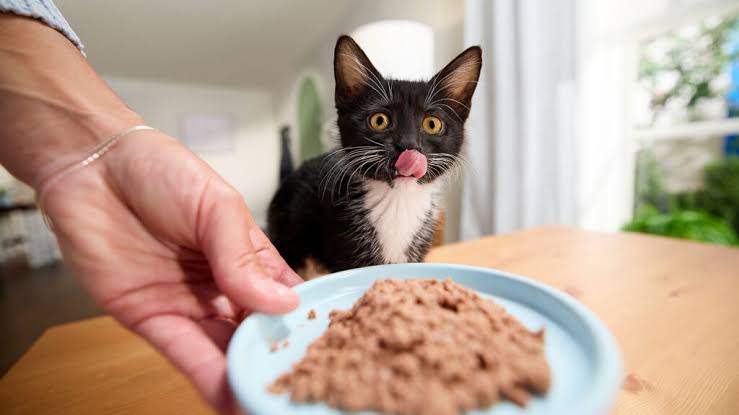
What About a Cat That Eats Very Little?
Eating less is different from eating nothing, but a significant reduction in food intake can still be important.
For example, if your cat normally eats a full portion but suddenly eats only a few bites for several meals, monitor the situation closely.
Reduced food intake may be an early sign of illness.
If your cat continues eating substantially less than normal, loses weight, or develops other symptoms, contact your veterinarian.
Frequently Asked Questions
How long can a cat go without eating?
There is no universally safe duration. Adult cats can become seriously affected by appetite loss within about 24 hours, while kittens can become dangerous much sooner.
Can a cat survive three days without food?
A cat may survive several days physically, but that does not mean it is safe. Prolonged food deprivation can result in serious complications, including hepatic lipidosis.
How long can a kitten go without eating?
Very young kittens can become critically ill rapidly. Cornell notes that food avoidance for approximately 12 hours can pose a lethal threat to kittens younger than six weeks.
Why is my cat not eating but acting normal?
Some cats initially show few obvious signs when they stop eating. Stress, food preference, dental disease, nausea, and early illness can all reduce appetite. A persistent change should be investigated.
Can stress make a cat stop eating?
Yes. Environmental stress and major changes can contribute to appetite loss, although medical causes should also be considered.
Can an overweight cat go longer without food?
No. Being overweight does not make food deprivation safer. In fact, overweight cats can have an increased risk of hepatic lipidosis when they stop eating.
Should I give my cat human food if it refuses cat food?
Avoid relying on human food as a long-term solution. If your cat suddenly refuses its normal diet, determining the reason for the appetite loss is more important than simply finding another food it will eat.
Should I force my cat to eat?
Avoid force-feeding unless directed by a veterinarian. Improper force-feeding can cause aspiration and worsen food aversion.
Conclusion
How long can a cat go without eating? The safest answer is that you should not intentionally wait for a cat to reach a particular number of days without food.
Adult cats can develop serious health consequences from relatively short periods of food refusal, while young kittens are considerably more vulnerable. Prolonged inadequate food intake can contribute to hepatic lipidosis, or fatty liver disease, especially in overweight cats.
If your cat suddenly stops eating, look for possible changes in food, stress, dental problems, vomiting, diarrhea, pain, or other signs of illness. Offer appropriate food and fresh water, but do not force-feed without veterinary guidance.
Most importantly, a cat that is not eating is a cat whose condition should be taken seriously. Early veterinary assessment can help identify the underlying cause and prevent appetite loss from developing into a more serious problem.