
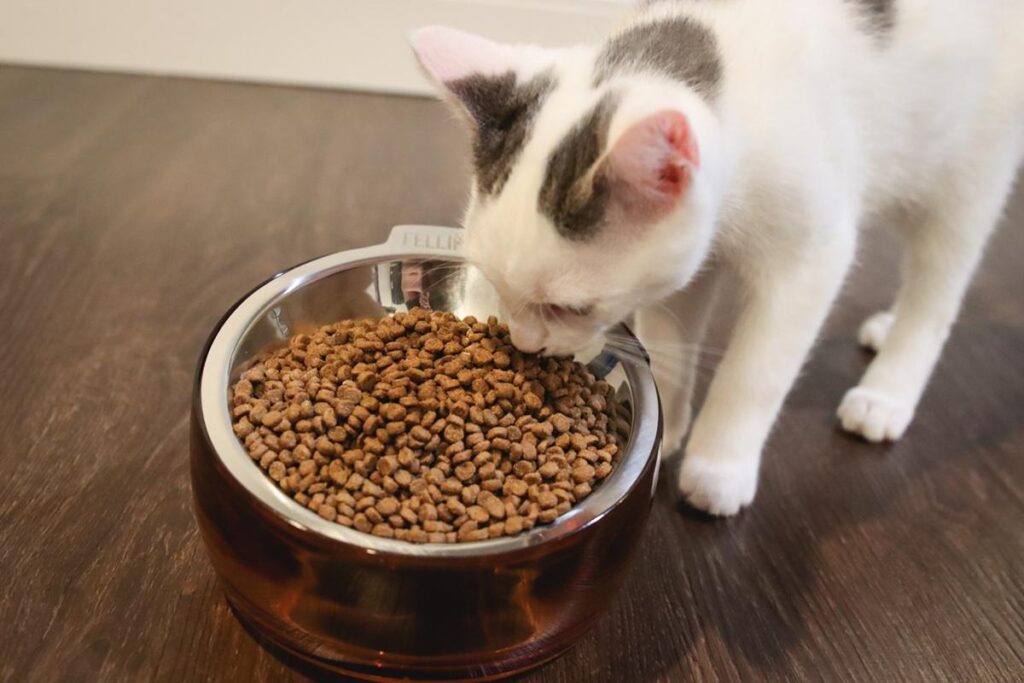
Choosing the right cat and kitten food is one of the most important responsibilities of owning a cat. Whether you have a playful young kitten, an adult indoor cat, or a senior feline, providing the right nutrition helps support healthy growth, energy, digestion, and overall well-being.
However, not all cat foods are the same. Kittens have different nutritional requirements from adult cats, and choosing an unsuitable diet can make it difficult for a growing kitten to receive everything it needs.
In this comprehensive guide, we will explain the difference between kitten and cat food, explore wet and dry food options, discuss feeding schedules, and look at popular products such as Orijen Cat and Kitten Food.
If you are searching for information about cat and kitten food, this article will help you understand what to look for when selecting food for your feline companion.
What Is Cat and Kitten Food?
Cat and kitten food refers to commercially prepared meals designed to provide cats with the nutrients they need at different stages of life.
Although kittens and adult cats belong to the same species, their nutritional requirements change as they grow.
Kitten food is formulated to support growth and development. Adult cat food is generally designed to maintain the health and body condition of mature cats.
A suitable diet should provide essential nutrients such as:
- Protein to support muscles and body tissues.
- Fats to provide energy and essential fatty acids.
- Vitamins to support normal body functions.
- Minerals such as calcium and phosphorus for bones and teeth.
- Taurine, an essential amino acid for cats.
- Water to support hydration and normal bodily functions.
Cats are obligate carnivores, meaning they have specific nutritional requirements that must be met through an appropriately formulated diet.
When choosing food, look for a product labelled as complete and balanced for your cat’s particular life stage.
Difference Between Kitten and Cat Food
One of the most common questions cat owners ask is whether kittens can eat adult cat food.
The answer depends on the food’s nutritional formulation and the kitten’s individual needs. In general, growing kittens should receive food specifically formulated for growth rather than an ordinary adult-maintenance diet.
1. Nutritional Requirements
Kittens need a carefully balanced supply of nutrients to support their developing muscles, bones, organs, and other tissues.
Kitten food is formulated to meet these growth requirements. Adult cat food is designed primarily to maintain an already-developed body.
2. Energy Requirements
Growing kittens are often very active and require sufficient calories to support both activity and development.
Kitten food is generally more energy-dense than many adult-maintenance formulas. However, the precise calorie content varies between products.
3. Protein and Essential Nutrients
Kittens require appropriate amounts and ratios of protein, amino acids, vitamins, and minerals for healthy development.
Adult cats also need these nutrients, but their requirements and dietary energy needs can differ.
4. Food Texture and Size
Some kitten foods have smaller pieces or softer textures that can be easier for young cats to eat.
However, texture alone does not determine whether a food is nutritionally appropriate. The product’s life-stage designation is important.
5. Feeding Amounts
Kittens generally need several meals throughout the day because they are growing rapidly and have relatively small stomachs.
Most healthy adult cats can be fed measured meals, commonly twice a day, although individual feeding schedules may vary.
Can Kittens Eat Adult Cat Food?
An occasional small amount of adult cat food is not necessarily an emergency for a healthy kitten.
However, adult-maintenance food should not routinely replace a properly formulated kitten diet because it may not provide the nutrient balance required for growth.
If your kitten has been eating adult food regularly, ask your veterinarian whether any dietary adjustment is needed.
Can Adult Cats Eat Kitten Food?
An adult cat eating a small amount of kitten food occasionally is generally not a cause for concern.
However, kitten food may provide more calories than an adult cat needs. Regularly feeding it to an adult cat can contribute to unwanted weight gain if portions are not appropriately controlled.
For most healthy adult cats, a complete and balanced adult-maintenance food is suitable.
When Should Kittens Start Eating Solid Food?
Kittens initially depend on their mother’s milk or an appropriate commercial kitten milk replacer.
The weaning process usually begins at approximately three to five weeks of age. During this period, kittens can gradually become accustomed to suitable solid food.
A young kitten may initially find softened kitten food easier to eat.
By around eight weeks, many kittens are fully weaned and eating solid food, although individual development can vary.
Never give a young kitten ordinary cow’s milk as a substitute for its mother’s milk or kitten milk replacer. Cow’s milk can cause digestive upset.
Very young orphaned kittens need a feeding plan appropriate to their age and condition, ideally developed with veterinary guidance.
How Long Should a Kitten Eat Kitten Food?
Most kittens should continue eating a complete and balanced growth formula until approximately 12 months of age.
However, the appropriate transition age can vary depending on the individual cat, its breed, growth pattern, and veterinary advice.
Some large breeds, including Maine Coons, may have a longer growth period and may benefit from an extended growth-feeding plan.
Check the food packaging and consult your veterinarian if you are unsure when your kitten should transition to adult food.
Types of Cat and Kitten Food
There are several types of cat and kitten food available. Understanding their differences can help you select a diet that suits your cat’s nutritional needs and eating habits.
1. Dry Cat and Kitten Food
Dry food, sometimes called kibble, is a popular option because it is convenient to measure, store, and serve.
Potential advantages include:
- Convenient storage and serving.
- Easy portion measurement.
- A relatively long shelf life when stored correctly.
- Availability in different life-stage formulations.
However, dry food contains relatively little moisture compared with wet food. Cats eating dry food should always have access to fresh drinking water.
Dry food should also be selected according to the cat’s age and nutritional requirements.
2. Wet Cat and Kitten Food
Wet food is commonly sold in cans, trays, or pouches.
It generally contains more moisture than dry food, which can help increase a cat’s overall water intake.
Potential advantages include:
- A higher moisture content.
- A soft texture that some cats find appealing.
- Different flavours and textures.
- Complete and balanced options for kittens and adult cats.
Not every wet food is a complete diet. Some products are intended only as treats, toppers, or supplements.
Always check the label before using wet food as your cat’s main source of nutrition.
3. Mixed Feeding
Mixed feeding means offering both wet and dry food as part of a cat’s daily diet.
Some owners use this approach to provide variety in texture while incorporating the convenience of dry food and the moisture content of wet food.
When combining foods, remember that the calories from both products count toward the cat’s daily intake.
Choose suitable complete foods and adjust portions to avoid overfeeding.
4. Veterinary Diets
Some cats need specially formulated diets because of particular medical conditions.
Examples may include diets designed for certain urinary, digestive, or kidney-related conditions.
These diets should be selected with veterinary guidance. A veterinary diet is not automatically necessary for every cat.
5. Food for Different Life Stages
Cat food may be formulated for:
- Growth: for kittens and developing cats.
- Adult maintenance: for mature cats.
- Senior cats: products intended to address the nutritional needs of older cats.
- Gestation and lactation: diets suitable for pregnant or nursing cats.
- All life stages: products formulated to meet the nutritional requirements of multiple life stages.
The label is important because not every food marketed for cats is appropriate for every age.
Orijen Cat and Kitten Food: What Should Cat Owners Know?
Orijen Cat and Kitten Food is a product name that cat owners may encounter when researching foods for kittens and adult cats.
When considering this or any other cat food, it is important to examine the specific product rather than relying only on its brand name.
Look at the following details:
1. Life-Stage Suitability
Check whether the particular formula is labelled as complete and balanced for growth, adult maintenance, or all life stages.
A food suitable for kittens and adult cats should clearly indicate that it meets the nutritional requirements for those stages.
2. Ingredient Information
Read the ingredient list to understand the protein sources, fats, carbohydrates, and other components included in the formula.
Remember that the ingredient list alone does not establish whether a food is nutritionally complete or appropriate for an individual cat.
3. Nutritional Adequacy
Look for the nutritional adequacy statement and confirm which life stage the product is designed to support.
This is particularly important if you are considering feeding the same product to kittens and adult cats.
4. Feeding Instructions
Check the recommended feeding amounts and calorie information on the packaging.
The amount required can vary according to age, body weight, activity, reproductive status, and other individual factors.
5. Individual Tolerance
Even a nutritionally complete food may not suit every cat equally well.
When introducing a new formula, monitor your cat’s appetite, stool consistency, body condition, and general response.
If your cat develops persistent digestive problems or other concerning symptoms, consult a veterinarian.
Important: Product formulations and availability can change. Always check the current packaging and manufacturer’s information for the exact Orijen product you are considering.
What Is the Best Food for Kittens?
There is no single food that is automatically the best choice for every kitten.
A suitable kitten food should meet the nutritional needs of growth and be appropriate for the kitten’s age and individual circumstances.
When choosing a kitten food, consider the following:
- Complete nutrition: Look for a complete and balanced growth formula.
- Life-stage suitability: Confirm that the food is intended for kittens.
- Calorie content: Make sure the feeding amount can meet your kitten’s energy needs.
- Texture: Choose a texture your kitten can comfortably eat.
- Digestive tolerance: Monitor how your kitten responds to the food.
- Availability: Consider whether you can obtain the food consistently.
- Veterinary advice: Seek professional guidance if your kitten has a medical condition or special dietary needs.
A more expensive product is not necessarily the most appropriate choice for every kitten. Nutritional adequacy, individual needs, and consistent feeding matter.
What Is the Best Food for Adult Cats?
Adult cats generally need a complete and balanced diet formulated for adult maintenance.
When choosing food for an adult cat, consider:
Indoor Cats
Indoor cats may have lower activity levels than cats that spend a lot of time outdoors.
Portion control can therefore be particularly important for maintaining a healthy body condition.
Active Cats
Cats that are very active may have different energy requirements from less active cats.
Feeding amounts should reflect the individual cat’s activity level and body condition.
Sterilised or Neutered Cats
After sterilisation or neutering, some cats may require adjustments to their calorie intake.
Monitor body weight and ask your veterinarian whether a particular food or feeding plan would be suitable.
Senior Cats
Older cats can have changing nutritional needs.
Some senior cats maintain good health on a suitable adult-maintenance diet, while others may benefit from a different feeding plan based on their condition.
Age alone does not determine which food an individual senior cat needs.
How Much Food Should You Feed a Kitten?
The amount of food a kitten needs depends on its age, weight, growth rate, activity, and the calorie content of its food.
The feeding guide printed on the packaging is a useful starting point.
However, it should not be treated as an exact amount for every kitten.
General Kitten Feeding Schedule
The following is a general guide rather than a strict rule:
| Kitten’s age | General feeding approach |
|---|---|
| Birth to around 4 weeks | Mother’s milk or an appropriate kitten milk replacer, depending on circumstances |
| Around 3–5 weeks | Gradual introduction of suitable solid food during weaning |
| Around 6–12 weeks | Several small meals throughout the day |
| Around 3–6 months | Multiple measured meals, adjusted for growth and appetite |
| Around 6–12 months | Continue an appropriate growth diet and adjust feeding frequency and portions as needed |
| Around 12 months | Consider transitioning to adult food, depending on the cat and veterinary advice |
Kittens should be monitored regularly to make sure they are growing appropriately.
If a kitten is not eating, is losing weight, or is failing to grow as expected, seek veterinary advice.
How Much Food Should an Adult Cat Eat?
There is no universal daily portion that is correct for every adult cat.
A cat’s calorie requirements depend on several factors, including:
- Body weight and body condition.
- Age.
- Activity level.
- Whether the cat is sterilised.
- Indoor or outdoor lifestyle.
- The calorie density of the food.
- Any medical conditions.
Start with the feeding instructions on the food packaging and adjust portions according to your cat’s body condition and veterinary recommendations.
Measuring food rather than repeatedly filling a bowl can make it easier to monitor daily intake.
If you feed both wet and dry food, include the calories from both when calculating the daily amount.
How Often Should You Feed Your Cat?
The appropriate feeding frequency depends on age, health, food type, and household routine.
Feeding Kittens
Young kittens generally need more frequent meals than adult cats.
Several small meals throughout the day can help them receive sufficient nutrition while accommodating their small stomachs.
Feeding Adult Cats
Many healthy adult cats do well with two measured meals a day.
Some cats may benefit from more frequent smaller meals, particularly when this better suits their feeding behaviour or individual needs.
Feeding Senior Cats
Senior cats may continue with a familiar schedule, but changes in appetite, weight, or medical condition may require adjustments.
A veterinarian can help establish a suitable feeding routine.
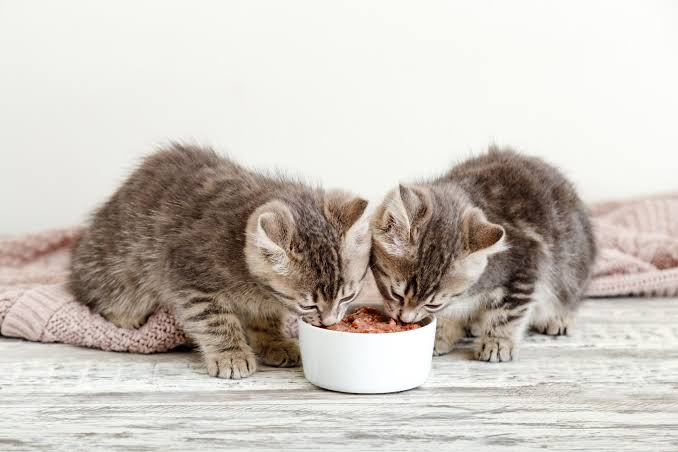
Should Cats Eat Wet Food or Dry Food?
Both wet and dry food can be suitable when they provide complete and balanced nutrition for the cat’s life stage.
The choice depends on the individual cat and the nutritional characteristics of the particular products.
| Feature | Wet food | Dry food |
|---|---|---|
| Moisture | Generally higher | Generally lower |
| Storage | Often requires refrigeration after opening | Usually easier to store when sealed |
| Texture | Soft or moist | Crunchy or firm |
| Portion control | Depends on packaging and serving method | Often convenient to measure |
| Nutritional suitability | Depends on the formula | Depends on the formula |
Some cats do well on wet food, some on dry food, and others on a combination.
The important point is to choose a complete and balanced diet and provide fresh water at all times.
Can Cats Eat Homemade Food?
Homemade food may seem like an appealing option because owners can choose the ingredients themselves.
However, creating a nutritionally complete diet for a cat is more complicated than simply combining meat, fish, vegetables, or other household ingredients.
Cats require specific nutrients in appropriate amounts and ratios. An improperly formulated homemade diet can result in nutritional deficiencies or excesses.
If you want to feed your cat a homemade diet, consult a veterinarian with appropriate nutrition expertise to develop a balanced recipe.
Do not assume that a meal suitable for humans will meet a cat’s nutritional requirements.
Can Cats Eat Raw Food?
Raw diets are sometimes promoted as a natural feeding option.
However, raw animal products can carry harmful bacteria or parasites, and an improperly formulated raw diet can fail to provide balanced nutrition.
Veterinary organisations have raised concerns about the potential health risks associated with raw feeding.
For most cat owners, a commercially prepared, complete and balanced diet is a practical way to meet nutritional requirements while reducing the risks associated with preparing raw animal foods.
Discuss any proposed raw diet with your veterinarian before making a change.
Foods Cats Should Avoid
Some human foods can be harmful to cats.
Keep the following away from your cat:
- Onions and garlic.
- Chocolate.
- Alcohol.
- Caffeinated drinks and products.
- Grapes and raisins, which should not be offered to cats because their safety is not established.
- Raw dough containing yeast.
- Bones that may cause choking or injury.
- Food containing ingredients known to be toxic to cats.
Also avoid giving cats human medications unless specifically directed by a veterinarian.
If your cat eats something potentially toxic, contact a veterinarian promptly. Do not wait for symptoms to appear.
Why Is My Cat Not Eating Its Food?
A cat may refuse food for several reasons.
Possible explanations include:
- A sudden change in food.
- An unfamiliar flavour or texture.
- Stress or changes in the home.
- An uncomfortable feeding area.
- Dental or mouth discomfort.
- Digestive problems.
- An underlying medical condition.
If you are changing food, introduce the new diet gradually when possible.
However, a cat that stops eating should not simply be left without attention. Cats can develop serious health problems when they do not eat enough.
Contact a veterinarian promptly if your cat refuses food, particularly if it is a kitten, appears unwell, or has other symptoms.
How to Change Your Cat’s Food Safely
Suddenly changing a cat’s food can sometimes cause digestive upset or food refusal.
A gradual transition over approximately seven to ten days is commonly recommended for cats that tolerate the process normally.
One possible transition plan is:
| Transition period | Previous food | New food |
|---|---|---|
| Days 1–2 | 75% | 25% |
| Days 3–4 | 50% | 50% |
| Days 5–6 | 25% | 75% |
| Days 7–10 | Gradually reduce | Gradually increase to 100% |
This is a general example, not a requirement for every cat.
Some cats need a slower transition, and cats with medical conditions may need a veterinarian-directed feeding plan.
If vomiting, diarrhoea, food refusal, or other concerning symptoms develop, contact your veterinarian.
How to Store Cat and Kitten Food
Proper storage helps maintain food quality and reduce contamination.
Dry Food
- Keep dry food in a cool, dry place.
- Close the packaging securely after opening.
- Follow the manufacturer’s storage instructions.
- Avoid storing food in a damp or excessively hot environment.
- Check the expiry date and discard food that has become contaminated or spoiled.
Wet Food
- Follow the manufacturer’s instructions after opening.
- Refrigerate unused portions when required.
- Keep opened food in a suitable covered container.
- Do not leave wet food sitting out for extended periods.
- Discard food that has spoiled or been contaminated.
Always provide clean food and water bowls.
How to Read a Cat Food Label
Understanding the label helps you determine whether a product is suitable for your cat.
1. Check the Intended Life Stage
Look for wording such as kitten, growth, adult maintenance, or all life stages.
This helps identify which cats the product is intended to feed.
2. Look for Nutritional Adequacy
Check whether the product is labelled as complete and balanced for its intended life stage.
A food labelled for intermittent or supplemental feeding should not automatically be treated as a complete daily diet.
3. Review the Feeding Instructions
Look at the recommended amount and adjust it according to your cat’s needs.
4. Check Calorie Information
The calorie content can help you compare foods and calculate appropriate portions.
5. Review Ingredients and Nutritional Information
Read the ingredient list and guaranteed analysis to understand the food’s composition.
Remember that no single ingredient or marketing phrase can establish the overall nutritional suitability of a food.

Frequently Asked Questions About Cat and Kitten Food
1. What is the main difference between kitten food and cat food?
Kitten food is formulated to support growth and development, while adult cat food is generally designed for maintenance. Their nutrient requirements and recommended feeding amounts can differ.
2. Can I feed my kitten the same food as my adult cat?
Only if the food is appropriately formulated for the kitten’s growth stage, such as a suitable all-life-stages formula. Ordinary adult-maintenance food should not routinely replace kitten food.
3. At what age should I stop feeding kitten food?
Many cats transition to adult food at around 12 months, but the timing can vary. Ask your veterinarian if your cat is a large breed or has particular nutritional needs.
4. Is wet food better than dry food for kittens?
Neither type is automatically better for every kitten. Choose a complete and balanced food formulated for growth. Wet food contains more moisture, while dry food may be more convenient to measure and store.
5. Can adult cats eat Orijen Cat and Kitten Food?
Check the exact product’s current nutritional adequacy statement and feeding instructions. If it is formulated for all life stages, it may be suitable for both kittens and adult cats when fed appropriately. Individual needs still matter.
6. How many times a day should I feed my kitten?
Young kittens generally need several small meals throughout the day. The appropriate frequency changes as the kitten grows.
7. How many times a day should I feed an adult cat?
Many healthy adult cats do well with two measured meals daily, although some benefit from a different schedule.
8. Is grain-free food necessary for cats?
Not every cat needs a grain-free diet. The overall nutritional formulation and suitability for the individual cat matter more than a single marketing feature. Ask your veterinarian if your cat has a suspected food allergy or another dietary concern.
9. Can cats drink milk?
Ordinary cow’s milk is not recommended as a regular drink for cats because many cats have difficulty digesting lactose. Fresh water should be their main source of drinking fluid.
10. What should I do if my kitten refuses food?
Check for possible changes in food or feeding conditions, but do not ignore persistent refusal. Kittens can become unwell quickly when they do not receive adequate nutrition. Contact a veterinarian promptly, especially if the kitten is very young or shows other symptoms.
11. Can I give my cat treats every day?
Treats can be offered in moderation, but they should not replace a complete and balanced diet. Follow the product instructions and account for treats when managing daily calorie intake.
12. Does an indoor cat need a special diet?
Some indoor cats may benefit from a diet and portion plan suited to their activity level and body condition. However, not every indoor cat requires a special formula.
13. How do I know if my cat is getting enough food?
Monitor your cat’s weight, body condition, appetite, energy, and general health. Your veterinarian can help determine whether the amount and type of food are appropriate.
14. Should I change my cat’s food if it is gaining weight?
Unwanted weight gain may require changes to calorie intake, portion size, activity, or the feeding plan. Consult your veterinarian before making major dietary changes, especially if the weight gain is sudden or unexplained.
15. Is expensive cat food always better?
Price alone does not determine whether a food meets a cat’s nutritional needs. Check the nutritional adequacy statement, life-stage suitability, calorie content, and your cat’s individual requirements.
Conclusion on Cat and Kitten Food
Choosing suitable cat and kitten food is an important part of responsible cat ownership.
Kittens need a diet formulated for growth, while most mature cats benefit from a complete and balanced adult-maintenance formula. Wet food, dry food, and mixed feeding can all be options when the food meets the cat’s nutritional requirements.
Before choosing a product, read the label carefully, follow feeding instructions, provide fresh water, and monitor your cat’s body condition.
If you are unsure which food is appropriate for your kitten or adult cat, your veterinarian can help you develop a feeding plan based on its age, health, activity level, and individual needs.
At Kitty verse Store, we believe that informed cat owners are better prepared to provide their feline companions with appropriate care. Understanding cat and kitten nutrition is a valuable first step toward supporting a healthy and comfortable life for your pet.
Why Is My Kitten Not Eating?
There are many possible reasons a kitten may lose its appetite. Some are temporary and relatively minor, while others require prompt veterinary attention.
1. Your Kitten Is Adjusting to a New Home
A recently adopted kitten may eat less during the first few days because of stress. Moving away from its mother or littermates, traveling, unfamiliar smells, new people, and a different environment can all affect appetite.
Give your kitten a quiet, comfortable feeding area where it can eat without being disturbed.
2. You Changed Its Food Too Quickly
Kittens can be sensitive to sudden dietary changes. If you recently switched brands, flavors, textures, or types of food, your kitten may refuse the new food.
Instead of changing food suddenly, gradually introduce the new diet by mixing increasing amounts of the new food with the previous food over several days.
3. Your Kitten Does Not Like the Food
Just like adult cats, kittens can develop preferences for particular flavors and textures. Some prefer wet food, while others prefer dry kibble.
If your kitten is otherwise active and healthy but consistently refuses one particular food, the food itself may be the problem.
Choose a complete and balanced food specifically formulated for kittens rather than relying on adult cat food.
4. The Food Is Too Cold or Has Lost Its Smell
Cats rely heavily on their sense of smell when deciding whether to eat. Refrigerated wet food may be less appealing because it has a weaker aroma when cold.
Allow refrigerated food to warm slightly before serving. You can also add a small amount of warm water to appropriate kitten food to increase moisture and aroma.
Do not serve food that has been left out long enough to spoil.
5. Your Kitten Is Having Trouble Chewing
Young kittens are still developing their ability to eat solid food. A kitten that is transitioning from milk to solid food may have difficulty chewing hard kibble.
For very young kittens beginning the weaning process, dry kitten food can be softened with warm water or appropriate kitten milk replacer. Gradually reduce the added liquid as the kitten becomes more comfortable eating solid food.
6. Teething May Be Making Eating Uncomfortable
Growing kittens go through a teething period during which their mouths may feel uncomfortable. Hard food may sometimes be less appealing during this period.
If your kitten seems interested in food but struggles to chew, consider discussing an appropriate softer food with your veterinarian.
7. Dental or Mouth Problems
Mouth pain can make eating difficult. Possible problems include inflamed gums, injuries, damaged teeth, oral infections, or other dental conditions.
Watch for signs such as:
- Drooling
- Bad breath
- Pawing at the mouth
- Difficulty chewing
- Dropping food
- Crying while eating
- Approaching food but walking away
These signs warrant veterinary attention.
8. Stress or Fear
Stress can significantly affect a kitten’s appetite. Loud noises, other pets, unfamiliar visitors, moving furniture, or an unsuitable feeding location may make a kitten uncomfortable.
Try feeding your kitten in a quiet area away from litter boxes, busy walkways, and aggressive or intimidating animals.
9. Your Kitten May Have a Digestive Problem
Loss of appetite can occur alongside digestive problems such as vomiting, diarrhea, constipation, or stomach discomfort.
A kitten that refuses food and also has repeated vomiting, significant diarrhea, weakness, or other concerning symptoms should be assessed by a veterinarian promptly.
10. Parasites
Intestinal parasites are relatively common in kittens and can affect appetite and overall health. Some kittens may also have diarrhea, vomiting, a swollen-looking abdomen, poor growth, or reduced energy.
Do not give your kitten a deworming medication simply because it is not eating. The appropriate treatment depends on the kitten’s age, weight, parasite risk, and veterinary diagnosis.
11. Illness or Infection
A reduced appetite can be an early sign of illness. Respiratory infections, fever, gastrointestinal problems, and other conditions can cause kittens to stop eating.
A kitten that is sick may also become unusually sleepy, hide, lose weight, vomit, develop diarrhea, sneeze, have eye or nose discharge, or behave differently.
Because kittens are small and can deteriorate more quickly than healthy adult cats, persistent loss of appetite should not be ignored.
What Should I Do If My Kitten Is Not Eating?
First, determine whether your kitten is refusing all food or only a particular food.
You can try the following safe steps:
Provide Fresh Kitten Food
Offer fresh, complete and balanced kitten food appropriate for your kitten’s age. If your kitten normally eats wet food, offering its familiar food may be better than introducing several new foods at once.
Keep Fresh Water Available
Make sure clean, fresh water is available at all times. Dehydration can become dangerous, particularly when poor appetite occurs together with vomiting or diarrhea.
Create a Calm Feeding Environment
Place the food bowl somewhere quiet and comfortable. Keep it away from the litter box and areas with heavy household traffic.
Try a Different Texture
If your kitten normally eats dry food but suddenly refuses it, an appropriate wet kitten food may be more appealing. Likewise, if your kitten refuses one texture, another kitten-appropriate texture may work better.
Warm Wet Food Slightly
Slightly warming wet food can make its aroma stronger and potentially make it more attractive. Food should be comfortably warm, never hot.
Avoid Constantly Changing Foods
Offering many different foods throughout the day can make it difficult to determine what your kitten will tolerate. Make changes gradually whenever possible.
Can I Force My Kitten to Eat?
Avoid forcing food into your kitten’s mouth unless a veterinarian has specifically instructed you to do so.
Force-feeding can cause stress and may create a risk of food entering the airway if done incorrectly. If your kitten is refusing food, especially if it is very young or showing other symptoms of illness, contact a veterinarian for advice.
When Should I Worry About a Kitten Not Eating?
The younger and smaller the kitten, the more seriously a prolonged lack of food should be taken.
Contact a veterinarian promptly if your kitten:
- Refuses food persistently
- Is very weak or unusually sleepy
- Has repeated vomiting
- Has significant or persistent diarrhea
- Is losing weight
- Has difficulty breathing
- Has pale or abnormal-looking gums
- Has severe mouth pain
- Cannot keep food or water down
- Shows signs of dehydration
- Has a swollen or painful abdomen
- Suddenly stops eating and behaves unusually
Very young kittens require particular caution. They have limited energy reserves and can become unwell more quickly than older cats. If a young kitten is refusing food, it is safer to seek veterinary guidance rather than waiting for the problem to resolve on its own.
How Long Can a Kitten Go Without Eating?
There is no single safe number of hours that applies to every kitten. Age, size, health status, hydration, and the reason for refusing food all matter.
A healthy older kitten that skips one meal is different from a very young kitten that refuses several consecutive feeds.
If your kitten is young, appears sick, or is refusing multiple meals, contact a veterinarian rather than relying on a specific waiting period.
Why Is My Kitten Eating Less but Still Drinking Water?
Drinking water does not necessarily mean that everything is normal.
A kitten may continue drinking while experiencing dental pain, nausea, an infection, parasites, stress, or another health problem.
Monitor your kitten closely for changes in energy, stool, vomiting, weight, urination, and general behavior. Persistent appetite loss should be discussed with a veterinarian.
Why Is My Kitten Not Eating Dry Food?
If your kitten refuses dry food but eats wet food, the issue may be related to texture, preference, teething, or mouth discomfort.
For kittens that are still learning to eat solid food, dry kibble may be easier to accept when softened with warm water. As the kitten develops, you can gradually introduce firmer food.
If a kitten suddenly stops eating dry food after previously eating it normally, particularly if it appears hungry but cannot chew, have its mouth and teeth checked by a veterinarian.
Why Is My Kitten Not Eating Wet Food?
A kitten may reject wet food because it dislikes the flavor, texture, temperature, or smell. It may also be accustomed to dry food.
Try offering the kitten’s familiar food first and introduce alternatives gradually. Avoid repeatedly changing diets if your kitten is also experiencing vomiting or diarrhea.
If your kitten refuses all food rather than simply one type of food, consider illness or another underlying problem and seek veterinary advice.
How Can I Encourage a Kitten to Eat?
You can make mealtimes more comfortable by:
- Serving fresh kitten food.
- Feeding in a quiet location.
- Keeping food and water bowls clean.
- Offering an appropriate wet food if your kitten normally prefers it.
- Slightly warming wet food.
- Softening dry food for kittens that are still learning to eat kibble.
- Maintaining a predictable feeding routine.
- Avoiding sudden dietary changes.
- Monitoring your kitten’s weight and behavior.
Never give human foods, medications, appetite stimulants, or supplements to a kitten without appropriate veterinary guidance.
What Food Is Best for a Kitten?
Growing kittens need food formulated to meet their nutritional requirements during development. Look for a commercially prepared kitten food that is labeled as complete and balanced for the appropriate life stage.
A good kitten-feeding plan should provide appropriate amounts of protein, fat, vitamins, minerals, and other nutrients needed for growth.
The amount your kitten needs depends on factors such as age, body size, activity level, food type, and individual health.
Kitten Feeding and Appetite: What to Remember
A kitten not eating does not always mean something is seriously wrong. Stress, food changes, food preferences, teething, and an unsuitable feeding environment can all affect appetite.
However, appetite loss can also be a sign of illness. Do not ignore persistent food refusal, particularly in very young kittens or kittens showing other symptoms.
If you are unsure why your kitten has stopped eating, a veterinarian can help determine whether the problem is behavioral, dietary, dental, gastrointestinal, infectious, or related to another health condition.