
Bengal kitten
Showing all 12 results
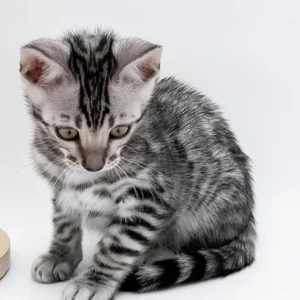
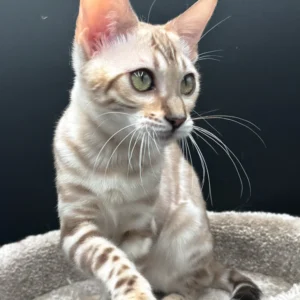
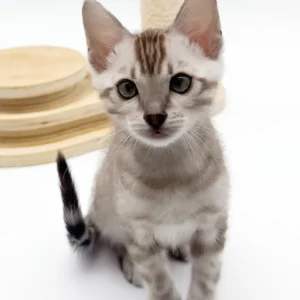
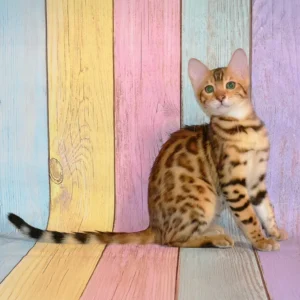

Bengal Kitten Buy: What to Consider Before Choosing Your Kitten
If you are searching for a Bengal Kitten Buy opportunity, it is important to take time to find a kitten that suits your home, lifestyle, and expectations. Bengal kittens are known for their striking coat patterns, athletic nature, intelligence, and playful personalities.
Before making a decision, learn as much as possible about the kitten’s age, health history, temperament, and care requirements. Responsible sellers and breeders should be able to provide clear information about the kitten and answer questions you may have.
Choosing the Right Bengal Kitten
A Bengal kitten can be an energetic and affectionate companion, but this breed usually needs regular interaction, play, and mental stimulation. Consider your living environment and the amount of time you can dedicate to your new pet.
When exploring options for a Bengal Kitten Buy, look for clear information about:
- The kitten’s age and availability
- Health and veterinary records
- Vaccination status
- Personality and temperament
- Parent information, when available
- Feeding and care recommendations
Taking the time to research your options can help you choose a Bengal kitten that is a good match for your family and home.
Buy Bengal Kittens Online With Confidence
Buying a Bengal kitten online can make it easier to explore available kittens and compare information before making a decision. Always communicate clearly with the seller, ask questions, and make sure you understand the purchase, payment, delivery, or collection arrangements.
A Bengal kitten can become a wonderful long-term companion. By choosing carefully and preparing your home before your new kitten arrives, you can give your Bengal kitten the best possible start in its new environment.
What Is a Bengal Kitten?
The Bengal is a domestic cat breed recognized for its distinctive spotted or marbled coat and athletic appearance. The breed was developed from domestic cats and Asian leopard cat ancestry, with modern Bengals bred as domestic companion animals.
Bengal kittens are known for their:
- Spotted or marbled coats
- Large, expressive eyes
- Athletic bodies
- Strong legs and paws
- Distinctive facial markings
- High energy levels
- Intelligence and curiosity
- Playful personalities
Although their appearance can resemble that of a wild cat, a properly bred Bengal is a domestic companion cat.
Bengal Kitten Personality
Bengal kittens are generally active, curious, intelligent, and playful. They often enjoy interacting with their owners and exploring their surroundings.
Unlike some quieter cat breeds, Bengals may require considerable daily stimulation. They can become bored when they have little opportunity to play, climb, investigate, or interact with people.
A Bengal kitten may enjoy:
- Interactive games
- Climbing
- Chasing toys
- Puzzle feeders
- Exploring new environments
- Learning simple behaviors
- Spending time with its owners
Individual temperament varies, so prospective owners should consider the kitten’s personality rather than choosing solely on appearance.
Are Bengal Kittens Good Family Pets?
A Bengal kitten can make an excellent companion for the right household.
Families should understand that Bengals are typically more active than many traditional companion cats. They may be particularly suitable for owners who have time to provide regular play, enrichment, interaction, and a stimulating environment.
When introducing a Bengal kitten to children or other pets, interactions should be supervised and respectful. The kitten should always have a safe place where it can retreat when it wants quiet time.
Bengal Kitten Coat Colors and Patterns
One of the most recognizable characteristics of the Bengal is its beautiful coat.
Bengal cats can display different coat patterns, including spotted and marbled patterns.
Spotted Bengal Kittens
Spotted Bengals have individual spots or rosettes distributed across the body. Rosettes can vary in shape, size, and color.
Some Bengal kittens have highly contrasted markings that create a dramatic leopard-like appearance.
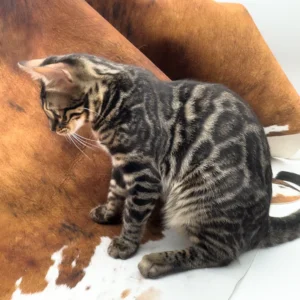
Marbled Bengal Kittens
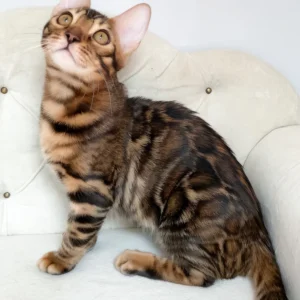
Marbled Bengals have flowing, irregular markings rather than individual spots. Their patterns can create beautiful swirls and horizontal designs across the body.
Brown Bengal Kittens
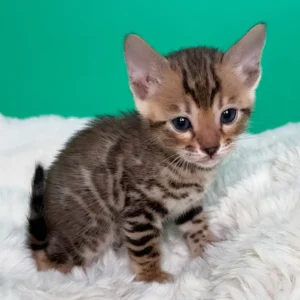
Brown is one of the most commonly recognized Bengal color categories. These kittens can have warm brown, tan, gold, or reddish backgrounds combined with darker markings.
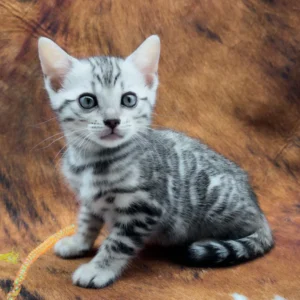
Silver Bengal Kittens
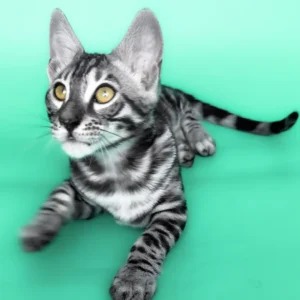
Silver Bengals have a pale silver or gray background with contrasting darker markings. The contrast can make the spots or marbling particularly noticeable.
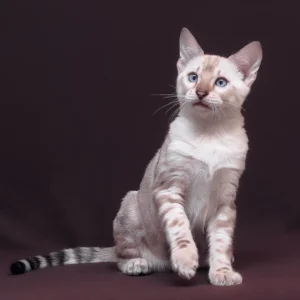
Snow Bengal Kittens
Snow Bengals have lighter coats and can occur in different genetic varieties. Their appearance ranges from very pale cream or ivory backgrounds to more visibly marked coats.
Because coat genetics are complex, prospective buyers should ask the breeder about the kitten’s color genetics and parentage rather than relying only on photographs.
Bengal Kitten Eyes
Bengal kittens can have striking eye colors that vary depending on their genetic color and pattern.
Depending on the individual cat, eyes may appear in shades such as:
- Green
- Gold
- Hazel
- Blue in certain snow varieties
Eye color can develop and change as a kitten matures, so a young kitten’s eye color may not represent its final adult appearance.
Bengal Kitten Size and Growth
Bengals are medium-to-large, muscular domestic cats. Their adult size varies according to genetics, sex, nutrition, and individual development.
A Bengal kitten should grow gradually while receiving appropriate nutrition and veterinary care.
Rather than focusing only on a kitten’s weight, owners should monitor overall development, body condition, energy, appetite, and growth with guidance from a veterinarian.
Bengal Kitten Food and Nutrition
Proper nutrition is essential during the kitten’s growth period.
Choose a complete and balanced kitten diet appropriate for growth and follow feeding recommendations based on the kitten’s age, size, and activity level.
Fresh drinking water should always be available.
When bringing a Bengal kitten home, ask the breeder what food the kitten has already been eating. If you plan to change the diet, introduce the new food gradually.
Avoid giving a kitten an unbalanced homemade diet unless it has been specifically formulated with professional veterinary nutritional guidance.
Bengal Kitten Grooming
Despite their distinctive appearance, Bengal kittens generally have relatively short coats that are straightforward to maintain.
Regular brushing can help:
- Remove loose hair
- Reduce shedding
- Keep the coat clean
- Help kittens become accustomed to handling
Start grooming gently while the kitten is young. Short, positive sessions can help make brushing a normal part of the kitten’s routine.
Regular nail care and dental care should also form part of responsible ownership.
Bengal Kitten Exercise and Enrichment
Exercise is especially important for Bengal kittens.
Their intelligence and energy mean that simply providing food and a sleeping area may not be enough to keep them mentally stimulated.
Consider providing:
- Cat trees
- Scratching posts
- Interactive toys
- Puzzle feeders
- Climbing areas
- Wand toys
- Safe tunnels
- Window perches
- Daily interactive play
Rotate toys periodically to maintain interest.
Do Bengal Kittens Like Water?
Many Bengal cats have a reputation for showing greater interest in water than some other domestic cats. An individual Bengal may enjoy playing with dripping water, investigating a running tap, or watching water move.
However, not every Bengal kitten will enjoy water.
Never force a kitten into water. If your cat enjoys supervised water play, make sure the environment is safe and the kitten cannot become chilled or accidentally fall into a dangerous body of water.
Bengal Kitten Socialization
Socialization is an important part of raising a confident companion cat.
A responsible breeder should expose kittens gradually to normal household experiences while providing a clean and safe environment.
Age-appropriate socialization may include:
- Gentle handling
- Household sounds
- Grooming
- Nail handling
- Toys
- Different people
- Appropriate interaction with other animals
Positive experiences during kittenhood can help prepare a Bengal for life in a family home.
Bengal Kitten Health
Like all cats, Bengal kittens require appropriate preventive veterinary care.
A veterinarian can help with:
- Physical examinations
- Vaccinations
- Parasite prevention
- Nutrition
- Dental care
- Weight monitoring
- Reproductive health
- Microchipping and identification
Bengal breeders should also be prepared to discuss health screening relevant to their breeding program.
Prospective owners should ask for available veterinary records and information about the kitten’s parents before purchasing.
Bengal-Specific Health Considerations
Responsible Bengal breeding involves attention to inherited and breed-associated health concerns.
One condition that prospective Bengal owners may hear about is hypertrophic cardiomyopathy (HCM), a heart disease that can occur in cats. Bengal breeders may use appropriate health screening and veterinary examinations as part of a responsible breeding program.
Ask a breeder what health screening has been performed on the parents and what documentation is available.
A breeder should never claim that a kitten is guaranteed to experience no health problems throughout its lifetime.
Choosing a Bengal Kitten Breeder
Choosing the right breeder is one of the most important steps when looking for Bengal kittens for sale.
Look for a breeder who is transparent about:
- The kitten’s age
- Parent cats
- Health history
- Veterinary care
- Vaccinations
- Parasite prevention
- Socialization
- Feeding routine
- Pedigree or registration where applicable
- Health screening
- Purchase or adoption terms
A responsible breeder should be willing to answer questions and provide clear information rather than pressuring you to make a quick payment.
Questions to Ask Before Buying a Bengal Kitten
Before reserving a kitten, consider asking:
- How old is the kitten?
- Has the kitten been examined by a veterinarian?
- Which vaccinations has the kitten received?
- Has parasite prevention been provided?
- What food is the kitten currently eating?
- How has the kitten been socialized?
- Can I see information about the parents?
- What health screening has been performed on the parents?
- What documentation comes with the kitten?
- What support is available after the kitten goes home?
The answers can help you evaluate whether the kitten and breeder are appropriate for your household.
Bengal Kittens for Sale: What to Consider
If you are searching for Bengal kittens for sale, avoid choosing solely according to price or appearance.
Consider the complete picture:
Health: Does the kitten have appropriate veterinary information?
Age: Is the kitten old enough and appropriately developed to move into a new home?
Temperament: Does the kitten’s personality suit your household?
Socialization: Has the kitten experienced positive human interaction?
Care: Has the kitten received appropriate nutrition and daily care?
Documentation: Are relevant records and agreements provided?
Breeder transparency: Is the seller willing to answer reasonable questions?
A responsible purchase should be based on the kitten’s welfare as well as its appearance.
How Much Does a Bengal Kitten Cost?
The price of a Bengal kitten can vary significantly.
Factors that can influence price include:
- Pedigree
- Breeder reputation
- Location
- Coat color
- Pattern quality
- Parentage
- Health screening
- Registration
- Whether the kitten is sold as a companion, breeding cat, or show prospect
A particularly unusual color or pattern may affect price, but a higher price does not automatically mean a healthier kitten.
When comparing Bengal kittens, ask what is included in the purchase price and review the kitten’s health and care information.
Bengal Kittens price range
The price of a Bengal kitten depends heavily on its coat color, pattern rarity, quality tier (Pet, Breed, or Show), and the breeder’s location and reputation.
Across all color varieties, pet-quality Bengal kittens from TICA or CFA registered breeders typically range from $1,500 to $3,500+, while top-tier show and breeding cats range from $3,500 to $6,000+.
Bengal Kitten Price Range by Color Type
| Bengal Color Variation | Pet Quality Range | Show / Breeding Quality | Key Visual Features |
| Brown Bengal (Classic) | $1,500 – $2,500 | $3,000 – $4,500 | Traditional golden, honey, or copper base coat with dark cocoa or jet-black rosettes. Most common variety. |
| Snow Bengal (Lynx, Mink, Sepia) | $1,800 – $3,200 | $3,500 – $5,000+ | Ivory, cream, or pale buff base with light brown, seal, or charcoal rosettes; blue, aqua, or gold eyes. |
| Silver Bengal | $1,800 – $3,000 | $3,200 – $4,800 | Clear, icy-white or silver background coat with jet-black or deep grey high-contrast markings. |
| Charcoal Bengal | $2,000 – $3,500 | $3,800 – $5,500 | Features a dark “Zorro” face mask, a dark cape down the spine, and intensely dark rosettes. |
| Melanistic / Solid Black | $1,200 – $2,200 | $2,500 – $3,500 | Appears almost completely black (“mini black panther”); rosettes are faint “ghost markings” visible in sunlight. |
| Blue Bengal (Rare) | $2,000 – $3,500 | $3,500 – $5,000+ | Soft steel-blue or slate-grey base with dark blue or cream markings; rare genetic recessive trait. |
Bengal Price Range by Pattern Type
-
Spotted / Rosetted: $1,500 – $3,500
Large, clear “donut” or “paw-print” rosettes with sharp contrast carry a premium price over simple small spots.
-
Marble Pattern: $1,200 – $2,500
Dramatic swirling ribbons of multi-toned color resembling marble stone. Often slightly less expensive than high-contrast rosettes.
What Factors Influence the Price?
-
Breeder Health Standards: Ethical breeders invest heavily in annual HCM (heart) echocardiograms, PRA-b (blindness), and PK-Def (anemia) genetic testing for parent cats, which is reflected in the purchase price.
-
Pedigree & Generation: Lower generation Bengals (F4 or higher from wild Asian Leopard Cat ancestry) with championship bloodlines command higher prices.
-
Included Services: Registered breeder prices usually include initial vaccinations, deworming, microchipping, spay/neuter procedure, health guarantees, and official TICA/CFA pedigree registration papers.
Preparing Your Home for a Bengal Kitten
Before bringing your kitten home, create a safe area where it can gradually adjust.
You may need:
- Complete kitten food
- Fresh water bowls
- Litter box
- Appropriate litter
- Comfortable bed
- Cat carrier
- Scratching post
- Cat tree
- Interactive toys
- Grooming brush
- Nail clippers
Remove or secure potentially dangerous objects such as toxic plants, medications, chemicals, electrical cables, and small objects that a kitten could swallow.
Bengal Kitten Litter Training
Most kittens can learn to use a litter box when provided with an appropriate setup.
Place the litter box in a quiet, easily accessible location and keep it clean.
When introducing a kitten to a new home, show it where the litter box is located and allow it to explore without unnecessary pressure.
If a previously trained kitten suddenly stops using its litter box, consult a veterinarian because medical problems can sometimes cause changes in elimination behavior.
Bengal Kitten Behavior and Training
Bengal kittens are intelligent and can learn through positive reinforcement.
You can encourage desirable behaviors by rewarding them with appropriate treats, toys, praise, or attention.
Avoid physical punishment. It can create fear and damage trust between a kitten and its owner.
Consistent routines and appropriate environmental enrichment can make living with an energetic Bengal easier.
Is a Bengal Kitten Right for You?
A Bengal kitten may be a good choice if you want a cat that is:
- Active
- Intelligent
- Playful
- Curious
- Interactive
- Athletic
- Visually distinctive
However, Bengals may not be ideal for someone looking for a very quiet, low-energy cat.
Before purchasing, consider whether you have enough time to provide daily exercise, play, attention, and enrichment.
Why Choose a Bengal Kitten From Kittyverse Store?
At Kittyverse Store, our goal is to help prospective cat owners learn more about Bengal kittens before making a decision.
If you are exploring Bengal kittens for sale, we encourage you to consider more than appearance. Understanding temperament, nutrition, grooming, health, socialization, and exercise requirements can help you determine whether a Bengal is suitable for your home.
Our Bengal kitten information is intended to help cat lovers make more informed decisions and prepare for responsible ownership.