
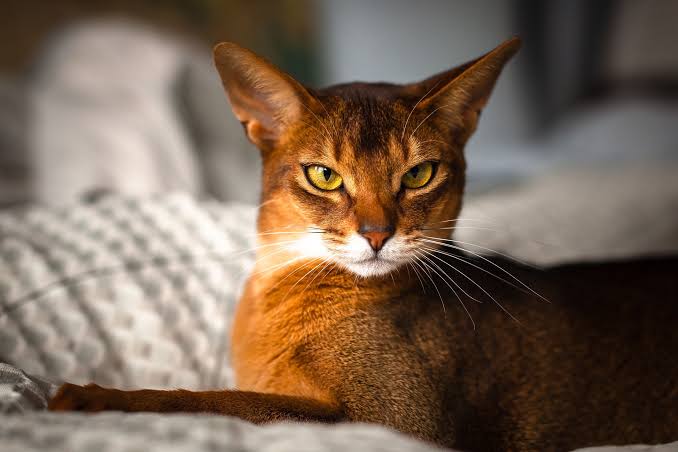
Learn about Abyssinian Tabby kittens, including appearance, personality, care, health, price, and what to know before choosing one.. Although purebred Abyssinians are recognized for their ticked coats rather than traditional tabby stripes, many people use the phrase “Abyssinian tabby kitten” to describe kittens that inherit Abyssinian features along with tabby markings or a ticked tabby pattern.
These kittens are known for their athletic build, endless curiosity, and strong bond with their families. They thrive in homes where they receive daily interaction, plenty of exercise, and opportunities to explore their surroundings.
If you’re considering adding one to your family, this guide explains everything you need to know about their appearance, temperament, grooming, health, diet, lifespan, and average cost.
What Is an Abyssinian Tabby Kitten?
An Abyssinian Tabby kitten is a young Abyssinian cat displaying the breed’s signature ticked tabby coat (also called Agouti). Unlike traditional tabbies with stripes, spots, or swirls, Abyssinians possess a unique genetic pattern where individual hair shafts alternate between light and dark bands of pigment, giving them a warm, iridescent, wild-cat appearance.
Core Physical Characteristics
| Feature | Characteristic |
| Build & Structure | Medium-sized, lithe, and muscular with slender legs, small oval paws, and a long tapering tail. |
| Coat Texture & Pattern | Fine, silky short coat featuring agouti ticking (4 to 6 alternating dark and light bands per hair shaft). |
| Facial Markers | Almond-shaped eyes bordered by dark mascara-like lining, large cupped ears, and subtle dark “M” markings on the forehead. |
| Eye Color | Large, expressive eyes that mature into gold, copper, green, or hazel. |
| Weight | Adult females weigh 6–8 lbs, while males weigh 8–10 lbs. |
Recognized Color Variations
While all purebred Abyssinians share the ticked tabby gene, they come in four primary recognized colors:
- Ruddy (Usual): The signature color. Burnt-sienna base ticked with dark brown or black, black tail tip, and tile-red nose leather.
- Sorrel (Cinnamon): Warm copper-red base coat ticked with chocolate brown, with pink nose leather and paw pads.
- Blue: Soft warm pinkish-beige undercoat ticked with deep slate blue-grey.
- Fawn: Soft warm cream base coat ticked with cocoa/rose-beige.
Abyssinian Tabby Kitten Appearance and Coat Pattern
The appearance of an Abyssinian Tabby kitten is defined by a sleek, cougar-like silhouette paired with one of the most distinctive coats in the feline world: the agouti (ticked) tabby pattern.
Unlike standard domestic tabbies that display bold stripes, spots, or marbled swirls across their bodies, an Abyssinian’s coat appears uniform from a distance, shimmering with rich, multi-toned depth as they move.
The Anatomy of the Ticked Coat Pattern
The signature look of an Abyssinian comes from a specific genetic trait known as the Agouti gene ($A$):
- Multi-Banded Hair Shafts: Each individual guard hair features 4 to 6 alternating bands of dark and light pigment. For example, on a classic Ruddy Abyssinian, a single hair shaft alternates between warm apricot/sienna and dark brown or black.
- Solid Dark Spine & Tail: The ticked pattern covers the body, while a darker line of pigment runs down the spine to the tip of the tail, which ends in a solid dark point.
- Clear Underbody: The fur along the chest, belly, and inner legs remains unticked, showing off the clear, warm base coat color.
- Development Over Time: Abyssinian kittens are born with darker fur and lighter bellies. The full ticking, contrast, and coat depth take up to 1 to 2 years to completely mature.
Facial Features & Body Build
| Feature | Physical Description |
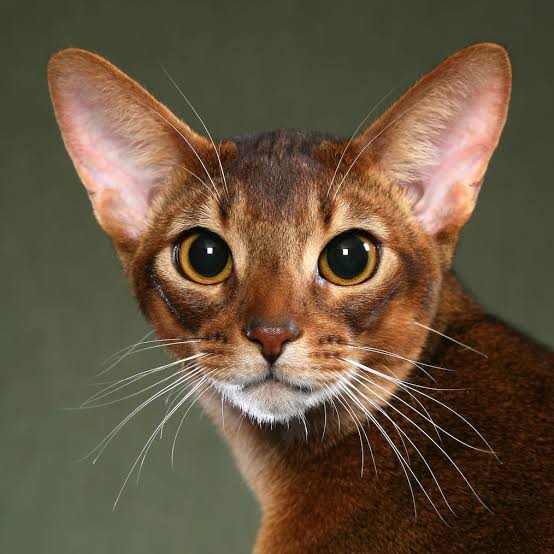
| Head & Ears | Slightly rounded wedge-shaped head with unusually large, alert, cupped ears that curve forward as if constantly listening. |
| Eyes & Markings | Large, almond-shaped eyes trimmed with dark rimming (resembling liquid eyeliner), surrounded by a lighter halo. A faint dark “M” or pencil-line marking is often visible on the forehead. |
| Eye Colors | Expressive eyes that shift from kitten blue to vibrant gold, copper, green, or hazel. |
| Body Frame | Medium-sized, athletic, lithe, and muscular (“foreign” body type) with long, slender legs, small oval paws, and a long, tapering tail. |
Recognized Color Varieties
While the coat pattern remains identical, Abyssinians display four internationally recognized primary colors:
Fawn: Warm, soft oatmeal or cream base coat ticked with soft cocoa/rose-beige.
Ruddy (Usual): Burnt-sienna base coat ticked with dark brown or black. Features black paw pads, a black tail tip, and tile-red nose leather.
Sorrel (Cinnamon): Warm copper-red base coat ticked with rich chocolate brown. Features pink paw pads and nose leather.
Blue: Soft, warm pinkish-beige undercoat ticked with deep slate blue-grey.
Abyssinian Tabby Kitten Personality and Temperament
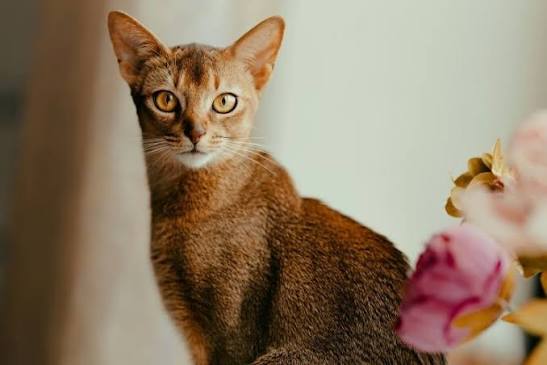
Abyssinian Tabby kittens are famous for being high-energy, intensely curious, and deeply people-oriented. Often nicknamed the “clowns of the cat kingdom,” they combine wild, cougar-like looks with an athletic, playful, and affectionate temperament.
Key Personality & Temperament Traits
- High Energy & Athleticism: Abyssinians are dynamic, high-drive cats. They love vertical space—expect them to scale tall scratching posts, perch on top of refrigerators, or leap onto your shoulders to watch household activities.
- Relentless Curiosity: Highly intelligent and inquisitive, an Abyssinian kitten wants to be involved in everything you do. They will supervise cooking, inspect grocery bags, and investigate open cabinets or drawers.
- Affectionate & Interactive: While they prefer participating in activities over lounging quietly in your lap, they form deep bonds with their human families. They show love by following you room to room, head-butting, and greeting you at the door.
- Quiet, Soft Voice: Despite their high energy, they are not loud or demanding vocalizers. They communicate using quiet, soft trills, purrs, and subtle chirps.
- Play-Driven & Trainable: Their sharp intellect makes them natural puzzle-solvers. Many learn to play fetch, walk on a leash, or master basic trick commands using clicker training.
Temperament Development Across Life Stages
| Age Stage | Behavioral Profile | Activity & Exercise Need |
| Kitten (2–6 Months) | Extremely active, fearless explorer. Constant hunting play, zooming, and climbing. | Very High (Requires daily interactive play) |
| Adolescent (6–12 Months) | High energy paired with problem-solving curiosity (opening doors, tapping faucets). | High (Needs puzzle toys and vertical trees) |
| Adult (1–3+ Years) | Retains a youthful, kitten-like spirit throughout adulthood while settling into house routines. | Moderate-High (Daily active play remains essential) |
Compatibility with Families & Other Pets
- With Children: Excellent companions for active households. They thrive on the play and interaction kids provide, provided children are taught to interact gently without trapping or restraining them.
- With Dogs & Other Cats: Very social and adaptable. Because of their confident nature, they rarely hide from cat-friendly dogs or fellow pets, often seeking them out as playmates.
- Solo Living Warning: Because they thrive on interaction and stimulation, Abyssinians can easily become bored or destructive if left home alone for long hours without a companion cat or interactive toys.
How to Care for an Abyssinian Tabby Kitten
Caring for an Abyssinian Tabby kitten requires catering to one of the most athletic, intelligent, and high-energy cat breeds in the world. Often described as feline “athletes,” Abyssinians need high-protein nutrition, ample vertical territory, and daily mental stimulation to thrive.
1. Environment & Vertical Territory Setup
Abyssinians naturally seek out high elevation and thrive on physical challenges.
- Provide Tall Climbing Towers: Install sturdy floor-to-ceiling cat trees with wide bases, or set up wall-mounted cat shelves and bridges.
- Window Perches: Place perches near windows so your kitten can watch outdoor activity, birds, or traffic.
- Interactive Toy Station: Keep interactive wand toys, feather teasers, and light balls readily available to channel their natural hunting drive.
- Kitten-Proofing: Because they are agile jumpers and curious explorers, secure open windows, cover loose electrical cords, and keep small objects or hair ties safely stored away.
2. Nutrition & Diet Plan
Due to their rapid metabolism and high energy levels, Abyssinian kittens burn calories quickly.
                 ABYSSINIAN NUTRITION MATRIX
 ┌──────────────────────┬────────────────────────────────┐
 │ Protein Target       │ 40%+ High Quality Meat Source  │
 ├──────────────────────┼────────────────────────────────┤
 │ Moisture Ratio       │ Minimum 50–70% Wet Canned Food │
 ├──────────────────────┼────────────────────────────────┤
 │ Feeding Style        │ Timed Meals / Puzzle Feeders   │
 └──────────────────────┴────────────────────────────────┘
- High-Protein Kitten Formula: Feed a growth food where whole meat (chicken, turkey, rabbit, or salmon) is the primary ingredient.
- Incorporate Wet Food Daily: Serve canned wet food daily to ensure adequate hydration and protect urinary health.
- Use Puzzle Feeders: Instead of standard bowls, feed a portion of dry kibble inside puzzle toys to satisfy their high problem-solving drive.
- Daily Schedule:
- 2 to 6 months: 3 to 4 small meals daily.
- 6 to 12 months: 2 to 3 meals daily.
3.Grooming and Coat Care
Grooming an Abyssinian Tabby kitten is low-maintenance thanks to their short, fine, and close-lying coat. However, establishing a consistent grooming routine early helps build a strong bond, protects against breed-specific health issues like gingivitis, and enhances the warm, iridescent shine of their ticked agouti fur.
1. Tool Essentials for Abyssinian Coat Care
Because Abyssinians lack a thick, woolly undercoat, avoid harsh wire slicker brushes or de-shedding tools (like Furminators), which can scratch their delicate skin or tear guard hairs.
| Grooming Tool | Primary Function | Frequency |
| Rubber Curry Brush / Grooming Glove | Removes dead surface hairs and massages skin to distribute natural coat oils. | Once weekly |
| Soft Bristle Brush or Chamois Cloth | Buffs the topcoat to bring out the high-contrast shine of the agouti ticking. | Post-brushing finish |
| Enzymatic Cat Toothpaste & Finger Brush | Prevents tartar buildup and early periodontal disease (common in Abyssinians). | 2–3 times weekly |
| Cat Ear Wipes / Damp Cotton Pad | Cleans dust and wax from their large, open ear canals. | Bi-weekly |
| Guillotine or Scissor Claw Clippers | Keeps active climbing claws blunt to protect furniture and perches. | Every 2 weeks |
2. Step-by-Step Grooming Routine
1.Desensitize High-Energy Kittens:Duration: 2 to 3 minutes.
Abyssinians rarely sit still for long. Schedule grooming sessions immediately after an energetic play session when the kitten is naturally relaxed. Reward calm behavior with high-value treats before starting.
2.Brush and Polish the Ticked Coat:Frequency: Once weekly.
- Gently brush with a rubber curry glove in the direction of hair growth to lift loose shedding.
- Finish by wiping down the body with a damp chamois cloth or microfiber towel to clear remaining dander and leave a glossy sheen over the multi-toned bands of pigment.
3.Inspect & Clean Large Ears:Frequency: Every 2 weeks.
Because of their large, cupped ear shape, Abyssinians easily collect ambient household dust. Wipe the outer ear flap gently using a damp cotton pad. Never insert cotton swabs into the ear canal.
4.Prioritize Dental Care:Frequency: 2 to 3 times weekly.
Lift the kitten’s lip and gently rub feline enzymatic toothpaste along their molars and gum line using a soft finger brush. Early dental care is essential to combat their genetic predisposition to gum inflammation.
5.Trim Claw Tips:Frequency: Every 2 weeks.
Gently extend each toe and clip the translucent hook tip of the claw. Avoid the pink vein (the quick) inside the nail bed.
Bathing Guidelines
Abyssinians rarely require full baths because they are fastidious self-groomers. Bathing is only necessary if they get into something sticky or oily.
If a bath is required:
- Use lukewarm water and a mild, fragrance-free feline shampoo.
- Avoid getting water inside their large ears (use cotton balls at the entrance of the ear opening during washing).
- Towel dry immediately in a warm room; their thin coat dries rapidly.
4. Mental Enrichment & Training
Abyssinians need active mental exercise to prevent boredom and destructive behaviors.
- Clicker Training: Teach your kitten simple commands (sit, high-five, come) or harness-train them for outdoor walks.
- Play Fetch: Many Abyssinian kittens naturally retrieve small foam balls or crinkle toys and bring them back to you.
- Dedicated Daily Playtime: Schedule at least 20 to 30 minutes twice daily of energetic wand or laser play to burn off excess energy before bedtime.
5. Health Monitoring & Vet Care
Abyssinians are generally healthy, long-lived cats (12 to 15+ years), but you should work with your veterinarian to monitor for breed-specific conditions:
| Health Condition | Description | Preventive Action |
| Pyruvate Kinase Deficiency (PK-Def) | An inherited genetic hemolytic anemia causing fatigue and weakness. | Request proof parents tested PK-Def clear via DNA testing. |
| Progressive Retinal Atrophy (rdAc-PRA) | A genetic eye disease causing eventual blindness. | Ensure parents were screened clear of the PRA gene. |
| Gingivitis & Periodontal Disease | Inflammation of the gums common in Abyssinians. | Maintain regular home brushing and annual professional dental checks. |
| Patellar Luxation | Slipping of the kneecaps due to high athleticism. | Keep weight optimal; monitor for sudden hind-leg limping. |
Preventive Vet Timeline
6–12 Months: Spay/Neuter procedure consultation.
8–12 Weeks: Core FVRCP vaccinations + deworming screening.
12–16 Weeks: Rabies vaccination + final core boosters + microchipping.
Best Diet for Healthy Growth
A balanced diet plays an important role during the kitten stage.
Choose a premium kitten food containing:
- High-quality animal protein
- Healthy fats
- Taurine
- Essential vitamins
- Minerals
- Omega-3 fatty acids
Always provide clean drinking water and avoid foods that are toxic to cats, including chocolate, onions, garlic, grapes, raisins, and alcohol.
Abyssinian Tabby Kitten Health and Lifespan
The Abyssinian Tabby kitten is generally a robust, athletic, and long-lived breed, boasting an average lifespan of 12 to 15+ years (with many well-cared-for indoor Abyssinians reaching up to 18 to 20 years).
However, because they are a purebred lineage, they carry genetic predispositions to specific inherited health conditions. Understanding these conditions, securing breeder health clearances, and establishing proactive veterinary care ensure a full, healthy life.
1. Primary Inherited & Genetic Health Concerns
Ethical Abyssinian breeders screen their breeding stock using DNA testing and veterinary exams to eradicate hereditary diseases. When sourcing a kitten, ensure the parents have clear test results for the following conditions:
| Health Condition | Description & Impact | Prevention & Screening |
| Pyruvate Kinase Deficiency (PK-Def) | An inherited hemolytic anemia caused by a deficiency in the PK enzyme, leading to energy loss, severe weakness, and yellowing gums. | DNA testing can detect carriers and affected cats. Demand proof that both parents are PK-Def clear. |
| Progressive Retinal Atrophy (rdAc-PRA) | A genetic eye disorder causing progressive degeneration of the retina, leading to night blindness and eventual complete vision loss. | Require DNA screening clearance showing parents are non-carriers of the rdAc-PRA mutation. |
| Renal Amyloidosis | A hereditary disease where protein (amyloid) deposits accumulate in organs, primarily causing early kidney failure. | Hard to screen genetically; choose breeders with long lineage histories free of early renal disease. |
| Gingivitis & Periodontal Disease | Abyssinians are prone to chronic gum inflammation, tartar buildup, and early tooth loss if oral care is neglected. | Daily or bi-weekly toothbrushing using enzymatic cat toothpaste + annual professional dental cleanings. |
| Patellar Luxation | The kneecap slips out of its normal anatomical groove, causing intermittent limping or hopping, often due to high athletic jumps. | Maintain optimal body weight and provide sturdy climbing surfaces; severe cases may require surgical correction. |
2. Pediatric & Preventive Vet Timeline
Keeping an active Abyssinian kitten healthy starts with timely vaccinations and parasite prevention.
                 PEDIATRIC CARE TIMELINE
 ┌──────────────────────┬────────────────────────────────┐
 │ 8 – 9 Weeks          │ First FVRCP (Core Vaccination) │
 ├──────────────────────┼────────────────────────────────┤
 │ 12 – 13 Weeks        │ FVRCP Booster + FeLV (if outdoor)
 ├──────────────────────┼────────────────────────────────┤
 │ 15 – 16 Weeks        │ Final FVRCP Booster + Rabies   │
 ├──────────────────────┼────────────────────────────────┤
 │ 6 – 12 Months        │ Spay/Neuter + Dental Baseline  │
 └──────────────────────┴────────────────────────────────┘
- Core Vaccinations: Administer the FVRCP vaccine (protecting against Feline Viral Rhinotracheitis, Calicivirus, and Panleukopenia) on schedule.
- Microchipping: Because Abyssinians are fast, curious explorers prone to slipping through open doors, ensure microchipping is completed during their final kitten vaccination or spay/neuter surgery.
- Parasite Control: Maintain year-round broad-spectrum monthly preventatives against fleas, ticks, heartworms, and intestinal parasites.
3. Lifespan Maximization & Daily Wellness
To support your Abyssinian’s longevity, tailor their daily environment and lifestyle to their physiological needs:
- Prevent Obesity: While Abyssinians burn energy quickly, neutered adult indoor cats can gain excess weight. Monitor body condition and use puzzle feeders rather than leaving food out continuously.
- Maintain Hydration: Prevent kidney strain and urinary tract issues by feeding wet food daily and providing a flowing water fountain.
- Indoor Safety & Enrichment: Due to their agile climbing nature, secure tall windows/balconies and provide rich indoor vertical territory (cat trees, shelves) to keep their minds and bodies sharp without outdoor hazards.
Are Abyssinian Tabby Kittens Good Family Pets?
Yes. These cats are known for their friendly and adaptable nature.
They usually fit well into homes with:
- Children
- Other cats
- Cat-friendly dogs
- Active families
- Multi-pet households
Introducing kittens to people and other pets at an early age encourages confident adult behavior.
How Much Does an Abyssinian Tabby Kitten Cost?
The cost of an Abyssinian Tabby kitten typically ranges between $1,200 and $2,500+ USD from a reputable, ethical breeder. High-end show-quality kittens or rare color lines (such as Silver or Fawn) can cost $3,000 or more.
If you adopt through a breed-specific rescue or shelter, adoption fees usually range from $150 to $400 USD.
Price Breakdown by Category
| Sourcing Option | Expected Price Range | What Is Included |
| Pet-Quality (Reputable Breeder) | $1,200 – $2,000 | Purebred TICA/CFA registration, genetic health guarantees, initial core vaccinations, deworming, microchip, and spay/neuter contract. |
| Show/Breed-Quality (Top Lineage) | $2,200 – $3,500+ | Superior coat ticking, perfect body conformation, full breeding/showing rights, and top pedigree lineage. |
| Shelter / Breed Rescue | $150 – $400 | Spay/neuter surgery completed, core vaccinations, basic health check, and microchip (registration papers usually not included). |
| Red Flag / Backyard Breeder | $400 – $800 | High Risk: Minimal or no genetic health screening (PK-Def, PRA), no official registration, early release (under 8–12 weeks), higher risk of medical issues. |
Key Factors Influencing the Purchase Price
- Genetic Health Screenings: Ethical breeders invest thousands in DNA testing parents for Pyruvate Kinase Deficiency (PK-Def) and Progressive Retinal Atrophy (rdAc-PRA), as well as routine cardiac/renal screens. This testing is factored into the price tag.
- Coat Color & Ticking Clarity: The classic Ruddy and Sorrel (Cinnamon) colors are most common. Rarer colors like Blue, Fawn, or Silver variations often carry a premium price. Clear, high-contrast Agouti ticking without stray stripes also commands a higher cost.
- Breeder Pedigree & Registration: Kittens from championship bloodlines registered with recognized registries like TICA (The International Cat Association) or CFA (Cat Fanciers’ Association) cost more.
- Included Veterinary Care: Ethical breeders keep kittens until 12 to 16 weeks of age, covering multiple vet visits, core vaccine series, deworming, microchipping, and often the spay/neuter procedure before placement.
First-Year Ownership Expenses
Beyond the initial purchase price, prepare for the initial setup and ongoing care costs required for a high-energy Abyssinian:
              FIRST-YEAR COST ESTIMATE
 ┌──────────────────────┬────────────────────────────────┐
 │ Initial Gear & Setup │ $300 – $600 (Tall cat tree,   │
 │                      │ litter box, puzzle toys, etc.) │
 ├──────────────────────┼────────────────────────────────┤
 │ Food & Supplies      │ $500 – $800 / year (High-      │
 │                      │ protein wet & dry food)        │
 ├──────────────────────┼────────────────────────────────┤
 │ Vet Care & Insurance │ $400 – $900 / year (Routine   │
 │                      │ checkups, flea/tick, pet ins.) │
 └──────────────────────┴────────────────────────────────┘
Routine Vet Care & Pet Insurance ($400–$900/year): Annual checkups, preventative dental care, and pet insurance to cover sudden injuries or genetic conditions.
Vertical Territory & Gear ($300–$600): Abyssinians are natural climbers; you will need heavy-duty, tall cat trees, sturdy scratching posts, window perches, and interactive puzzle toys.
High-Protein Diet ($500–$800/year): Their athletic metabolism requires quality, high-protein wet and dry food.
Is an Abyssinian Tabby Kitten the Right Choice?
An Abyssinian tabby kitten may be an excellent fit if you want a companion that is:
- Intelligent
- Friendly
- Curious
- Active
- Easy to groom
- Affectionate
- Good with children
- Compatible with other pets
These kittens do best with owners who can provide daily interaction, mental stimulation, and regular playtime.
Choosing an Abyssinian Tabby Kitten
Choosing a healthy, well-socialized Abyssinian Tabby kitten requires evaluating physical vitality, coat ticking standards, behavioral traits, and official breeder health documentation. Because Abyssinians are high-energy, athletic, and genetically distinct cats, paying attention to specific details up front ensures you bring home a thriving companion.
Step 1: Physical Health Checklist
Inspect the kitten in person or during a live, interactive video session to verify overall physical health:
| Body Area | Signs of a Healthy Abyssinian Kitten | Warning Signs / Red Flags |
| Eyes & Ears | Large, bright, almond-shaped eyes; clean, large cupped ears free of debris. | Tearing, eye discharge, cloudiness, or dark “coffee-ground” wax inside ears. |
| Nose & Mouth | Clear nostrils; healthy pink gums with no red lines along the tooth border. | Nasal discharge, sneezing, foul breath, or swollen/inflamed red gums (early gingivitis). |
| Coat & Skin | Fine, silky, close-lying coat with vibrant multi-toned agouti ticking. | Dull fur, bald patches, scabs, or black specks (flea dander). |
| Body Build | Lithe, muscular, lean frame with a firm (not bloated) abdomen. | Lethargic movement, visible hip/rib bones, or a swollen potbelly (worms/parasites). |
| Rear & Stool | Clean, dry fur around the base of the tail and anus. | Staining, wetness, or signs of active diarrhea around the rear. |
Step 2: Body Conformation & Coat Ticking
Abyssinian kittens are slender and athletic (“foreign” body type), but key breed markers should already be evident at 12–16 weeks:
- Agouti Ticking: Look for multi-banded pigment on individual hair shafts (alternating dark and light bands). Full coat depth takes up to 1–2 years to mature, but early contrast should be visible.
- Alert Silhouette: Slightly rounded, wedge-shaped head with wide-set, large cupped ears tilted forward as if listening intently.
- Facial Accentuation: Dark mascara-like outline framing expressive almond eyes, often with a subtle, faint “M” marking on the forehead.
Step 3: Social Temperament Evaluation
Abyssinians are naturally bold, inquisitive, and social. Avoid kittens that show extreme fear or withdrawal:
- High Curiosity: A healthy Abyssinian kitten will eagerly approach toys, inspect your hands or footwear, and explore their surroundings.
- Play & Agility: Look for responsive play behavior—chasing feather wands, leaping gracefully, and retrieving small objects.
- Handling Acceptance: The kitten should tolerate being handled, petted, and having its paws inspected without panic or extreme aggression.
Step 4: Breeder Verification & Health Clearances
Protect yourself against backyard breeders and inherited genetic disorders by requesting official documentation:
- Genetic Health Screenings (Parents):
- Pyruvate Kinase Deficiency (PK-Def): Request proof that both parents tested PK-Def Clear via DNA testing to prevent inherited hemolytic anemia.
- Progressive Retinal Atrophy (rdAc-PRA): Require written DNA test results showing parents are free of the rdAc-PRA gene mutation (which causes progressive blindness).
- Registry Pedigree: Ensure the litter is registered with recognized cat fancy associations such as TICA (The International Cat Association) or CFA (Cat Fanciers’ Association).
- Release Age: Ethical breeders never allow Abyssinian kittens to leave for new homes before 12 to 16 weeks of age, ensuring full core vaccinations (FVRCP), deworming, microchipping, and social development with their mother.
Quick Selection Matrix (Green vs. Red Flags)
| Criteria | 🟢 Green Flags (Ethical Breeder) | 🔴 Red Flags (Unsafe Seller) |
| Health Proof | Shares official DNA test certificates for PK-Def and PRA. | Claims parents are “vet checked” without written lab reports. |
| Interaction | Welcomes live video calls or in-person visits with the mother cat present. | Refuses live video; insists on meeting in a parking lot or public space. |
| Screening | Asks detailed questions about your lifestyle, home, and experience with high-energy cats. | Sells immediately to anyone without asking questions as long as payment is made. |
Frequently Asked Questions
Is an Abyssinian tabby kitten a purebred?
Not necessarily. Purebred Abyssinians have a naturally ticked coat rather than traditional tabby stripes. The term is commonly used for kittens with Abyssinian ancestry or an Abyssinian-like appearance combined with tabby markings.
Do Abyssinian tabby kittens shed heavily?
No. Their short coat sheds lightly to moderately and only requires occasional brushing to stay healthy.
Are they suitable for first-time cat owners?
Yes. Their affectionate nature and intelligence make them a rewarding choice for owners who are prepared to provide daily attention and enrichment.
Can they be trained?
Absolutely. They respond well to positive reinforcement and often learn tricks, commands, and interactive games more quickly than many other cat breeds.
Conclusion
An Abyssinian tabby kitten combines beauty, intelligence, and an energetic personality in one charming companion. Whether your kitten has genuine Abyssinian ancestry or simply shares similar physical characteristics, it can become a devoted member of the family with the right care.
Providing a nutritious diet, routine veterinary care, regular grooming, and plenty of opportunities for exercise will help your kitten develop into a healthy, confident, and affectionate adult cat.