
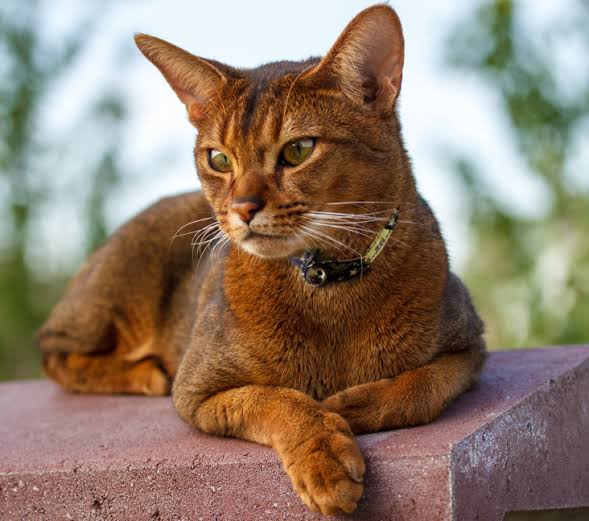
Find Abyssinian Kitten for Sale and learn about prices, availability, health, personality, and what to check before buying. Abyssinians have earned a reputation as one of the most energetic and people-oriented cat breeds, making them a favorite for families and individuals who enjoy an interactive pet.
Before bringing one home, it’s worth learning what makes this breed unique, what to expect from daily life with an Abyssinian, and how to find a healthy kitten from a responsible breeder. This guide will help you make an informed decision before welcoming your new feline friend.
Abyssinian Kittens for Sale
An Abyssinian kitten is a young purebred domestic cat of the Abyssinian breed (typically up to 1 year old), instantly recognizable by its distinct ticked tabby coat, slender muscular build, large expressive ears, and exceptionally high energy level. Abyssinian Kitten for Sale
abyssinian kitten cost
An Abyssinian kitten from a reputable, registered breeder typically costs between $1,200 and $2,500. Top show-quality kittens or rare coat colors (such as silver or fawn) from premier champion bloodlines can cost between $2,500 and $3,500+. Abyssinian Kitten for Sale
Price Breakdown by Source
| Source | Typical Cost | What Is Included |
| Shelter / Rescue Adoption | $100 – $400 | Spay/neuter, initial vaccinations, microchip, and health check (adults or mixes) |
| Pet-Quality Breeder Kitten | $1,200 – $2,200 | TICA/CFA registration papers, genetic health guarantee, core vaccines, early socialization |
| Show/Breeding-Quality Kitten | $2,200 – $3,500+ | Grand champion bloodlines, full breeding rights, strict breed standard compliance |
Key Factors That Drive the Cost
- Pedigree & Lineage: Kittens descended from award-winning bloodlines registered with TICA (The International Cat Association) or CFA (Cat Fanciers’ Association) command higher prices.
- Genetic Health Screening: Ethical Abyssinian breeders invest heavily in screening parents for breed-specific genetic conditions:
- Pyruvate Kinase Deficiency (PKDef): An inherited hemolytic anemia.
- Progressive Retinal Atrophy (PRA): A genetic eye disorder leading to blindness.
- Breeder Veterinary & Care Costs: Registered breeders raise kittens indoors, provide high-quality nutrition, complete initial vaccine series, deworming, microchipping, and often spay/neuter before rehoming at 12–16 weeks.
- Coat Color Rarity: While Ruddy and Sorrel (Cinnamon) are the most common colors, rarer coats like Blue, Fawn, or Silver can carry a premium. Abyssinian Kitten for Sale
First-Year & Ongoing Costs to Budget
- Initial Setup & Gear: $200 – $500 (Tall cat trees, puzzle toys, scratching posts, litter box, carrier, food/water bowls)
- First-Year Vet Care: $150 – $350 (Follow-up vaccinations, routine checkups, parasite prevention)
- Annual Ongoing Expenses: $1,000 – $1,800/year (High-protein diet, litter, routine annual vet visits, pet insurance)
What Makes an Abyssinian Special?
Every cat has its own personality, but Abyssinians share several characteristics that make them stand out.
Intelligent and Quick to Learn
Abyssinians are exceptionally smart. They learn routines quickly, recognize familiar voices, and enjoy solving food puzzles or interactive games. Many can even be taught simple tricks using positive reinforcement.
Full of Energy
If you’re looking for a calm lap cat that sleeps most of the day, this may not be the right breed. Abyssinians love to run, jump, climb, and explore. Providing climbing trees, scratching posts, and daily play sessions helps keep them physically and mentally satisfied.
Friendly and Social
These cats usually enjoy spending time with people and often follow their owners around the house. They are affectionate without being overly demanding and generally fit well into households where they receive regular interaction.
Appearance
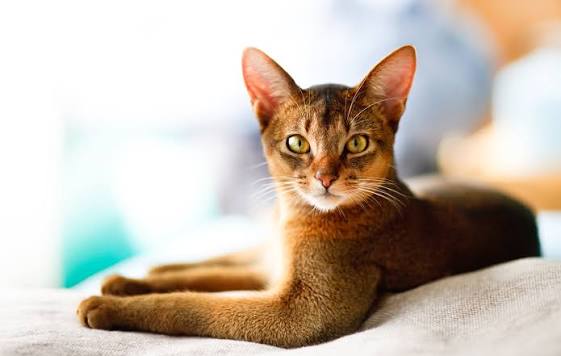
Abyssinian kittens have an elegant yet athletic appearance that becomes even more striking as they mature.
Typical features include:
- A lean, muscular body
- Long, graceful legs
- Large alert ears
- Almond-shaped expressive eyes
- A slender tail
- A short, silky coat
The breed’s most recognizable feature is its ticked coat. Instead of obvious stripes or spots, each hair contains multiple bands of color that create a warm, glowing appearance.
Recognized coat colors include:
- Ruddy
- Sorrel (Cinnamon)
- Blue
- Fawn
As kittens grow, their coat develops richer color and more defined ticking.
Is an Abyssinian the Right Cat for You
Before searching for an Abyssinian kitten for sale, consider whether this breed matches your lifestyle.
An Abyssinian may be an excellent choice if you:
- Want an active companion
- Enjoy interactive pets
- Have time for daily play
- Appreciate an intelligent cat
- Have climbing space available
- Plan to keep your cat indoors
This breed is less suitable for owners who are away from home for long periods every day without providing enrichment or companionship. Abyssinian Kitten for Sale
Where to Find Abyssinian Kittens for Sale
To find a healthy, purebred Abyssinian kitten safely, you should search through registered breeder directories or breed-specific rescues rather than unvetted online classifieds. Abyssinian Kitten for Sale
1. Official Breeder Directories (Recommended)
Ethical breeders register their catteries with official feline organizations, which hold member breeders to high health and care standards.
- The Cat Fanciers’ Association (CFA): Visit the official CFA Breeder Directory to search for registered Abyssinian catteries by region.
- The International Cat Association (TICA): Use the TICA Online Breeder Search to locate member breeders who agree to abide by TICA’s Code of Ethics.
- Fédération Internationale Féline (FIFe): For buyers based in Europe, search FIFe-affiliated national cat clubs for certified Abyssinian breeders.
- Breed Specialty Clubs: Look up regional organizations like the Abyssinian Cat Club or National Abyssinian Cat Club, which maintain referral lists for active litters.
2. Adoption & Breed-Specific Rescues
If you prefer to adopt, breed-specific rescue networks occasionally rehome purebred Abyssinians or Abyssinian mixes.
- Abyssinian Rescue Networks: Organizations such as Southern Nevada Abyssinian Rescue or national breed rescue groups place adult Abyssinians and retired breeding cats in need of homes.
- Petfinder & Adopt-a-Pet: Set up email alerts on Petfinder.com or Adopt-a-Pet.com filtered by the Abyssinian breed tag to catch local shelter additions. Abyssinian Kitten for Sale
3. How to Verify a Reputable Breeder
| Verification Area | Green Light (Reputable) | Red Flag (Avoid) |
| Health Testing | Provides written DNA test results for PKDef (Pyruvate Kinase Deficiency) and PRA (Progressive Retinal Atrophy) | Claims cats are “vet checked” but cannot show DNA screening papers |
| Rehoming Age | Kittens go home at 12 to 16 weeks old with core vaccinations completed | Offers to ship kittens at 6 to 8 weeks old |
| Visits & Proof | Allows in-person visits or live video calls showing kittens with the mother | Refuses video calls, uses stock photos, or offers drop-offs in public parking lots |
| Contract | Requires a signed contract with a 1-to-2-year health guarantee and a return clause | Cash-only transactions with no receipt or written guarantee |
The Abyssinian Kitten Adoption Process: A Step-by-Step Guide
Abyssinian kittens are known for their striking ticked coats, alert almond-shaped eyes, and endless curiosity. If you’ve decided this active, people-oriented breed is right for your home, the adoption process involves more than just picking the cutest face in the litter. Here’s what actually goes into bringing home an Abyssinian the right way. Abyssinian Kitten for Sale
Step 1: Decide Between a Breeder and a Rescue
Abyssinians are a relatively rare breed, so your path will usually go one of two ways:
- Reputable breeders — most common route, since purebred Abyssinian kittens rarely end up in general shelters
- Breed-specific rescues — occasionally have adult Abyssinians or mixes available; worth checking if you’re open to an older cat
- General shelters — Abyssinian mixes do occasionally show up, though true purebreds are uncommon
Each path has different expectations around cost, paperwork, and how much history you’ll get on the kitten’s background.
Step 2: Research the Breeder or Rescue Thoroughly
This is the step people most often rush — and shouldn’t. A responsible source will:
- Provide health testing results for both parent cats
- Let you visit in person or via video call to see how kittens are raised
- Be upfront about any genetic conditions common to the breed, such as renal amyloidosis or patellar luxation
- Offer a written health guarantee
- Ask you questions too — good breeders screen adopters, not just sell to anyone
Be wary of anyone offering kittens younger than 12 weeks, refusing to share medical records, or always having litters “in stock.”
Step 3: Get on a Waiting List
Because Abyssinians aren’t mass-bred, most reputable breeders operate with waiting lists rather than walk-in availability. Expect to:
- Fill out an adoption application detailing your home setup and experience with cats
- Pay a deposit to hold your spot in an upcoming or planned litter
- Wait anywhere from a few weeks to several months, depending on breeding schedules
Rescues typically move faster, though availability is far less predictable.
Step 4: Prepare Your Home Before Pickup
Abyssinians are famously energetic and curious, so kitten-proofing matters more with this breed than with more sedentary cats. Before bringing your kitten home:
- Secure high shelves and cabinets — Abyssinians love to climb
- Set up scratching posts and vertical cat trees early
- Remove toxic plants and small swallowable objects
- Choose a quiet room for the first few days of adjustment
Step 5: The Home Visit or Meet-and-Greet
Many breeders and most rescues will want to see where the kitten will live, either in person or through photos and video. This isn’t a formality — it’s a genuine check to confirm the environment is safe and appropriate. Some rescues also require a signed adoption contract outlining spay/neuter agreements and return policies if things don’t work out.
Step 6: Finalizing the Adoption
Once approved, the process typically includes:
- Signing an adoption or sale contract
- Paying the remaining fee (purebred Abyssinian kittens generally run $800–$2,000+ depending on lineage and breeder reputation; rescue fees are usually $75–$300)
- Receiving vaccination and deworming records
- Getting a health guarantee and any breed-specific documentation, such as registration papers
Step 7: The First Weeks at Home
Bring your kitten home in a secure carrier and give them time to settle before introducing them to the whole house at once. In the first few weeks:
- Schedule a vet visit within the first week to establish a baseline and continue any needed vaccinations
- Keep interaction positive but not overwhelming — Abyssinians bond quickly but can be sensitive to chaotic environments
- Introduce other pets gradually and under supervision
- Expect high energy — this breed needs daily play and enrichment from the start
What to Look for When Buying an Abyssinian Kitten
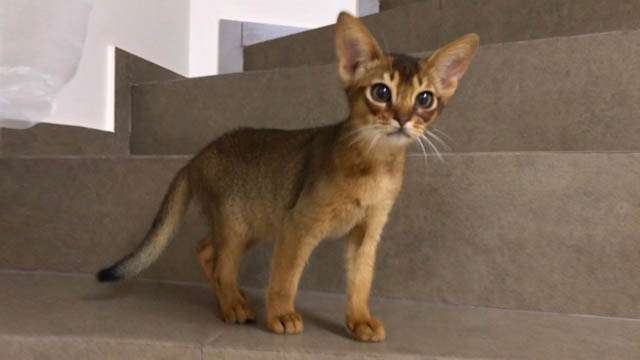
Buying an Abyssinian kitten requires verifying genetic health screenings, evaluating physical health indicators, and assessing temperament to ensure you receive a well-socialized, purebred kitten. Abyssinian Kitten for Sale
1.1. Request Proof of Genetic DNA Health Testing:Screen for breed-specific genetic disorders.
Abyssinians are prone to specific hereditary conditions. Ensure the breeder provides written negative DNA test results for both parents for:
- Pyruvate Kinase Deficiency (PKDef): A genetic enzyme defect causing severe hemolytic anemia.
- Progressive Retinal Atrophy (rdAc PRA): An inherited eye condition leading to eventual blindness.
2.2. Confirm Official Registration Papers:Verify TICA or CFA cattery credentials.
Verify that the breeder is registered with The International Cat Association (TICA) or the Cat Fanciers’ Association (CFA). The kitten should come with official registration documentation showing a purebred pedigree.
3.3. Evaluate Physical Health Markers:Inspect physical appearance and vitality.
Observe the kitten in person or via live video to check for key health indicators:
- Eyes & Nose: Bright, clear eyes with no discharge, cloudiness, or tearing; clean, unblocked nostrils with no sneezing.
- Coat & Skin: Soft, warm coat showing early signs of agouti ticking; skin free of flaking, black flea dirt, or redness.
- Ears & Mouth: Clean ear canals without dark coffee-ground discharge (ear mites); pink gums with clean teeth and fresh breath.
- Body Condition: Firm, muscular frame without a bloated or pot-bellied stomach (a sign of internal parasites).
4.4. Assess Temperament and Socialization:Ensure confidence rather than extreme fear.
Abyssinians are naturally inquisitive and active. A healthy, well-socialized kitten should demonstrate curiosity, inspect your hands, interact with teaser toys, and tolerate gentle handling. Avoid kittens that show extreme fear, persistent hiding, or aggression.
5.5. Review Contract, Age, and Medical Records:Ensure proper age and veterinary coverage.
- Rehoming Age: Responsible breeders never release kittens before 12 to 16 weeks of age, ensuring proper immune defense and behavioral weaning.
- Vaccinations: Verify complete age-appropriate core vaccinations (FVRCP), deworming history, and microchip documentation.
- Sales Contract: Ensure the contract includes a 1-to-2-year health guarantee against congenital conditions and a clause stating the breeder will take the cat back if you are ever unable to keep it.
Evaluation Checklist
| Checkpoint | What to Look For | Warning Sign |
| Breeder Ethics | Openly shares parent DNA results and allows home/video visits | Refuses video calls, offers quick drop-offs in public parking lots |
| Living Conditions | Clean, odorless home environment where kittens live with humans | Kept in isolated cages, dark sheds, or dirty, overcrowded spaces |
| Kitten Energy | Playful, alert, explores toys, leaps onto perches | Lethargic, glass-eyed, unresponsive to movement or sound |
| Pricing | $1,200 – $2,500+ with full documentation | Under $600 for a “purebred” (often deposit scams or unvetted mixes) |
How to Choose a Healthy Abyssinian Kitten
Choosing a healthy Abyssinian kitten requires a balance of genetic verification, physical health checks, and temperament observation. Because Abyssinians are an athletic, fine-boned, and high-energy breed with specific hereditary risks, thorough vetting is essential. Abyssinian Kitten for Sale
1.1. Verify Genetic DNA Testing:Crucial first step for breed-specific hereditary risks.
Abyssinians carry predispositions to specific genetic conditions. Request written DNA test certificates for both parents showing they are clear or non-matching carriers for:
- PKDef (Pyruvate Kinase Deficiency): An inherited enzyme deficiency causing severe hemolytic anemia.
- PRA-rdAc (Progressive Retinal Atrophy): A genetic disorder causing photoreceptor degeneration and eventual blindness between ages 3 and 5.
- Renal Amyloidosis History: Ask if there is a family history of kidney disease or high protein levels in lineage bloodlines.
2.2. Inspect Physical Health Markers:Perform a head-to-tail physical evaluation.
Check the kitten in person or during a live video consultation for these physical indicators:
- Eyes & Nose: Eyes must be bright, clear, and free of cloudiness, tearing, or third-eyelid protrusion. Nostrils should be clean without discharge or frequent sneezing.
- Ears & Mouth: Ear canals must be pink and clean (no dark, coffee-ground wax indicating ear mites). Gums should be bubblegum-pink—pale or white gums are a warning sign of anemia.
- Coat & Skin: The short, close-lying coat should feel soft and show early agouti ticking. Skin should be free of flaking, redness, or flea dirt.
- Body Frame & Abdomen: The kitten should feel firm, muscular, and lithe. Avoid kittens with a hard, swollen, or pot-bellied stomach (a sign of internal parasites or malnutrition).
3.3. Evaluate Energy & Socialization:Match their behavior to the natural breed standard.
Abyssinians are naturally curious, active, and vocal in a soft chirp.
- Good Signs: The kitten investigates new sounds, tracks wand teasers with fast reflexes, approaches human hands, and demonstrates confident jumping.
- Warning Signs: Extreme lethargy, glassy eyes, unwillingness to move, persistent hiding, or aggressive fearful hissing.
4.4. Audit Cattery Conditions & Health Guarantee:Ensure proper immunization and weaning age.
- Rehoming Age: Responsible breeders never release kittens before 12 to 16 weeks of age, ensuring complete core vaccination series (FVRCP) and proper social weaning.
- Cattery Environment: Ensure the kittens are raised inside a clean, well-lit home rather than isolated cages or outdoor sheds.
- Sales Contract: Confirm the contract includes a written 1-to-2-year health guarantee covering congenital and genetic defects.
Health Checklist: What to Look For
| Health Area | Healthy Kitten (Green Light) | Potential Risk (Red Flag) |
| Gums & Mouth | Bright pink gums, fresh breath | Pale, white, or yellowish gums (anemia/jaundice) |
| Eyes & Vision | Clear, responsive pupils, follows moving objects | Cloudiness, discharge, or dilated unreactive pupils |
| Gait & Movement | Agile, leaps easily onto low perches | Limping, joint stiffness, or slipping kneecaps (patellar luxation) |
| Digestion | Clean hindquarters, firm stools in litter box | Stained rear, chronic diarrhea, or bloated stomach |
| Breeder Proof | Written TICA/CFA papers & lab DNA results | “Vet checked” verbal promises with no DNA paperwork |
Questions to Ask Before Buying an Abyssinian Kitten
Asking the right questions before buying an Abyssinian kitten protects you from health issues, deposit scams, and unethical breeding practices. Abyssinian Kitten for Sale
Abyssinian Kitten Price: What Should You Expect?
When comparing Abyssinian kitten price listings, avoid choosing a kitten based solely on the lowest price. An unusually cheap kitten may not include vaccinations, veterinary checks, or other important care.
Ask the breeder what is included in the advertised price. A responsible seller should be able to provide information about the kitten’s age, health history, vaccination status, parents, and living conditions.
The total cost of owning an Abyssinian kitten also goes beyond the initial purchase. New owners should budget for quality food, litter, routine veterinary visits, toys, grooming supplies, and other essentials.
Key Questions to Ask the Breeder
1. Health & Genetic Testing
- “Can you show me lab DNA test results for both parents for PKDef and PRA?”
- Why: Abyssinians are prone to Pyruvate Kinase Deficiency (PKDef) and Progressive Retinal Atrophy (PRA-rdAc). Reputable breeders must provide written laboratory proof that parents are clear or non-matching carriers.
- “Is there any family history of Renal Amyloidosis or patellar luxation in your lines?”
- Why: Kidney amyloidosis and slipping kneecaps are hereditary risks in Abyssinians; breeders should track lineage health history.
- “What vaccinations, deworming, and health checks will the kitten have before leaving?”
- Why: Kittens should receive age-appropriate core vaccinations (FVRCP) and thorough veterinary exams.
2. Registration & Lineage
- “Is your cattery registered with CFA or TICA, and will the kitten come with pedigree registration papers?”
- Why: Registration guarantees purebred status and holds breeders to ethical cattery standards.
- “Can I see the kitten’s parents (or at least the mother) in person or via live video call?”
- Why: Allows you to observe maternal health, temperament, and coat quality while confirming the listing is not a scam using stolen photos.
3. Environment & Socialization
- “At what age can the kitten go home?”
- Red Flag: Any breeder offering to release kittens before 12 to 14 weeks of age is cutting corners on immunity and behavioral weaning.
- “How and where are the kittens raised?”
- Ideal Answer: Raised inside a home environment with regular human handling, household noises, and early socialization.
4. Sales Contract & Guarantees
- “What does your written health guarantee cover, and for how long?”
- Ideal Answer: A 1-to-2-year guarantee against genetic or congenital life-threatening defects.
- “What is your policy if I can no longer keep the cat?”
- Ideal Answer: Responsible breeders include a mandatory clause stating they will take the cat back at any point in its lifetime.
Caring for Your Abyssinian Kitten
Once your kitten arrives home, a consistent routine will help them settle in quickly.
Provide:
- A balanced, high-quality kitten diet
- Fresh water at all times
- A clean litter box
- Safe climbing opportunities
- Interactive toys
- Comfortable sleeping areas
- Regular veterinary care
Because Abyssinians are naturally active, they benefit from homes that encourage exploration and play.
Grooming and Health
Their short coat is one of the easiest to maintain among cat breeds.
Weekly brushing is usually enough to remove loose hair and keep the coat looking healthy. Routine nail trimming, ear checks, and dental care should also become part of your regular schedule.
Most Abyssinians enjoy long, healthy lives when provided with good nutrition and preventive veterinary care. Responsible breeders also screen for inherited conditions that may affect the breed. Abyssinian Kitten for Sale
Abyssinian Kitten Personality and Temperament
Abyssinian kittens are famous for being exceptionally energetic, highly intelligent, and endlessly inquisitive. Often called the “clowns of the cat kingdom,” they rarely sit still for long and prefer active engagement over quiet lounging.
Core Personality Traits
| Trait | Rating | Behavioral Expression |
| Energy & Activity | Very High | Constant motion, acrobatic leaps, zooming through hallways |
| Intelligence | Exceptional | Learns trick cues quickly, solves food puzzles, opens cabinet doors |
| Affection Level | High (On Their Terms) | Prefers perch-side companionship and riding on shoulders over lap-sitting |
| Vocal Level | Quiet / Soft | Communicates through gentle, quiet chirps and purrs rather than loud meows |
| Sociability | Friendly & Bold | Thrives around active families, other energetic cats, and cat-friendly dogs |
Key Behavioral Profiles
1. The High-Flying Acrobat
Abyssinians possess powerful hind legs and an innate love for heights. A kitten will naturally seek out the highest points in your home—refrigerator tops, high shelves, and door frames. They need tall cat trees, wall-mounted cat shelves, and window perches to satisfy their vertical drive.
2. “Helper” Mentality (Inquisitive Nature)
Unlike independent breeds that observe from a distance, Abyssinian kittens want to participate in everything you do. Whether you are typing on a keyboard, folding laundry, or cooking, expect your kitten to sit right on your hands or balance on your shoulder to supervise.
3. Dog-Like Loyalty and Fetch Skills
Many Abyssinian kittens naturally learn to retrieve crumpled paper balls or small plush toys. Their high trainability makes them great candidates for clicker training, leash walking with a harness, and learning basic agility courses.
4. Interactive Affection over Lap Sitting
While deeply devoted to their owners, Abyssinians are rarely typical “lap cats.” They express affection by rubbing against your legs, giving headbutts, perching on your chair, and sleeping near your feet rather than lying still in your lap for hours.
Ideal Home Environment
- Stimulation Needs: They require daily interactive play sessions (wand teasers, feather toys) and mental enrichment like food puzzle toys to prevent boredom.
- Companionship: Because they are so social, Abyssinians can experience separation anxiety if left completely alone for long workdays. They thrive when paired with another active cat or dog.
- Child Friendliness: Their playful, tolerant, and energetic nature makes them excellent companions for respectful, active children.
Abyssinian Kitten Pictures: What Do They Look Like?
Looking at Abyssinian kitten pictures can help you learn the breed’s characteristic appearance. Abyssinian kittens typically develop a short, fine coat with a distinctive ticked pattern.
Their appearance commonly includes:
- Large, expressive ears
- Almond-shaped eyes
- A graceful, athletic body
- A relatively slender appearance
- A short coat with distinctive color banding
- A long, tapered tail
Keep in mind that photographs can sometimes make a kitten look different from how it appears in person. If you are buying online, request recent photographs and, where possible, a current video of the kitten.
Bengal and Abyssinian Mix Kitten
A Bengal and Abyssinian mix kitten combines characteristics from two active and intelligent cat breeds. Because it is a mixed-breed cat, its appearance and personality can vary considerably.
A Bengal-Abyssinian mix may inherit a combination of traits from both parents. Some kittens may have more noticeable markings, while others may have a coat that resembles the Abyssinian’s ticked appearance.
Potential owners should remember that mixed kittens do not necessarily have a predictable appearance or temperament. Ask about both parents and spend time learning about the characteristics of each breed.
Oriental and Abyssinian Mix Kitten
An Oriental and Abyssinian mix kitten is another possible combination for people interested in mixed-breed cats.
Oriental cats are known for their distinctive body shape, large ears, and social personalities, while Abyssinians are recognized for their athletic build, curiosity, and ticked coats.
An Oriental-Abyssinian mix can inherit different characteristics from either parent, so kittens from the same litter may not all look alike.
Before choosing a mixed kitten, ask the breeder about the parents’ health, temperament, and background.
Preparing Your Home for an Abyssinian Kitten
Preparing your home for an Abyssinian kitten requires extra attention compared to standard cat breeds. Because Abyssinians possess unmatched athletic drive, boundless energy, and an obsession with heights, home preparation must focus heavily on vertical space expansion, advanced kitten-proofing, and mental enrichment. Abyssinian Kitten for Sale
Step-by-Step Home Preparation Guide
1.1. Set Up a Starter ‘Safe Room’:Designate a quiet, secure transition space.
Before letting your kitten explore the entire house, set up a single room (such as a spare bedroom or quiet office) with their litter box, food and water bowls, a cozy bed, and a few safe toys. This allows them to decompress and adjust to their new surroundings without feeling overwhelmed.
2.2. Establish Vertical Territory:Critical for high-energy, vertical-loving Abyssinians.
Abyssinians naturally seek out the highest vantage points in any room. Prepare your home by installing:
- A floor-to-ceiling heavy-duty cat tree with solid wooden bases so it won’t tip during high-speed leaps.
- Wall-mounted climbing shelves leading up toward room perches.
- Clear window perches with bird-watching views to keep their inquisitive minds engaged.
3.3. Advanced Kitten-Proofing:Secure cords, toxic plants, and curious gaps.
Because Abyssinian kittens are master climbers and clever problem-solvers, standard kitten-proofing needs to go a step further:
- Conceal Electrical Cords: Use heavy-duty cord protectors or split-tubing conduit, as teething kittens love to chew on dangling wires.
- Remove Toxic Houseplants: Immediately discard or lock away lilies, pothos, philodendrons, and snake plants (all toxic to cats).
- Secure Cabinets & Trash Cans: Use child-safety latches on lower kitchen and bathroom cabinets storing cleaning supplies or chemicals.
4.4. Set Up Feeding, Water, and Litter Stations:Position essentials away from high-traffic zones.
- Litter Box: Choose an open, low-sided box initially (plus a larger high-sided box for later). Place it in a quiet, accessible location away from loud appliances like washing machines.
- Water Source: Abyssinians love running water. Set up a multi-tiered stainless steel or ceramic pet water fountain to encourage proper hydration.
- Feeding Area: Keep food bowls in a stable, quiet corner away from the litter box.
5.5. Prepare Enrichment and Toy Stations:Stock up on interactive and problem-solving items.
Stock a designated toy basket with interactive wand teasers, crinkle balls, long plush kickers, and sliding treat puzzle boards. Keeping a rotation of puzzle toys ready will help channel their high intelligence away from mischief.
Standard Prep vs. Abyssinian-Specific Adjustments
| Preparation Area | Standard Kitten Prep | Abyssinian-Specific Adjustments |
| Vertical Space | A standard 3-foot scratching post or small cat bed | Floor-to-ceiling multi-tier cat trees and wall-mounted shelving |
| Cabinet Security | Basic kitchen safety | Latches on all lower cabinets; they learn to open doors quickly |
| Curtains & Blinds | Standard window coverings | Heavy, claw-resistant curtains (avoid flimsy sheer drapes they will scale) |
| Companionship | Independent play setup | Plan for companion animal pairing or high-engagement interactive time |
Frequently Asked Questions
Are Abyssinian kittens good family pets?
Yes. They are affectionate, playful, and usually adapt well to families who can provide daily interaction and enrichment.
Do Abyssinians get along with other pets?
Most do well with other cats and cat-friendly dogs when introductions are handled patiently.
Are they easy to groom?
Yes. Their short coat requires only minimal weekly maintenance.
Are Abyssinians vocal?
Compared with some breeds, they are generally moderate communicators. Rather than constant meowing, many use soft chirps and gentle vocalizations to interact with their owners.
How long do Abyssinian cats live?
With excellent care, many live between 12 and 16 years, while some enjoy even longer lifespans.
Conclusion
An Abyssinian kitten offers far more than striking good looks. This intelligent, energetic breed thrives in homes where it can play, explore, and build close relationships with its family. Their curiosity, athletic ability, and affectionate personality make them a rewarding companion for owners who enjoy an active and interactive pet.
If you’re considering an Abyssinian kitten for sale, take your time researching breeders or adoption options, ask questions about health and socialization, and prepare your home before your new companion arrives. A healthy start, combined with proper nutrition, regular veterinary care, and plenty of attention, will help your kitten grow into a confident and loving member of your family for years to come.