
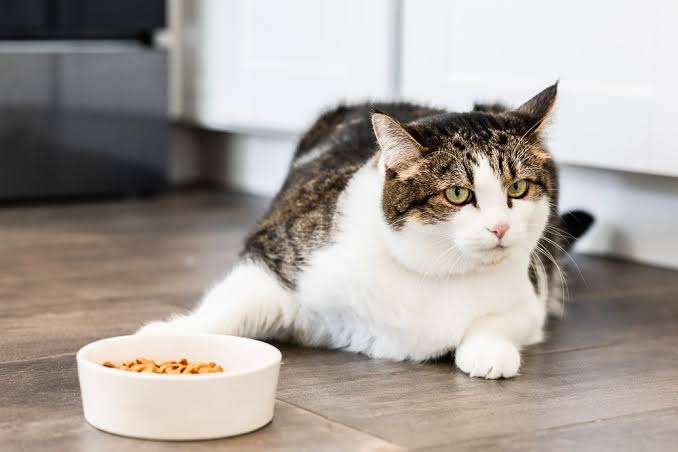
Why is my cat not eating? A cat that suddenly refuses food may have a simple problem such as stress, a food preference, or an unpleasant feeding environment. However, loss of appetite can also be an early sign of dental disease, infection, digestive problems, kidney disease, pancreatitis, pain, or another medical condition.
Cats should not be left without food for long periods. Prolonged appetite loss can contribute to serious complications, including hepatic lipidosis (fatty liver disease), particularly in overweight cats.
This guide explains the most common reasons a cat may stop eating, what you can safely try at home, and when your cat needs veterinary attention.
Why Is My Cat Not Eating?
A cat may stop eating for many different reasons. Some are related to food or the environment, while others are caused by an underlying health problem.
The most common possibilities include:
- Dental or mouth pain
- Stress or anxiety
- Sudden changes in food
- Nausea or digestive problems
- Infections
- Kidney or liver disease
- Pancreatitis
- Diabetes
- Pain elsewhere in the body
- Medication side effects
- Difficulty smelling food
- Problems chewing or swallowing
- Gastrointestinal obstruction
- Exposure to toxins
- Cancer and other serious diseases
Veterinary sources emphasize that appetite loss is a clinical sign rather than a disease by itself, so finding the underlying cause is important.
1. Dental Problems Can Make a Cat Stop Eating
Dental disease is a common reason a cat may want to eat but have difficulty doing so.
Problems such as gingivitis, stomatitis, periodontal disease, painful teeth, or mouth injuries can make chewing uncomfortable.
A cat with mouth pain may:
- Approach the food bowl but walk away
- Chew on one side of the mouth
- Drop food while eating
- Prefer soft food
- Drool excessively
- Paw at its mouth
- Have bad breath
- Cry or appear uncomfortable while eating
This type of appetite problem is sometimes called pseudo-anorexia because the cat may still feel hungry but cannot comfortably eat.
2. Your Cat May Be Stressed
Cats can be sensitive to changes in their surroundings.
Stressful events that may affect appetite include:
- Moving to a new home
- Introducing another cat or dog
- New people in the household
- Construction or loud noises
- Traveling
- Boarding
- Changes in routine
- Moving the food bowl
- Conflict with another household cat
- Loss of a companion
Stress can cause some cats to become withdrawn and lose interest in food. However, it is important not to automatically assume that stress is the cause because medical conditions can produce similar behavior.
3. Your Cat Does Not Like the New Food
Cats can be very particular about food.
A sudden switch in:
- Brand
- Flavor
- Protein source
- Texture
- Smell
- Temperature
- Wet versus dry food
may cause a cat to refuse a meal.
If your veterinarian has not prescribed an immediate dietary change, gradually transitioning between foods can make the change easier for your cat.
4. The Feeding Area May Be the Problem
The location of the food bowl can affect whether a cat feels comfortable eating.
Cats may avoid food if their bowl is:
- Beside a litter box
- In a noisy location
- In a busy hallway
- Too close to another animal
- In an area where they feel threatened
- Dirty or contaminated with old food
Cornell recommends providing cats with a quiet feeding area away from distractions and other animals.
Try moving the food to a calm area where your cat can eat without interruption.
5. Nausea Can Cause Appetite Loss
A nauseated cat may refuse food even when it normally enjoys eating.
Nausea may occur with:
- Gastrointestinal disease
- Kidney disease
- Liver disease
- Pancreatitis
- Infections
- Medication effects
- Toxin exposure
- Other systemic illnesses
Vomiting, drooling, repeated swallowing, lip licking, or turning away from food can accompany nausea.
If appetite loss occurs together with repeated vomiting or significant weakness, veterinary evaluation is important.
6. Your Cat May Have an Infection
Infections can cause appetite loss because the cat may feel weak, feverish, nauseated, congested, or generally unwell.
Depending on the cause, other signs can include:
- Fever
- Sneezing
- Nasal discharge
- Eye discharge
- Coughing
- Vomiting
- Diarrhea
- Lethargy
- Dehydration
A cat that stops eating while showing signs of illness should be assessed by a veterinarian.
7. Respiratory Problems Can Reduce Appetite
Cats often rely on their sense of smell to make food appealing.
If your cat has nasal congestion, respiratory disease, or another condition affecting its ability to smell, food may become less attractive.
A congested cat may approach food but show little interest because it cannot smell it normally.
8. Pain Can Make a Cat Stop Eating
Pain anywhere in the body can reduce appetite.
Possible sources include:
- Dental pain
- Arthritis
- Injuries
- Abdominal pain
- Back pain
- Urinary problems
- Post-surgical pain
- Internal disease
Cats are particularly good at hiding pain, so a change in eating behavior can sometimes be one of the first noticeable signs.
9. Kidney Disease Can Affect Appetite
Kidney disease is one of the medical conditions associated with appetite loss in cats.
A cat with kidney problems may also show:
- Increased thirst
- Increased urination
- Weight loss
- Vomiting
- Weakness
- Dehydration
- Poor appetite
These signs require veterinary evaluation because appetite loss alone cannot identify the underlying disease. Cornell lists kidney disease among the conditions associated with feline anorexia.
10. Liver Disease Can Cause Loss of Appetite
Liver problems can affect a cat’s appetite and general health.
One particularly important condition is hepatic lipidosis, commonly called fatty liver disease.
When a cat stops eating, especially an overweight cat, the body can mobilize stored fat. Excessive fat accumulation in the liver can interfere with normal liver function.
Possible warning signs include:
- Loss of appetite
- Weight loss
- Weakness
- Vomiting
- Lethargy
- Yellow discoloration of the gums, eyes, or skin
Jaundice or yellow coloration requires prompt veterinary attention.
11. Pancreatitis May Cause Appetite Loss
Pancreatitis is inflammation of the pancreas and can cause cats to eat less or stop eating.
Some affected cats may also show:
- Lethargy
- Vomiting
- Weight loss
- Dehydration
- Abdominal discomfort
Because pancreatitis can have different presentations in cats, veterinary examination and appropriate testing may be necessary.
12. Gastrointestinal Problems Can Stop a Cat From Eating
Digestive disorders can cause appetite loss.
Potential problems include:
- Constipation
- Gastroenteritis
- Inflammatory bowel disease
- Intestinal parasites
- Foreign-body obstruction
- Stomach ulcers
- Other intestinal disorders
Digestive disease may also cause vomiting, diarrhea, abdominal discomfort, dehydration, or changes in bowel movements.
A suspected intestinal blockage is an emergency because it may require immediate treatment.
13. Constipation Can Reduce Appetite
A constipated cat may eat less because it feels uncomfortable.
Look for:
- Repeated trips to the litter box
- Straining
- Small, hard stools
- No bowel movement
- Vomiting
- Abdominal discomfort
- Lethargy
Severe constipation can be associated with significant illness and should be evaluated by a veterinarian.
14. Your Cat May Have Difficulty Swallowing
Some cats appear interested in food but cannot eat normally because of problems affecting the mouth, throat, jaw, or nervous system.
You may notice:
- Repeated attempts to eat
- Dropping food
- Drooling
- Difficulty chewing
- Difficulty swallowing
- Gagging
- Turning away from food
This is different from simply being a picky eater and should be investigated.
15. Medication Can Affect Appetite
Some medications can cause nausea or appetite changes.
If your cat stopped eating after starting a new medication, contact your veterinarian. Do not stop a prescribed medication on your own unless your veterinarian tells you to.
16. Your Cat May Have Been Exposed to a Toxin
Some poisonous substances can cause appetite loss along with vomiting, drooling, weakness, tremors, abnormal behavior, or other symptoms.
If you suspect your cat has eaten or contacted something toxic, seek emergency veterinary advice immediately rather than waiting for appetite to return.
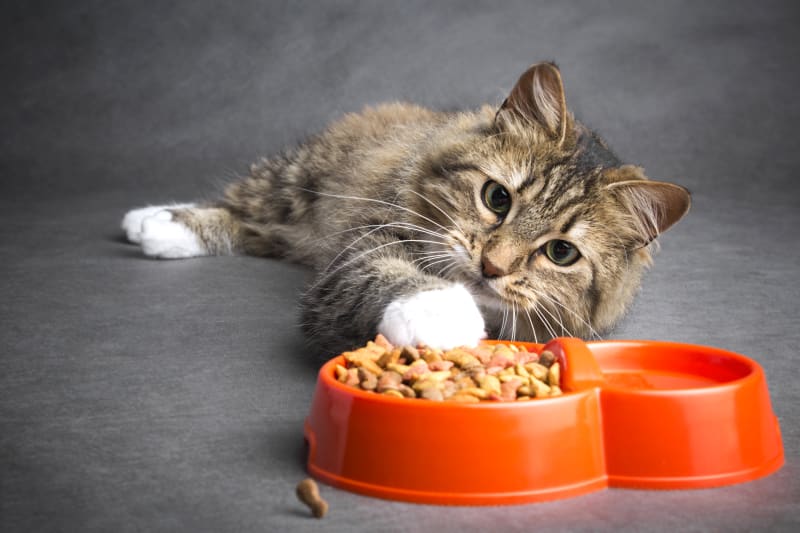
Is My Cat Being Picky or Is Something Wrong?
Some cats genuinely are selective about food. However, it is safer to investigate a sudden appetite change before assuming that your cat is simply being picky.
A cat that suddenly refuses a food it normally enjoys may have an underlying problem.
VCA recommends ruling out medical causes before labeling a cat a picky eater.
What Can I Do If My Cat Is Not Eating?
If your cat has only recently become reluctant to eat and is otherwise alert, comfortable, and behaving normally, you can try making the feeding environment more appealing while monitoring closely.
Offer Fresh Food
Provide fresh, appropriate cat food rather than food that has been sitting out for an extended period.
Try Wet Food
Some cats find wet food more appealing because of its aroma and texture. It can also contribute to water intake.
Warm Wet Food Slightly
Gently warming wet food can make its smell stronger and may encourage some cats to eat.
Never serve food that is hot.
Keep the Feeding Area Quiet
Move the food bowl away from loud noises, heavy traffic, other animals, and the litter box.
Clean the Food Bowl
Dirty bowls can discourage some cats from eating.
Wash food and water bowls regularly.
Offer Small Portions
A large portion may be overwhelming to a nauseated cat. Small amounts may be easier to approach.
Provide Fresh Water
Always make clean, fresh water available.
Cats can become dehydrated when they are not eating, especially if vomiting or diarrhea is also present.
Should I Force My Cat to Eat?
Do not force-feed your cat unless a veterinarian specifically instructs you to do so.
Forcing food into a cat’s mouth can increase food aversion and can create a risk of aspiration, meaning food can accidentally enter the airway.
If nutritional support is necessary, your veterinarian can recommend the safest approach.
How Long Can a Cat Go Without Eating?
There is no universal “safe” number of days.
Cornell notes that sustained appetite loss can seriously affect a mature cat in as little as 24 hours, while food avoidance for around 12 hours can be life-threatening for kittens younger than six weeks.
This does not mean every adult cat will become critically ill after exactly 24 hours. Age, body condition, health status, hydration, and the underlying cause all matter.
The important point is that you should not intentionally wait several days to see whether a cat starts eating again.
For more information, link this section to your separate article:
How Long Can a Cat Go Without Eating?
When Should I Take My Cat to the Vet?
Contact a veterinarian promptly if your cat’s appetite has significantly decreased or stopped.
Veterinary attention is especially important if your cat:
- Has refused food for about 24 hours
- Is losing weight
- Is overweight and suddenly stops eating
- Is vomiting
- Has diarrhea
- Is extremely tired or weak
- Is dehydrated
- Has mouth pain
- Has difficulty chewing
- Has difficulty swallowing
- Has breathing problems
- Has yellow eyes or gums
- Has pale gums
- Is experiencing significant pain
- Has changes in urination
- Has a swollen or painful abdomen
- May have eaten something toxic
- May have swallowed a foreign object
A very young kitten should not be treated like an adult cat. Kittens have greater nutritional needs and smaller energy reserves, so appetite loss can become dangerous much faster.
What Will the Veterinarian Check?
Because appetite loss has so many possible causes, your veterinarian will first try to determine why the cat is not eating.
The examination may include:
- Weight measurement
- Temperature
- Hydration assessment
- Examination of the mouth and teeth
- Abdominal examination
- Heart and respiratory assessment
- Blood tests
- Urine tests
- Fecal testing
- X-rays
- Ultrasound
- Other diagnostic tests when appropriate
VCA notes that diagnostic testing can include blood work, electrolytes, X-rays, ultrasound, and other investigations depending on the examination findings.
How Is a Cat That Is Not Eating Treated?
Treatment depends on the underlying cause.
For example, a veterinarian may treat:
- Dental disease
- Infection
- Pain
- Nausea
- Dehydration
- Constipation
- Pancreatitis
- Kidney disease
- Liver disease
- Gastrointestinal disease
- Parasites
- Other medical conditions
In some situations, a veterinarian may prescribe medication to control nausea or stimulate appetite. Nutritional support may also be necessary when a cat cannot eat adequately on its own.
Why Is It Especially Dangerous for an Overweight Cat Not to Eat?
An overweight cat that suddenly stops eating can be particularly vulnerable to hepatic lipidosis, or fatty liver disease.
When food intake drops dramatically, the body begins using stored fat for energy. In susceptible cats, excessive fat can accumulate in the liver and interfere with its function.
Therefore, an overweight cat that stops eating should not be placed on a crash diet or simply left without food.
Weight loss in cats should be managed gradually with an appropriate nutritional plan and veterinary guidance.
How Can I Prevent Appetite Problems?
You cannot prevent every cause of appetite loss, but good daily habits can help you notice problems early.
Monitor Your Cat’s Normal Eating Habits
Knowing how much your cat normally eats makes sudden changes easier to identify.
Maintain a Consistent Feeding Routine
Regular feeding times can make changes in appetite more obvious.
Make Dietary Changes Gradually
Avoid sudden changes whenever possible.
Keep Food Bowls Clean
Wash food and water bowls regularly.
Provide a Quiet Feeding Area
Feed cats somewhere they can eat without competition or excessive noise.
Keep Fresh Water Available
Clean, fresh water should always be accessible.
Schedule Regular Veterinary Checkups
Routine examinations can help identify dental and medical conditions before they become advanced.
Why Is My Cat Not Eating but Still Drinking Water?
A cat may continue drinking while refusing food.
This does not necessarily mean the problem is minor.
Possible causes include stress, dental disease, nausea, gastrointestinal disease, infection, kidney problems, or other medical conditions.
If your cat continues refusing food, particularly if it is also losing weight or behaving differently, contact your veterinarian.
Why Is My Cat Not Eating but Acting Normal?
Some cats may initially appear normal after their appetite decreases.
A cat may still walk around, drink water, groom itself, or interact with its owner even though it is eating much less than usual.
However, cats can hide illness remarkably well. A sudden change in eating habits should therefore be monitored closely rather than dismissed simply because the cat seems normal.
Why Is My Cat Not Eating Dry Food but Eating Wet Food?
If your cat eats wet food but refuses dry kibble, dental pain, texture preference, or difficulty chewing may be involved.
Some cats simply prefer wet food, but a sudden change in preference can be significant.
If your cat previously ate dry food normally and suddenly cannot chew it, a veterinary dental examination is appropriate.
Why Is My Cat Not Eating Wet Food but Eating Dry Food?
Some cats prefer the texture or smell of dry food.
If your cat is eating enough of its usual complete and balanced diet and otherwise appears healthy, preference may explain the difference.
However, if the change is sudden or accompanied by weight loss, vomiting, lethargy, or other symptoms, investigate the cause.
Why Is My Cat Not Eating After Moving?
Moving can be stressful for cats.
Give your cat a quiet room with familiar bedding, food, water, and a litter box. Keep the environment calm and allow the cat time to adjust.
If your cat continues refusing food or develops other symptoms, contact a veterinarian rather than assuming stress is the only cause.
Why Is My Cat Not Eating After a Food Change?
A sudden change in food can cause food refusal in some cats.
When a diet change is not medically urgent, gradually introducing the new food can help your cat adjust.
If your cat refuses both the old and new food, however, the problem may be more than food preference.
Why Is My Cat Not Eating and Losing Weight?
Appetite loss combined with weight loss is more concerning than a minor change in food preference.
Possible causes include dental disease, gastrointestinal problems, kidney disease, diabetes, hyperthyroidism, cancer, and other illnesses.
A cat experiencing unexplained weight loss should be examined by a veterinarian.
Why Is My Cat Not Eating and Vomiting?
Loss of appetite combined with vomiting can occur with gastrointestinal disease, pancreatitis, kidney disease, toxins, foreign objects, and other conditions.
Repeated vomiting, weakness, dehydration, abdominal pain, or inability to keep water down warrants prompt veterinary attention.
Why Is My Cat Not Eating and Hiding?
Cats often hide when they are stressed, frightened, or unwell.
If hiding is accompanied by appetite loss, weakness, vomiting, breathing problems, pain, or other behavioral changes, contact a veterinarian.
Frequently Asked Questions
Why is my cat suddenly not eating?
Sudden appetite loss can be caused by dental pain, illness, stress, food changes, nausea, pain, gastrointestinal problems, medication effects, or other medical conditions. A sudden change should be taken seriously.
How long can a cat go without eating?
There is no universally safe duration. Adult cats can develop serious health consequences from relatively short periods of food refusal, and kittens are even more vulnerable.
Should I force my cat to eat?
No, not unless your veterinarian specifically instructs you to do so. Improper force-feeding can increase food aversion and create a risk of aspiration.
Can stress cause a cat to stop eating?
Yes. Moving, changes in routine, new pets, household changes, and other stressful events can reduce appetite. Medical causes should still be ruled out when appetite loss persists.
Can dental problems cause a cat to stop eating?
Yes. Painful teeth, gums, or other mouth problems can make a cat want to eat but be unable or unwilling to chew normally.
Why is my cat drinking water but not eating?
A cat can continue drinking while experiencing an illness or another cause of appetite loss. Continued refusal to eat should not be ignored simply because the cat is drinking.
Is it dangerous if an overweight cat stops eating?
Yes. Overweight cats can be particularly susceptible to hepatic lipidosis when food intake falls significantly.
Why is my kitten not eating?
Kittens may stop eating because of stress, illness, parasites, mouth problems, difficulty transitioning to solid food, or inadequate nutrition. Very young kittens can deteriorate quickly and need prompt veterinary attention.
What can I give my cat that won’t eat?
You can offer its familiar, appropriate cat food and make the feeding environment quiet and comfortable. Slightly warming wet food may make it more appealing. Avoid giving medications, supplements, or unusual human foods as a substitute for veterinary care.
Conclusion
Why is my cat not eating? There is no single answer because appetite loss can have many causes, ranging from stress and food preferences to dental disease and serious medical conditions.
If your cat suddenly stops eating, first consider recent changes such as a new food, a stressful event, or a change in the feeding environment. At the same time, watch carefully for signs of pain or illness.
Do not assume that a cat is simply being picky if the change is sudden or persistent. Cats can develop serious complications when they do not receive enough nutrition, including hepatic lipidosis (fatty liver disease).
Provide fresh, appropriate food and clean water, keep the feeding area calm, and avoid force-feeding unless instructed by a veterinarian.
Most importantly, a cat that refuses food deserves attention. If the appetite loss persists, the cat is losing weight, or other symptoms are present, veterinary evaluation can help identify the cause and begin appropriate treatment.