
The Complete Guide to Preparing Your Home for a New Kitten
Bringing home a new kitten is one of life’s most exciting experiences. Whether you’ve adopted your first feline companion or you’re expanding your furry family, preparing the perfect Kitten Home is the first step toward giving your new pet a healthy, safe, and loving environment.
A kitten’s first few days in a new home can shape its confidence, behavior, and overall well-being. Everything from choosing the right food and litter box to providing interactive toys and regular veterinary care contributes to a positive start. While kittens are naturally curious and playful, they also depend on their owners to create a secure environment where they can explore safely and develop healthy habits.
This comprehensive guide serves as the ultimate Kitten Home checklist, covering every essential supply and preparation you need before your kitten arrives. Whether you’re purchasing supplies for a purebred kitten or a rescued companion, this guide will help you create the ideal home for your newest family member.

Why Every Kitten Home Needs Proper Preparation
Many first-time cat owners underestimate how much preparation goes into welcoming a kitten. Although kittens are small, they require a carefully planned environment that supports their rapid growth and development.
A well-prepared Kitten Home provides:
- A safe environment free from hazards
- Proper nutrition for healthy growth
- Comfortable sleeping spaces
- Opportunities for exercise and enrichment
- Mental stimulation
- Proper grooming routines
- Preventive healthcare
- Positive socialization experiences
Preparing in advance also reduces stress for both you and your kitten during the adjustment period.
The Essential Kitten Supplies Checklist
Before bringing your kitten home, make sure you have all the necessary supplies ready. Having everything prepared allows your kitten to settle in comfortably from day one.
Food and Water Supplies
Nutrition is one of the most important aspects of creating a healthy Kitten Home.
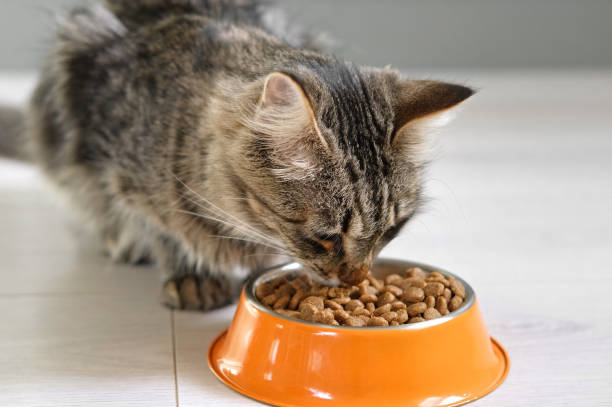
High-Quality Kitten Food
Growing kittens require significantly more nutrients than adult cats. Their bodies are developing rapidly, making proper nutrition essential during the first year of life.
Choose premium kitten food that offers:
- High-quality animal protein
- Healthy fats
- DHA for brain development
- Taurine for heart and eye health
- Essential vitamins and minerals
- Balanced calcium and phosphorus levels
Look for products specifically formulated for kittens. Read ingredient labels carefully and choose foods where real meat is listed as the first ingredient. Avoid foods filled with excessive corn, wheat, soy, artificial colors, and unnecessary fillers.
Premium kitten foods support:
- Healthy muscle growth
- Strong immune systems
- Brain development
- Healthy bones and joints
- Beautiful skin and coat
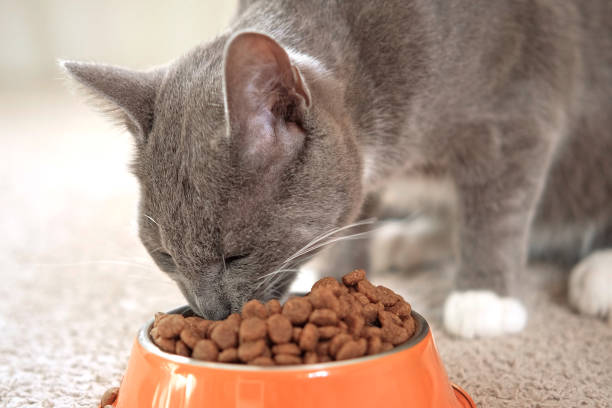
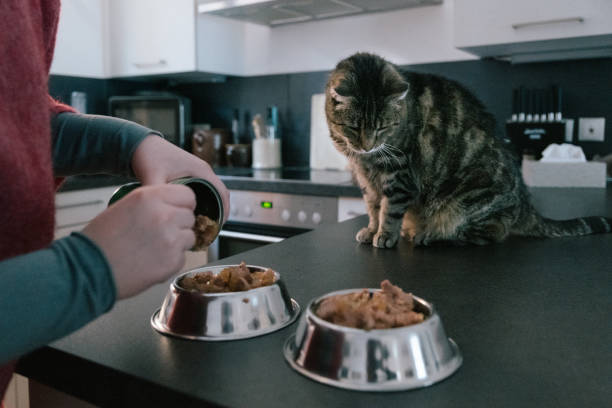
Wet Food vs. Dry Food
Many veterinarians recommend feeding a combination of wet and dry food.
Benefits of wet food include:
- Increased moisture intake
- Easier chewing
- Strong aroma that encourages eating
Benefits of dry food include:
- Convenient storage
- Longer shelf life
- Supports dental health through chewing
Combining both can provide excellent nutritional balance while encouraging healthy eating habits.
Fresh Water
Hydration is equally important.
Always provide clean, fresh water in multiple locations throughout your Kitten Home.
Choose:
- Stainless steel bowls
- Ceramic bowls
- Wide dishes that prevent whisker fatigue
Some kittens naturally prefer moving water. Investing in a pet water fountain can encourage better hydration while keeping water cleaner throughout the day.
2. Litter Box Essentials
A clean litter area is one of the foundations of every successful Kitten Home.
Choosing the Right Litter Box
Your kitten’s litter box should be:
- Low enough for easy entry
- Spacious enough to turn around comfortably
- Easy to clean
- Placed in a quiet location
Avoid placing litter boxes near food and water bowls.
Many new owners begin with non-clumping litter because it is generally safer if accidentally ingested by curious young kittens.
Litter Box Placement
Location matters.
Choose quiet areas that are:
- Easy to access
- Away from noisy appliances
- Free from heavy foot traffic
- Well ventilated
Consistency helps kittens learn quickly.
Litter Scoop
Daily cleaning keeps the litter box inviting.
Benefits include:
- Reduced odor
- Better hygiene
- Lower risk of accidents
- Easier monitoring of your kitten’s health
Changes in urine or stool can sometimes be the first sign of illness.
Litter Box Training Tips
Fortunately, most kittens instinctively use litter boxes.
Help reinforce good habits by:
- Placing your kitten in the litter box after meals
- Praising successful use
- Keeping the box clean
- Never punishing accidents
Patience and consistency are key during the training process.
3. Grooming Supplies
Regular grooming keeps your kitten healthy while strengthening your bond.
Every Kitten Home should include basic grooming tools.
Brushes and Combs
Different coat types require different grooming tools.
Short-haired kittens usually benefit from:
- Soft-bristle brushes
- Rubber grooming mitts
Long-haired kittens often require:
- Slicker brushes
- Wide-tooth combs
- Dematting combs
Regular brushing helps:
- Remove loose fur
- Prevent mats
- Reduce shedding
- Improve circulation
- Detect skin problems early
Starting grooming early makes lifelong coat maintenance much easier.
Nail Clippers
Tiny claws grow surprisingly fast.
Regular nail trimming:
- Prevents painful overgrowth
- Reduces accidental scratches
- Protects furniture
- Helps kittens become comfortable with handling
Always use cat-specific nail clippers and trim only the sharp tip.
Reward your kitten afterward with praise or a healthy treat.
Dental Care Supplies
Many owners overlook dental care.
Healthy mouths contribute to overall health.
Include:
- Kitten toothbrush
- Pet-safe toothpaste
- Dental treats
- Oral health supplements if recommended by your veterinarian
Beginning dental care early creates lifelong healthy habits.
4. Safety and Comfort Items
Comfort is just as important as nutrition inside your Kitten Home.
Scratching Posts
Scratching is completely natural.
It helps kittens:
- Stretch muscles
- Sharpen claws
- Mark territory
- Relieve stress
Offer multiple scratching surfaces including:
- Vertical posts
- Horizontal scratch pads
- Cardboard scratchers
- Sisal rope posts
Reward your kitten whenever they use the scratching post instead of furniture.
Cozy Bedding
Kittens sleep between 16 and 20 hours every day.
Provide a soft bed that offers:
- Warmth
- Security
- Easy washing
- Comfortable support
Some kittens also enjoy covered beds that resemble small dens.
Safe Hiding Spaces
New environments can be overwhelming.
Provide places where your kitten can retreat, including:
- Cat caves
- Small boxes
- Covered beds
- Quiet corners
Giving kittens a safe retreat helps reduce stress during the adjustment period.
5. Health and Wellness Essentials
Maintaining your kitten’s health begins from the first day they arrive.
Every responsible Kitten Home should prioritize preventive care.
Schedule a Veterinary Visit
Arrange your kitten’s first veterinary appointment within the first week.
Your veterinarian will:
- Perform a complete physical examination
- Administer vaccinations
- Discuss parasite prevention
- Recommend flea control
- Establish a vaccination schedule
- Answer nutritional questions
Regular veterinary visits help detect health concerns before they become serious.
Vaccinations
Core vaccinations typically include protection against:
- Feline Viral Rhinotracheitis
- Calicivirus
- Panleukopenia
- Rabies
Some kittens may also require additional vaccines depending on their lifestyle.
Collar and Identification
Even indoor cats should wear identification.
Choose a lightweight breakaway collar with:
- ID tag
- Contact information
- Comfortable fit
Microchipping provides permanent identification should your kitten ever become lost.
First Aid Kit
Being prepared for minor emergencies gives peace of mind.
A kitten first aid kit may include:
- Gauze
- Antiseptic wipes
- Tweezers
- Digital thermometer
- Medical gloves
- Saline solution
- Styptic powder
Always consult your veterinarian before treating injuries at home.
6. Training and Socialization
A successful Kitten Home encourages learning through positive experiences.
Training Treats
Healthy treats make training enjoyable.
Use treats to reward:
- Litter box success
- Nail trimming
- Carrier training
- Responding to their name
- Calm behavior
Choose treats formulated specifically for kittens.
Interactive Toys
Playtime supports both physical and mental development.
Excellent interactive toys include:
- Feather wands
- Balls
- Cat tunnels
- Puzzle feeders
- Battery-free moving toys
- Plush mice
- Cat springs
Interactive toys encourage natural hunting behaviors while strengthening the bond between owner and kitten.
Daily Play Sessions
Aim for at least 20 to 40 minutes of active play each day.
Benefits include:
- Preventing boredom
- Reducing destructive behavior
- Building confidence
- Supporting healthy growth
- Burning excess energy
Rotate toys regularly to keep your kitten interested.
Kitten-Proofing Your Home
One of the most overlooked aspects of preparing a Kitten Home is removing potential hazards.
Walk through your home from a kitten’s perspective.
Secure:
- Electrical cords
- Window blind strings
- Plastic bags
- Toxic plants
- Cleaning chemicals
- Human medications
- Small toys
- Coins
- Rubber bands
- Hair ties
Keep washing machines, dryers, and dishwashers closed when not in use.
Always check inside appliances before starting them.
Creating a Comfortable Sleeping Area
Your kitten needs a quiet space where they feel secure.
Choose an area that is:
- Away from loud televisions
- Protected from drafts
- Warm
- Quiet
- Easily accessible
Place soft blankets nearby and avoid frequently moving their bed.
Consistency helps kittens feel safe.

Introducing Your Kitten to Their New Home
The first day is exciting but can also be stressful.
Introduce your kitten gradually.
Start with one quiet room containing:
- Food
- Water
- Litter box
- Toys
- Scratching post
- Bed
Allow exploration at their own pace.
Avoid overwhelming your kitten with too many visitors during the first few days.
Feeding Schedule for Growing Kittens
Proper feeding schedules support healthy development.
8–12 Weeks
Feed four small meals daily.
3–6 Months
Feed three meals daily.
6–12 Months
Feed two to three meals daily.
Always consult your veterinarian if you’re unsure about portion sizes.
Common Foods to Avoid
Never feed kittens:
- Chocolate
- Onions
- Garlic
- Grapes
- Raisins
- Alcohol
- Caffeine
- Raw bread dough
- Xylitol
- Cooked bones
Many common household foods can be toxic.
Socializing Your Kitten
Positive experiences during kittenhood build confident adult cats.
Gradually introduce your kitten to:
- Family members
- Friends
- Gentle children
- Household sounds
- Grooming
- Carriers
- Veterinary handling
Keep experiences calm and rewarding.
Introducing Other Pets
If your Kitten Home already includes pets, introductions should be slow.
Tips include:
- Exchange bedding scents first.
- Feed pets near opposite sides of a closed door.
- Allow supervised meetings.
- Never force interaction.
- Reward calm behavior.
Patience prevents long-term conflicts.
Mental Enrichment
Indoor kittens thrive when mentally stimulated.
Provide:
- Cat trees
- Window perches
- Puzzle feeders
- Climbing shelves
- Rotating toys
- Interactive games
Mental enrichment reduces boredom and destructive behaviors.
Common Mistakes New Kitten Owners Make
Avoid these common mistakes:
- Feeding adult cat food too early
- Skipping vaccinations
- Using punishment
- Ignoring dental care
- Providing only one toy
- Neglecting scratching posts
- Leaving dangerous objects within reach
- Allowing unsupervised outdoor access too soon
Preparation prevents many behavioral and health issues.
Frequently Asked Questions
How long does it take a kitten to adjust?
Most kittens begin feeling comfortable within one to three weeks, although every kitten adapts at a different pace.
Do kittens need special food?
Yes. Kitten food contains the nutrients necessary for rapid growth and development.
How often should litter boxes be cleaned?
Scoop at least once daily and completely replace litter regularly according to the manufacturer’s recommendations.
Can kittens sleep in bed with their owners?
Some owners choose to allow this, but many veterinarians recommend waiting until kittens are older and fully adjusted to their new environment.
How much playtime do kittens need?
Most kittens benefit from at least 20 to 40 minutes of interactive play every day.
Why Preparation Creates the Perfect Kitten Home
Creating the ideal Kitten Home isn’t simply about purchasing supplies—it’s about building an environment where your kitten feels secure, loved, and encouraged to grow. Every item on your checklist plays an important role, from nutritious food and fresh water to scratching posts, grooming tools, interactive toys, and preventive healthcare.
By preparing your home in advance, you’re reducing stress for your kitten and making the transition smoother for everyone involved. A well-organized environment encourages healthy habits, strengthens your bond, and helps your new companion adjust quickly to family life.
Remember that every kitten has a unique personality. Some will confidently explore every room on the first day, while others may need extra patience and reassurance. Respecting your kitten’s pace while maintaining consistent routines will build trust and confidence over time.

Welcoming a kitten into your life is the beginning of an unforgettable journey filled with companionship, laughter, and unconditional love. Building the perfect Kitten Home starts with thoughtful preparation and a commitment to meeting your kitten’s physical and emotional needs.
From selecting high-quality kitten food and providing a clean litter box to scheduling veterinary care, choosing safe toys, and creating cozy sleeping spaces, every step contributes to your kitten’s happiness and long-term health. By following this complete checklist, you’ll be well-equipped to provide a nurturing home where your kitten can thrive.
Whether you’re preparing for your very first kitten or adding another feline friend to your family, investing time and care into creating the perfect Kitten Home ensures years of joyful memories, playful adventures, comforting purrs, and a lifelong bond with your beloved companion.