
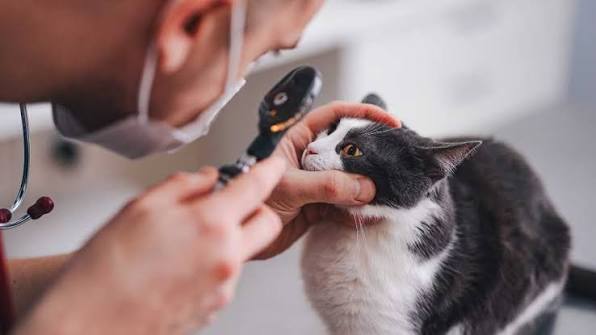
Looking for a kitten eye infection home remedy? Learn safe home care, warning signs, and when to see a vet. A kitten eye infection home remedy should focus on safe supportive care rather than trying to treat the infection with household medicines. Watery eyes, redness, swelling, squinting, or eye discharge can occur with conjunctivitis, respiratory infections, irritation, or more serious problems involving the cornea. Because kittens are particularly susceptible to infections, an eye problem should be monitored carefully and veterinary advice should be sought when symptoms are significant or persistent.
This guide explains what you can safely do at home to keep a kitten’s eyes clean and comfortable, what home remedies for kitten eye infections should be avoided, and which symptoms mean your kitten needs veterinary attention.
Important: Home care can help keep the eye clean and reduce irritation, but it should not replace veterinary diagnosis or prescribed treatment. Some eye conditions can threaten vision if treatment is delayed.
What Is a Kitten Eye Infection?
A kitten eye infection is a common inflammation or infection of the tissues surrounding the eye, most frequently affecting the conjunctiva (the pink membrane lining the inside of the eyelids). Because young kittens have developing immune systems, they are particularly susceptible to ocular infections, which can quickly escalate to corneal ulcers or vision loss if left untreated.
Common Causes
- Feline Herpesvirus-1 (FHV-1): A widespread viral infection that causes conjunctivitis, upper respiratory symptoms (sneezing, nasal discharge), and corneal ulcers.
- Feline Calicivirus (FCV): Another common virus affecting the upper respiratory tract and eyes.
- Bacterial Infections: Chlamydia felis and Mycoplasma species frequently cause severe conjunctival swelling, redness, and thick discharge.
- Neonatal Ophthalmia: Infections occurring behind unopened eyelids in newborn kittens (under 2 weeks old), causing pus build-up that traps the eyes shut.
Common Symptoms
| Symptom | Presentation |
| Discharge | Clear and watery, or thick, yellow-green pus encrusting the eyelids. |
| Swelling & Redness | Puffy, inflamed conjunctiva that may protrude or cause eyelids to stick shut. |
| Squinting or Pawing | Keeping one or both eyes held shut due to pain and light sensitivity. |
| Third Eyelid Protrusion | The membrane in the inner corner of the eye pulling partially across the eyeball. |
| Cloudiness | A hazy or white film forming over the clear cornea. |
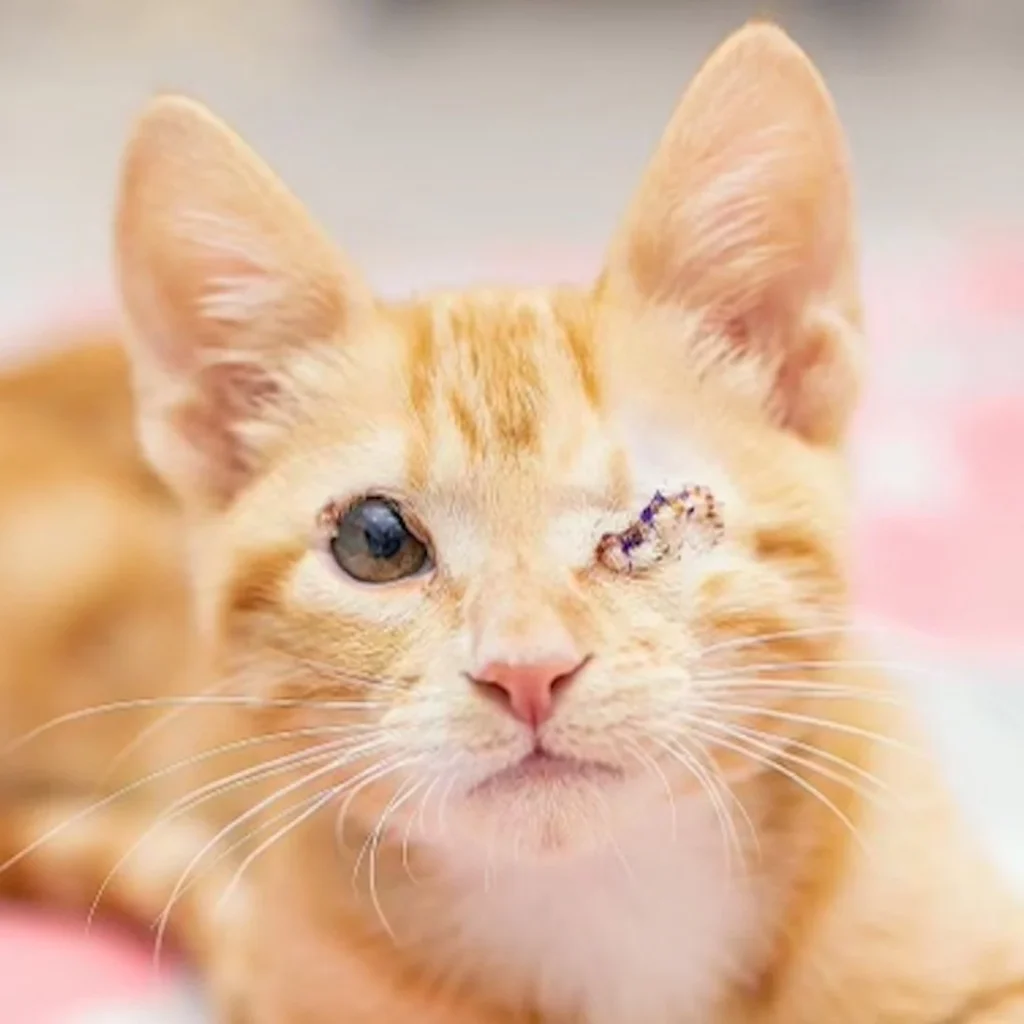
Treatment & Management
- Veterinary Care: Always consult a vet for precise diagnosis. Bacterial infections require topical antibiotic eye drops or ointments, while viral cases may need antiviral medications or L-lysine supplements.
- Warm Compresses: Gently wipe crusty discharge away using a soft cotton pad moistened with warm water or sterile saline—use a clean pad for each eye to prevent cross-contamination.
- Never Use Human Eye Drops: Medicated human drops (or leftover canine medications) can cause severe reactions or corneal damage in cats.
How to Treat a Kitten Eye Infection at Home
No, you cannot safely treat a kitten eye infection at home using over-the-counter remedies or human medications.
While you cannot fully cure or treat a kitten’s eye infection at home with over-the-counter or DIY remedies. True eye infections in kittens are almost always caused by viral conditions (like Feline Herpesvirus) or bacterial infections (like Chlamydia or Mycoplasma), which require prescription veterinary ointment or drops (such as Terramycin or Erythromycin).
Attempting home remedies—like human eye drops, tea bags, or old medication—can cause permanent scarring, blindness, or eye rupture.
However, you can safely perform immediate supportive care at home to keep the kitten comfortable while you wait to see a vet:n provide supportive care at home to keep your kitten comfortable, eye infections in kittens require a professional diagnosis and veterinary-prescribed medication—such as prescription antibiotic or antiviral eye drops.
1.Clean Away Crust and Discharge:Prevents the eye from sealing shut.
Dampen a soft cloth or cotton ball with warm water or sterile veterinary saline solution. Hold it gently against the eye for a few seconds to soften dried discharge, then wipe outward from the inner corner. Use a completely fresh cotton pad for each eye to avoid spreading bacteria.
2.Apply Steam for Respiratory Relief:Kitten eye issues usually accompany upper respiratory infections.
Bring the kitten into a closed bathroom while running a hot shower for 10–15 minutes. The humid steam helps break up nasal congestion and naturally clears eye crustiness.
3.Isolate and Keep Warm:Protects other pets and supports immunity.
Place the kitten in a warm, draft-free, low-stress room. Feline upper respiratory and eye infections are extremely contagious to other cats, so keep them quarantined with dedicated food bowls and bedding.
4.Administer Vet-Prescribed Treatment:The only way to clear the underlying infection.
Take the kitten to a veterinarian for a quick exam. Once prescribed medication, gently pull down the lower eyelid to place drops or ointment inside the pouch, ensuring the tip of the applicator never touches the eyeball directly.
Seek Emergency Care Immediately If: You notice extreme swelling, a cloudy or blue haze over the cornea, a bloody or thick yellow/green discharge, or if the kitten stops eating and becomes lethargic.
Kitten Eye Infection Treatment at Home: What You Can Safely Do
rating a kitten’s eye infection at home requires a strict balance between safe supportive care and proper veterinary medicine. Because kitten eye infections are typically caused by underlying bacteria (Chlamydia, Mycoplasma) or viruses (Feline Herpesvirus), over-the-counter remedies or human medications cannot cure them and can cause permanent damage or blindness.
However, there are several crucial steps you can safely take at home to keep the kitten comfortable, prevent complications, and administer prescribed treatments properly.
Safe At-Home Care Steps
1.Gently Clean the Eyes:Clears dried discharge and relieves pressure.
Moisten a soft cotton ball or gauze pad with warm water or sterile saline solution. Hold it softly against the kitten’s closed eye for 5–10 seconds to loosen crust. Gentle wipe from the inner corner outward.
Crucial: Use a fresh, clean cotton pad for each eye to prevent cross-contamination.
2.Use Steam Therapy:Loosens blocked nasal passages and eye crust.
Kitten eye infections frequently accompany upper respiratory issues. Bring the kitten into a steam-filled bathroom while running a hot shower for 10 to 15 minutes, 2–3 times a day. The humidity helps loosen dried secretions naturally.
3.Isolate and Keep Warm:Helps immunity and protects other pets.
Place the kitten in a warm, quiet, draft-free space with clean blankets. Feline eye infections are highly contagious to other cats, so keep the kitten quarantined until cleared by a vet.s.
4.Apply Prescribed Veterinary Medication: Follow exact dosage instructions.
Once a vet provides antibiotic ointment or drops (such as Terramycin):
- Wrap the kitten securely in a small towel (like a “burrito”).
- Gently pull down the lower eyelid to create a small pocket.
- Apply the drop or line of ointment into the lower lid without touching the applicator tip to the eye.
- Let the kitten close its eye to spread the medication evenly.
What NEVER to Do at Home
DO NOT use human eye drops (like Visine or contact lens solution)—these can cause severe chemical irritation or blood vessel damage.
DO NOT use leftover dog/cat medication or human prescription drops (especially those containing steroids), which can cause corneal ulcers to rupture.
DO NOT use tea bags, milk, or home concoctions, as they introduce unwanted bacteria into an already vulnerable eye.
Kitten Eye Discharge Home Remedy: Safe Cleaning Tips
Eye discharge in kittens is very common, often stemming from mild irritants or underlying viral/bacterial upper respiratory issues. While proper medical treatment requires a vet visit, safe home cleaning keeps the kitten comfortable, prevents eyes from sealing shut, and helps clear accumulated crust.
Step-by-Step Safe Cleaning Guide
1.Gather Safe Cleaning Supplies:Use only clean, non-irritating materials.
Prepare clean cotton balls or soft gauze pads alongside warm water or sterile, over-the-counter veterinary saline solution. Do not use paper towels (they leave abrasive fibers) or cotton swabs (they pose a risk of poking the eye).
2.Soften Dried Crust and Gunk:Never force or pick at crusty eyelids.
Moisten a cotton ball with warm (not hot) water or saline. Hold it gently against the kitten’s closed eye for 5 to 10 seconds. The warmth softens dried discharge so it wipes away effortlessly without pulling delicate skin or fur.
3.Wipe Gentle from Corner Outward:Prevents spreading debris back into the eye.
Gently wipe the eye starting from the inner corner (near the nose) moving toward the outer corner. Use light, sweeping strokes without pressing on the eyeball.
4.Switch to a Fresh Pad for the Other Eye:Crucial for preventing cross-contamination.
Always use a completely separate, clean cotton pad for the second eye. Kitten eye infections are easily transferred from one eye to the other through shared tools.
What Is Safe vs. Unsafe to Use
| Safe Remedies | Dangerous / Unsafe Items |
| Warm Water: Safe and effective for loosening crust. | Human Eye Drops (Visine, OTC remedies): Can cause blood vessel damage or severe stinging. |
| Sterile Saline Solution: Pure, buffered saline (without additives) is gentle on tissues. | Tea Bags or Herbal Washes: Can introduce fungal spores, plant debris, or bacteria into the eye. |
| Warm Steam: Helps clear clogged nasal passages and eye discharge naturally. | Leftover Prescription Drops: Medicated drops (especially steroid-based) can cause corneal ulcers to rupture. |
When to Call the Vet: Cleaning is supportive care, not a cure. Contact a vet if you notice green/yellow pus, extreme swelling, a cloudy or film-covered eyeball, or if the kitten squints continuously and seems in pain.
How to Treat Kitten Eye Infections Safely
Treating a kitten eye infection safely involves immediate supportive home care to manage symptoms alongside veterinary treatment to address the underlying cause.
1.Seek a Veterinary Diagnosis:Crucial for preventing permanent eye damage.
Kitten eye infections are typically caused by viral conditions (Feline Herpesvirus) or bacterial infections (Chlamydia, Mycoplasma). A vet must evaluate the eye to prescribe specific antibiotic ointments (like Terramycin) or antivirals. Never use human drops or leftover pet medications, as steroid-based drops can cause corneal ulcers to rupture.
2.Clean Discharge with a Warm Compress:Prevents the eyelids from sealing shut.
Moisten a soft cotton ball or gauze pad with warm water or sterile saline. Hold it gently against the closed eye for 5–10 seconds to soften dried crust. Wipe gently from the inner corner outward. Always use a separate, fresh pad for each eye to prevent cross-contamination.
3.Apply Prescribed Medication Safely:Protects the eyeball during administration.
Wrap the kitten securely in a towel (“burrito style”). Gently pull down the lower eyelid to reveal the small pouch underneath. Squeeze a small ribbon of prescribed ointment or drop into the lower lid without letting the tube tip touch the eye. Allow the kitten to blink to spread the medication evenly.
4.Provide Supportive Care and Isolation:Helps clear respiratory symptoms and protects other pets.
Eye infections often accompany upper respiratory issues. Place the kitten in a warm, quiet room away from other pets. Run a hot shower and let the kitten sit in the steamy bathroom for 10–15 minutes to help clear congested nasal passages and eyes naturally.
When to Seek Immediate Emergency Care:
- The eye is swollen shut or bulging
- A cloudy, blue, or white film appears over the eyeball
- Thick green or yellow pus accumulates rapidly
- The kitten is lethargic, feverish, or refusing to eat
Eye Infection in Kittens: When Home Care Is Not Enough
While gentle cleaning with warm water can provide temporary relief, kitten eye infections frequently progress beyond what home care can manage. Because kittens have delicate, developing immune systems, delays in proper treatment can lead to permanent vision loss, corneal scarring, or even surgical removal of the eye.
Warning Signs: When to See a Vet Immediately
If you notice any of the following symptoms, home cleaning is no longer sufficient and immediate veterinary intervention is required:
- Cloudy, Bluish, or Milky Eyeball: Indicates a corneal ulcer or deep inflammation inside the eye.
- Eye Swollen Shut or Bulging: Signifies severe tissue swelling, fluid accumulation, or high intraocular pressure.
- Thick Green or Yellow Pus: Points to a heavy, secondary bacterial infection requiring prescription topical antibiotics.
- Constant Squinting or Pawing: Shows the kitten is in significant pain and risking further self-trauma to the cornea.
- Third Eyelid Exposure: A membrane pulled across the eye indicates severe systemic illness, dehydration, or pain.
- Systemic Symptoms: Refusal to nurse/eat, lethargy, fever, or heavy, labored breathing.
Common Underlying Causes That Require Prescription Care
| Cause | Key Symptoms | Why Home Care Isn’t Enough |
| Feline Herpesvirus (FHV-1) | Clear-to-cloudy eye discharge, sneezing, nasal congestion. | Requires specialized antiviral drops, L-lysine support, or systemic medication during flare-ups. |
| Chlamydia felis / Mycoplasma | Severe redness, swelling of the inner lid (chemosis), thick yellow discharge. | Highly contagious bacterial infection requiring specific prescription antibiotics like Terramycin or oral doxycycline. |
| Corneal Ulcers | Cloudiness, squinting, visible scratch or pit on the eye surface. | Emergency: Steroids or incorrect home drops will cause the ulcer to deepen and rupture the eyeball. Needs diagnostic stain testing and tailored healing ointments. |
| Neonatal Ophthalmia | Infection trapped behind sealed eyelids in kittens under 2 weeks old. | A veterinarian must carefully separate the fused eyelids to drain trapped pus and save the kitten’s sight. |
What to Expect at the Veterinary Visit
- Fluorescein Stain Test: The vet applies a temporary, fluorescent orange dye to detect scratches or corneal ulcers under a blue light.
- Prescription Ophthalmic Medication: Targeted antibiotic ointments (like Terramycin or Erythromycin) or antiviral drops will be prescribed.
- Elizabethan Collar (Cone): A small cone may be fitted to prevent the kitten from scratching its eye while it heals.
When Should You Take Your Kitten to a Vet?
Take your kitten to the vet for routine preventive care (initial checkups, vaccinations, and spay/neuter) or immediately if they show red-flag warning signs. Because kittens have delicate immune systems and minimal fat reserves, minor health issues can turn critical within hours.
Routine & Preventive Care Timeline
- First Checkup (Within 24–48 hours of arrival): General wellness exam, fecal test for parasites, microchipping, and FeLV/FIV screening.
- Core Vaccines (6–16 weeks old): Booster shots given every 3 to 4 weeks for FVRCP (Feline Viral Rhinotracheitis, Calicivirus, Panleukopenia) and Rabies (usually at 12–16 weeks).
- Deworming & Flea Prevention: Started early based on weight and age during monthly visits.
- Spay / Neuter (4–6 months old): Recommended before reaching sexual maturity.
Emergency Warning Signs (Go to the Vet Immediately)
Kittens require urgent veterinary care if they exhibit any of the following emergency symptoms:
| Red Flag Symptom | Potential Risk |
| Refusal to Eat / Loss of Appetite | Skipping meals for 12+ hours causes dangerous hypoglycemia (low blood sugar) in young kittens. |
| Vomiting or Severe Diarrhea | Leads to rapid, life-threatening dehydration and electrolyte imbalance. |
| Eye Swelling, Cloudiness, or Pus | Indicates severe infections, ulcers, or pressure that can cause permanent blindness. |
| Difficulty Breathing or Open-Mouth Breathing | Signifies severe respiratory distress, pneumonia, or fluid in the lungs. |
| Lethargy or Unresponsiveness | Extreme weakness, limp body, or inability to stand. |
| Straining to Urinate | Blocked urinary tract or severe urinary infection (a medical emergency). |
| Trauma or High Falls | Suspected fractures, internal bleeding, or head injuries. |
Tip: If you are ever uncertain, call your local veterinary clinic or an emergency animal hospital. They can quickly assess your kitten’s symptoms over the phone and advise whether immediate evaluation is needed.
Can I Use Salt Water for a Kitten’s Eye Infection?
No, you should not use homemade salt water to treat a kitten’s eye infection.
While plain saline solutions are used in medical settings, mixing table salt and tap water at home poses serious risks to a kitten’s eyes and will not cure the underlying infection.
Risks of Homemade Salt Water
- Incorrect Salt Ratios: Mixing too much salt creates a hypertonic solution that draws moisture out of the eye, causing severe stinging, pain, and inflammation.
- Corneal Damage: Un-dissolved salt grains or tap water impurities can scratch the delicate cornea or introduce harmful bacteria, worsening the condition.
- Salt Water Does Not Kill Ocular Pathogens: Feline eye infections are usually caused by viruses (like Feline Herpesvirus-1) or specific bacteria (Chlamydia felis, Mycoplasma) that require targeted prescription antibiotic or antiviral eye drops to clear.
Safe Alternatives for Cleaning the Eyes
If your kitten’s eyes are crusty or stuck shut, you can safely clean them at home using:
- Over-the-Counter Sterile Saline Solution: Use an unmedicated, sterile 0.9% sodium chloride saline solution (such as plain sterile saline contact solution or eyewash) applied to a soft cotton ball.
- Warm Water: Soak a clean cotton ball or microfiber cloth in warm tap water. Gently hold it against the encrusted eye for a few seconds to soften dried discharge, then wipe gently outward. Use a fresh cotton ball for each eye to avoid spreading pathogens.
Next Steps
Cleaning with warm water or sterile saline only provides temporary comfort—it will not cure an infection. Schedule an appointment with a veterinarian to get a proper diagnosis and the correct prescription eye drops to prevent permanent corneal scarring or vision loss.
Can I Use Human Eye Drops on a Kitten?
No, you should never use human eye drops on a kitten.
Human medications can cause severe ocular damage, chemical burns, or even systemic toxicity in cats. Treating a kitten’s eye issues requires a diagnosis and prescription medication from a veterinarian.
Why Human Eye Drops Are Dangerous for Feline Use
- Redness-Relieving Drops (e.g., Visine): Contain vasoconstrictors (like tetrahydrozoline) that shrink blood vessels. If absorbed through the tear duct or ingested when the kitten grooms, these chemicals can cause dangerous drops in heart rate, low blood pressure, or seizures.
- Medicated Human Antibiotic or Steroid Drops: Human formulations often have active ingredients or concentrations that are toxic to felines. Using steroid eye drops on a kitten with a corneal ulcer (a common scratch or tear caused by herpesvirus) can cause the cornea to melt, leading to permanent blindness or loss of the eye.
- Preservatives: Many over-the-counter human drops contain preservatives (such as benzalkonium chloride) that cause intense stinging, inflammation, and allergic reactions on delicate feline ocular tissue.
Safe Steps to Comfort Your Kitten
While waiting for a veterinary appointment, you can safely clean and soothe the area:
- Flush or Clean with Sterile Saline: Use an unmedicated, sterile 0.9% sodium chloride saline solution (labeled strictly as a plain eyewash) applied to a soft cotton ball.
- Wipe Away Crust: Soak a clean cotton ball or cloth in warm water. Gently hold it against the eye to soften dried discharge, then wipe gently outward. Use a fresh cotton ball for each eye to prevent spreading infection between them.
- Prevent Scratching: If the kitten is constantly pawing at their face, place a soft Elizabethan collar (E-collar) on them to avoid self-trauma.
When to Seek Urgent Veterinary Care
Contact a veterinarian immediately if you notice:
- The eye is swollen shut, bulging, or cloudy/milky.
- Visible scratches, craters, or a bluish film on the eyeball.
- Constant squinting, crying, or heavy yellow/green pus.
Can I Use Antibiotic Eye Drops at Home?
No, you cannot safely use antibiotic eye drops at home without an explicit prescription from a veterinarian for that specific instance.
Antibiotic eye drops are prescription-only medications, and using leftover drops from a previous illness, human antibiotic drops, or drops prescribed for another pet carries serious health risks.
Why Unprescribed Antibiotic Eye Drops Are Dangerous
- Not All Eye Infections Are Bacterial: Antibiotics only target bacteria. Many kitten eye issues are caused by viral infections (like Feline Herpesvirus-1), foreign bodies, or physical scratches. Antibiotics will not treat a virus and can cause unnecessary drug resistance.
- Steroid Combination Risks: Many veterinary and human antibiotic drops also contain anti-inflammatory steroids (such as neomycin/polymyxin/dexamethasone). Applying a steroid to an eye with a corneal ulcer can cause the cornea to erode, rupture, or melt, leading to permanent blindness or loss of the eye.
- Toxicity and Allergic Reactions: Certain common human and canine antibiotic drops (such as those containing triple antibiotics) can trigger severe allergic reactions or anaphylaxis in cats.
Safe Steps to Take at Home
While you wait for a veterinary appointment, you can safely soothe your kitten’s eye:
- Clean Away Crust: Soak a fresh cotton ball or soft cloth in warm water or unmedicated, sterile 0.9% sodium chloride saline solution. Hold it against the closed eye to soften dried discharge, then wipe gently from the inner corner outward.
- Prevent Cross-Contamination: Always use a fresh cotton ball for each eye to avoid spreading pathogens between them.
- Use a Soft E-Collar: If the kitten is pawing or rubbing at their face, put a cone/E-collar on them to prevent them from scratching their cornea.
Kitten Eye Infection and Upper Respiratory Infection
Eye problems in kittens can occur together with respiratory infections.
A kitten with an upper respiratory infection may have:
Sneezing
Runny nose
Watery eyes
Eye discharge
Conjunctivitis
Reduced appetite
Lethargy
Feline herpesvirus and calicivirus are among the infectious causes associated with respiratory and eye symptoms.
If several kittens in the same household develop similar symptoms, infection may be spreading between them.
When Is a Kitten Eye Infection an Emergency?
A kitten eye infection can transition from a minor issue to a sight-threatening crisis within hours. Because a kitten’s immune system and ocular structures are so delicate, certain symptoms indicate an urgent medical emergency that requires immediate care from an emergency veterinarian or a clinic visit the same day.
Critical Signs requiring Immediate Emergency Care
Seek emergency veterinary treatment right away if you observe any of these severe ocular or systemic symptoms:
- Bulging or Enlarged Eyeball: The eye appears pushed forward out of the socket or visibly enlarged, which can indicate glaucoma, severe orbital infection, or trauma.
- Milky, Cloudy, or Blue Film: A hazy, cloudy, or bluish discoloration over the cornea often indicates deep corneal ulceration or fluid accumulation inside the eye structure.
- Visible Hole, Crater, or Scratch on the Eye: A visible indentation or scratch on the clear surface of the eye (corneal ulcer) can rupture without rapid medical intervention.
- Extremely Swollen Tissue Protruding from Eyelids: The pink inner lining of the eyelid (conjunctiva) is so inflamed and swollen (chemosis) that it completely covers or pushes out past the eyeball.
- Complete Loss of Appetite or Lethargy: If an eye infection is accompanied by a kitten refusing to eat or nurse for more than 12 hours, extreme weakness, or unresponsiveness.
- Difficulty Breathing: Open-mouth panting, heavy chest heaving, or severe blue/pale gums along with eye discharge indicate a severe upper respiratory emergency.
Emergency vs. Urgent Veterinary Care
| Emergency (Seek Immediate Care) | Urgent (Schedule Appointment within 24 Hours) |
| Eyeball bulging, protruding, or enlarged | Mild to moderate squinting or keeping one eye partially closed |
| Cloudy, milky, or blue tint over the clear cornea | Clear, watery, or light yellow eye discharge |
| Visible crater, scratch, or hole on the eyeball surface | Mild redness around the eyelids without extreme swelling |
| Kitten is completely lethargic or refusing all food | Kitten is still active, nursing, and eating normally |
| Heavy green/yellow pus rapidly refilling after cleaning | Eyes encrusted shut after sleep, but clear up when wiped |
Crucial Steps While En Route to the Vet
- Do NOT Apply Human or Leftover Pet Drops: Never use over-the-counter human eye drops, Visine, or leftover medications. If a corneal ulcer is present, certain drops (especially those containing steroids) can cause the eye to rupture.
- Prevent Scratching: Place a soft Elizabethan collar (E-collar) on the kitten or gently swaddle them in a towel during transport to prevent them from rubbing or scratching their eye with their paws.
- Transport in a Dark, Quiet Carrier: Keep the transport environment dim and calm, as infected eyes are often extremely sensitive to light (photophobia).
Kitten Eye Infection in Newborn Kittens
Extra care is needed with very young kittens.
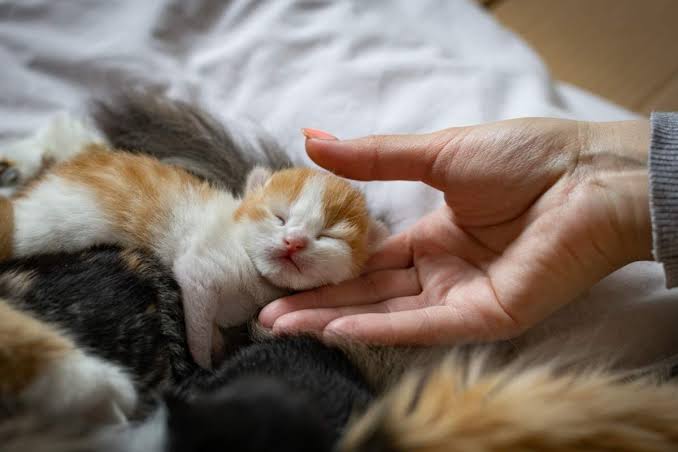
Kittens normally begin opening their eyes at approximately 7–14 days of age. If a kitten has swelling or discharge underneath its closed eyelids, an infection may be present.
VCA recommends veterinary examination when swelling or discharge is present.
Do not force a swollen eyelid open or attempt to remove material aggressively. A veterinarian can determine the safest way to examine and treat the eye.
How Veterinarians Treat Kitten Eye Infections
Treatment depends on the underlying cause.
A veterinarian may recommend:
- Prescription eye drops
- Prescription eye ointment
- Oral medication
- Antiviral treatment
- Antibiotics when a bacterial infection is suspected
- Pain management
- Treatment for an underlying respiratory infection
- Additional eye testing
For example, feline herpesvirus may require antiviral medication, while bacterial infections may require appropriate antibiotics.
This is why identifying the cause is more useful than simply treating the visible discharge.
How to Prevent Kitten Eye Infections
Although not every eye infection can be prevented, responsible kitten care can reduce certain risks.
Keep the Living Area Clean
Regularly clean bedding, feeding areas, litter boxes, and frequently touched surfaces.
Avoid Contact With Sick Cats
Some respiratory and eye infections are contagious. Keep a sick kitten separated from healthy cats when appropriate and follow veterinary advice.
Maintain Vaccinations
Vaccination can reduce the severity of certain important feline infections. Cornell notes that vaccination against feline herpesvirus is recommended for cats and can significantly reduce disease severity and viral shedding.
Schedule Veterinary Checkups
Routine veterinary examinations can help identify health problems early.
Frequently Asked Questions About Kitten Eye Infection Home Remedies
What is the safest kitten eye infection home remedy?
For mild discharge while waiting for veterinary advice, gently cleaning the area around the eye with a clean cloth dampened with warm water can help remove debris. However, this does not treat the underlying cause of an infection.
Can a kitten eye infection heal by itself?
Some cases of feline conjunctivitis can resolve without medication, but it is not possible to determine from symptoms alone whether a kitten has a simple case or a more serious eye condition. Cornell recommends veterinary evaluation when a cat has eye discomfort and discharge.
Can I use human antibiotic eye drops on my kitten?
Do not use human eye medication unless a veterinarian specifically instructs you to do so. Different eye conditions require different treatments.
Can I clean my kitten’s infected eye with warm water?
Warm water can be used to gently clean discharge from the area around the eye. Avoid rubbing the eyeball and use clean material. If the eye is painful, cloudy, swollen, or persistently producing discharge, contact a veterinarian.
Why does my kitten have yellow discharge from its eye?
Yellow or pus-like discharge can occur with conjunctivitis or other infections. A veterinarian should evaluate persistent or significant discharge to determine the cause and appropriate treatment.
How long does a kitten eye infection take to heal?
Recovery time depends on the underlying cause and treatment. Some mild cases resolve relatively quickly, while viral infections, bacterial infections, or corneal problems can require specific treatment and monitoring.
Should I separate a kitten with an eye infection from other cats?
If an infectious respiratory or eye disease is suspected, separating the affected kitten from other cats can help reduce transmission. Discuss isolation and hygiene measures with your veterinarian.
Conclusion on Kitten Eye Infection Home Care
When searching for a kitten eye infection home remedy, the safest approach is to focus on gentle supportive care rather than unproven household treatments. Keeping discharge away from the surrounding fur, maintaining a clean environment, providing food and water, and following veterinary instructions can help support a kitten while it recovers.
However, eye problems should never be taken lightly. Persistent discharge, redness, squinting, swelling, cloudiness, pain, or changes in vision can indicate a condition requiring professional treatment. Corneal problems in particular can become serious if treatment is delayed.
For Kittyverse Store, this topic can serve as an informative pet-care resource alongside your cat breed, kitten care, food, grooming, and health articles. The emphasis should remain on responsible kitten care and encouraging owners to obtain veterinary help when symptoms are concerning.
Medical disclaimer: This article provides general educational information and is not a diagnosis or substitute for veterinary care. If your kitten has an eye problem, especially if it is very young, painful, lethargic, not eating, or showing changes in the appearance of the eye, contact a qualified veterinarian.