
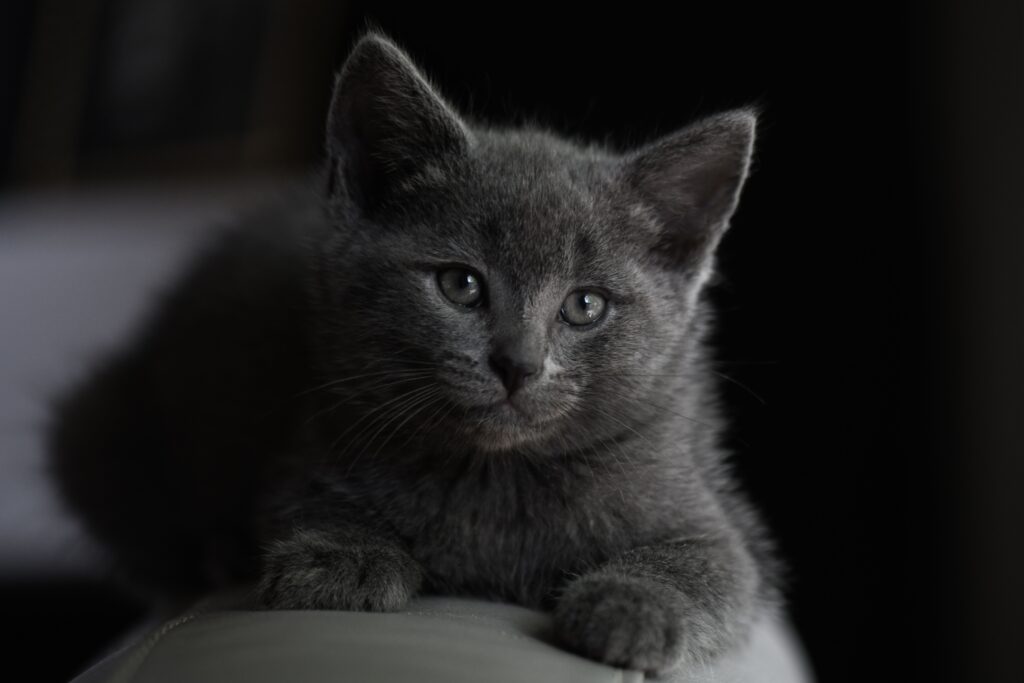
Find British Shorthair kittens for sale and learn about prices, personality, care, and what to look for before buying.. The British Shorthair Kitten is one of the most beloved cat breeds in the world, admired for its plush coat, round face, calm temperament, and affectionate personality. These adorable kittens make wonderful companions for families, couples, seniors, and first-time cat owners alike.
However, finding the perfect kitten involves much more than simply selecting the cutest face. Responsible ownership begins with understanding the breed, choosing an ethical breeder, preparing your home, and ensuring your new companion receives the care they deserve throughout their life.
This comprehensive guide covers everything you need to know about finding a British Shorthair kitten for sale, including breed characteristics, personality, pricing, health considerations, grooming, nutrition, training, and tips for choosing a reputable breeder. British shorthair kitten for sale
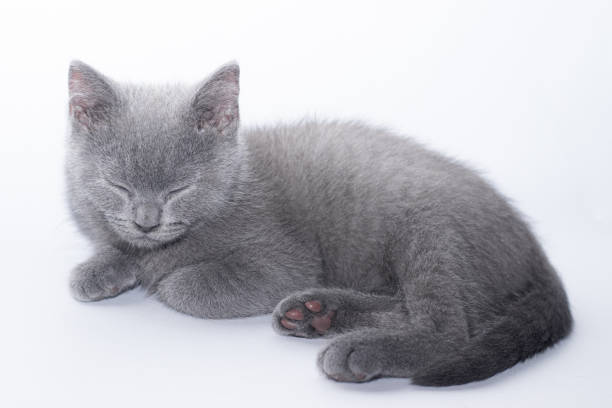
British Shorthair Kittens for Sale
Finding a healthy, purebred British Shorthair kitten involves understanding current pricing, knowing where to search safely, and identifying ethical breeders. British shorthair kitten for sale
Cost of a British Shorthair Kitten
Pricing for a British Shorthair kitten from a registered breeder typically ranges between $1,500 and $3,500+ for pet-quality kittens, with prices heavily influenced by coat color and lineage:
| Coat Variation / Quality | Average Price Range | Features |
| Classic British Blue (Grey) | $1,500 – $2,500 | Iconic plush slate-grey coat with orange/copper eyes as an adult. |
| Standard Solids & Tabbies | $1,500 – $2,500 | Black, white, cream, red, or classic mackerel/spotted tabby patterns. |
| Rare Colors (Golden Shaded, Lilac, Cinnamon) | $2,500 – $4,500+ | High-demand genetic variations; Golden Shaded kittens often feature green eyes. |
| Colorpoint | $2,500 – $4,000 | Light body with darker points (ears, face, paws) and permanent blue eyes. |
| Show / Breeding Quality | $3,500 – $6,000+ | Exceptional body structure conforming strictly to championship standards. |
What to Look for Before Buying a British Shorthair Kitten
Evaluating a British Shorthair kitten requires looking at physical health, coat genetics, temperament, and breeder credentials to ensure you get a healthy, well-socialized purebred companion.
Step 1: Evaluate Physical Health Indicators
Inspect the kitten in person or during a live video call for these clear markers of vitality and care:
| Body Area | What to Look For | Red Flags |
| Body & Build | Stocky, compact body (“cobby” build) with a broad chest, sturdy legs, and a firm, rounded belly. | Bony spine/ribs, lethargy, or a bloated potbelly (a sign of internal parasites). |
| Eyes & Nose | Bright, open, clear eyes; clean nostrils with quiet, unlabored breathing. | Discharge, tearing, third eyelid showing, frequent sneezing, or noisy breathing. |
| Coat & Skin | Short, thick, plush double coat that feels dense and crisp to the touch. | Fleas, black dander, bald spots, greasy fur, or signs of ringworm. |
| Ears & Rear | Clean inner ears with light pink skin; clean, dry rear end around the tail base. | Dark coffee-ground ear wax (ear mites), active scratching, or signs of diarrhea/staining. |
Step 2: Observe Temperament & Socialization
British Shorthairs are naturally calm and self-assured, but young kittens should still show healthy curiosity:
- Play & Energy: A healthy kitten engages actively with toys, littermates, or structural scratching posts.
- Temperament: They should appear confident and relaxed, not fearful, frantic, or aggressive when approached.
- Handling: The kitten should tolerate gentle handling, having its paws touched, and brief lap visits without extreme panic.
Step 3: Verify Breeder Health Screening & Pedigree
Ethical breeders prioritize genetic health and lineage over volume. Always request documentation for the following:
- Genetic & Health Testing (Parents):
- HCM (Hypertrophic Cardiomyopathy): Proof of recent clear echocardiogram (heart ultrasound) screens for both parents.
- PKD (Polycystic Kidney Disease): DNA testing confirming parents are negative for the mutated gene.
- Official Registration Papers: Verified registry documents from TICA (The International Cat Association) or CFA (Cat Fanciers’ Association) proving purebred status.
- Age & Medical Requirements: Kittens should never leave the breeder before 12 to 16 weeks of age, fully vaccinated (FVRCP core series), dewormed, microchipped, and often spayed/neutered.
How to Choose a Healthy British Shorthair Kitten
To choose a healthy British Shorthair kitten, evaluate physical health markers, structural conformation (breed standards), behavioral social cues, and official breeder documentation.
Step 1: Physical Health Checklist
Examine the kitten in person or during a live interactive video session to verify vitality:
| Area | Signs of a Healthy Kitten | Warning Signs / Red Flags |
| Eyes | Bright, clear, fully open, and alert. | Tearing, discharge, cloudiness, red inner lids, or frequent squinting. |
| Nose & Breathing | Clean nostrils, pink nose leather (or color matching coat), completely silent breathing. | Nasal discharge, crusting, loud breathing, or frequent sneezing. |
| Coat & Skin | Dense, plush coat with no bald patches or dander. | Greasy fur, black flea dander, bald spots, or scabs (signs of ringworm/parasites). |
| Ears | Clean, pink inner skin with minimal wax. | Dark “coffee-ground” wax, strong odor, or frequent head shaking (ear mites/infection). |
| Digestion / Rear | Firm, rounded belly; clean and dry tail base. | Bloated potbelly (worms/parasites), wetness, or diarrhea staining around the anus. |
Step 2: Body Build & Conformation
British Shorthairs are slow-growing cats (taking up to 3 years to reach full size), but even as young kittens they should display characteristic breed structure:
- Compact “Cobby” Frame: Look for a broad chest, sturdy medium-to-short legs, round paws, and a thick tail with a rounded tip.
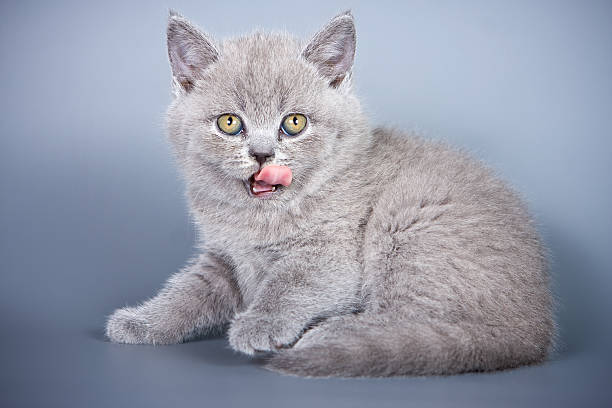
- Teddy-Bear Head: A wide, rounded skull with full chubby cheeks, small-to-medium set ears, and a broad muzzle.
- Plush Coat Texture: Their fur should be dense and firm to the touch rather than overly soft, woolly, or flat-lying.
Step 3: Behavior & Temperament
A well-adjusted British Shorthair kitten should demonstrate balanced mental health:
- Curiosity & Play: They should engage readily with wand toys, chase objects, or play with littermates.
- Self-Assured Nature: British Shorthairs are typically calm. Avoid kittens showing extreme panic, frantic hiding, or aggression when approached.
- Handling Comfort: The kitten should tolerate being picked up and having its paws and ears gently inspected without extreme distress.
Step 4: Breeder Credentials & Health Testing
Protect your investment by ensuring the cattery meets ethical standards:
- Genetic Health Screenings (Parents):
- Hypertrophic Cardiomyopathy (HCM): Request proof of recent clear cardiac ultrasound (echocardiogram) screens for both parents.
- Polycystic Kidney Disease (PKD): Request written DNA test results showing parents are negative for the PKD gene.
- Registry Documentation: Verified pedigree registration papers from recognized associations like TICA (The International Cat Association) or CFA (Cat Fanciers’ Association).
- Release Age: Responsible breeders never send kittens to new homes prior to 12 to 16 weeks of age, ensuring full core vaccination (FVRCP) coverage, deworming, and microchipping.
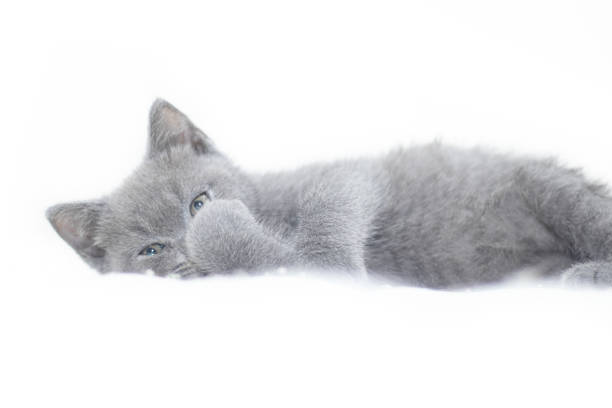
Physical Characteristics
When looking for a British Shorthair kitten for sale, it’s helpful to understand how these cats develop. British shorthair kitten for sale
Size
British Shorthairs are medium-to-large cats with powerful, muscular bodies.
Average adult weights include:
- Males: 12–18 pounds
- Females: 8–14 pounds
Unlike many breeds, British Shorthairs mature slowly and may not reach full physical development until three to five years of age.
Coat
Their thick double coat is one of their defining features. The fur feels soft, dense, and plush, giving them their famous teddy bear appearance.
Face
British Shorthairs are instantly recognizable thanks to their:
- Round head
- Full cheeks
- Broad nose
- Large, expressive eyes
- Small rounded ears
These features give them a sweet, friendly expression that appeals to cat lovers around the world.
British Shorthair Coat Colors
Although blue is the classic color, there are many beautiful variations available when searching for a British Shorthair kitten for sale.
Popular colors include:
British Blue
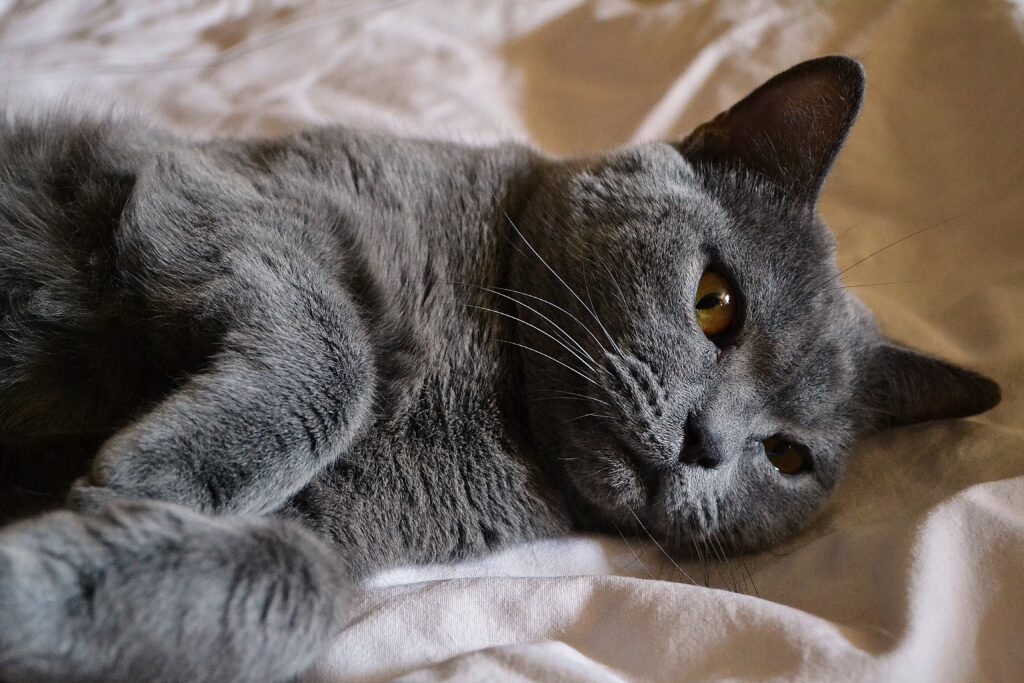
The iconic blue-gray coat paired with copper eyes is the breed’s signature look.
Black
Elegant solid black coats with striking golden or copper eyes.
White
Pure white British Shorthairs may have blue, gold, or odd-colored eyes.
Cream
A soft cream-colored coat creates a warm and gentle appearance.
Chocolate
Chocolate British Shorthairs are relatively rare and highly sought after.
Lilac
A soft lavender-gray coat that gives the cat a refined appearance.
Silver Tabby
Silver tabbies feature dramatic markings and stunning contrast.
Golden Shaded
These luxurious coats have become increasingly popular because of their rich golden coloring.
British Shorthair Kitten Personality and Temperament
British Shorthair kittens are famous for their calm, dignified, and easygoing nature. Known as the “teddy bears” of the cat world, they balance playful kitten curiosity with a grounded, non-demanding temperament that matures into a steady adult companion.
Key Personality & Temperament Traits
- Affectionate, But Not “Lap Cats”: British Shorthairs express deep loyalty through proximity. They love sitting beside you on the sofa, supervising your work from a nearby chair, or following you from room to room—but they prefer having all four paws on the ground over being carried or held in your lap.
- Calm & Even-Tempered: Unlike high-energy, demanding breeds, British Shorthairs are stoic and slow to startle. They handle household noise, visitors, and routine shifts with quiet composure.
- Independent & Self-Sufficient: They possess a healthy independent streak. While they enjoy human interaction, they adapt well to owners who work during the day, spending their solo hours napping or watching the outdoors without resorting to destructive behavior or separation anxiety.
- Quiet Communicators: They rarely vocalize loudly. Instead of constant meowing, they communicate via soft chirps, purrs, and quiet eye contact.
Temperament Development: Kittenhood to Adulthood
| Age Stage | Behavioral Profile | Activity Level |
| Kitten (2–6 Months) | Curious, inquisitive, and playful in bursts. They enjoy chasing wands, exploring, and engaging with family members. | Moderate-High (for a British Shorthair) |
| Adolescent (6–12 Months) | Begin testing boundaries while settling into household routines. Play becomes more focused and strategic. | Moderate |
| Adult (1–3+ Years) | Reach full physical and emotional maturity. Extremely laid-back, content to lounge, and easily entertained by short daily play sessions. | Low-Moderate (“Couch Potato” potential) |
British Shorthair Kitten Care and Health
Caring for a British Shorthair kitten involves supporting a cat that matures slowly—taking up to 3 to 5 years to reach full body size and muscle density—while managing a genetic predisposition toward low activity and weight gain.
1. Daily Care & Hygiene Routine
Coat Care
While British Shorthairs have short hair, their signature plush double coat is exceptionally dense.
- Brushing Frequency: Brush 1 to 2 times weekly using a stainless steel comb or rubber curry brush to remove loose undercoat and minimize hairballs. Increase to 3 times weekly during spring/fall shedding transitions.
- Bathing: Baths are rarely needed unless dirty. Their coat natural oils self-regulate well with regular combing.
Eyes & Ears
- Facial Wipe-down: Check the inner corners of the eyes weekly. Use a soft, warm damp cloth to wipe any oxidation dust (especially in colorpoint or silver variations).
- Ear Check: Inspect ears bi-weekly for dark wax buildup or odor. Clean outer ears gently with cat-safe ear wipes if needed.
Claws & Dental
- Nail Trimming: Snip sharp claw tips every 2 to 3 weeks using feline nail clippers.
- Dental Care: Introduce feline toothbrushing early (using cat-safe enzymatic toothpaste) 2 to 3 times weekly to prevent adult periodontal disease.
2. Diet & Nutrition Strategy
British Shorthairs are heavily built obligate carnivores with a slow metabolism. Overfeeding in kittenhood easily leads to adult obesity.
                 KITTEN NUTRITION MATRIX
 ┌──────────────────────┬────────────────────────────────┐
 │ Protein Minimum      │ 35% – 40% (Dry Matter Basis)    │
 ├──────────────────────┼────────────────────────────────┤
 │ Moisture Balance     │ Minimum 50% Wet Food Ratio     │
 ├──────────────────────┼────────────────────────────────┤
 │ Daily Calorie Need   │ 200 – 300 kcal (Age 3-12 mos)  │
 └──────────────────────┴────────────────────────────────┘
- High Animal Protein: Feed a growth formula where whole meat (chicken, turkey, or rabbit) is the first ingredient. Avoid kibble heavy in corn, soy, or excessive carb fillers.
- Wet Food Integration: Incorporate canned wet food daily (or 50–70% of total diet). This provides essential kidney hydration to prevent future urinary tract crystals.
- Feeding Schedule:
- 2 to 6 Months: 3 to 4 small meals daily.
- 6 to 12 Months: 2 to 3 meals daily.
- Avoid free-feeding dry kibble all day to prevent early overeating habits.
3. Preventive Health & Key Genetic Screening
British Shorthairs are a long-lived breed (12 to 20 years average lifespan), but they carry specific genetic vulnerabilities that demand breeder screening and veterinary oversight.
| Health Condition | Description & Prevention | Action Required |
| Hypertrophic Cardiomyopathy (HCM) | Inherited heart muscle thickening common in British Shorthairs (9–12% risk). | Request annual cardiac ultrasound (echocardiogram) proof for kitten parents. |
| Polycystic Kidney Disease (PKD) | Cysts form on kidneys, eventually leading to failure. Inherited from Persian outcrossing. | Require proof parents tested PKD-Negative via DNA test. |
| Feline Obesity | Low natural energy leads to excessive weight gain, stressing joints and causing diabetes. | Weigh monthly at home; adjust daily food portions based on weight curves. |
| Blood Type B Vulnerability | Higher incidence of Type B blood compared to other breeds, critical during transfusions or breeding. | Blood-type kitten if surgery or future breeding is planned. |
Preventive Vet Timeline
- 8–12 Weeks: Core FVRCP vaccination series (Feline Viral Rhinotracheitis, Calicivirus, Panleukopenia) + initial deworming.
- 12–16 Weeks: Rabies vaccination + final FVRCP booster + microchipping.
- 6–12 Months: Spay/Neuter consultation (often done around 6 months before sexual maturity).
4. Exercise & Environment Setup
Because British Shorthairs are naturally laid-back and do not self-exercise aggressively, you must encourage activity daily:
- Interactive Play: Spend 15 to 20 minutes twice daily playing with feather wands, laser toys, or chasing ping-pong balls.
- Mental Enrichment: Use puzzle feeders or treat-dispensing balls for dry kibble rather than feeding from standard bowls.
- Furniture & Climbers: Provide sturdy, wide-based scratching posts and low-to-medium climbing towers (heavy-set cats prefer wide, stable platforms over high narrow perches).
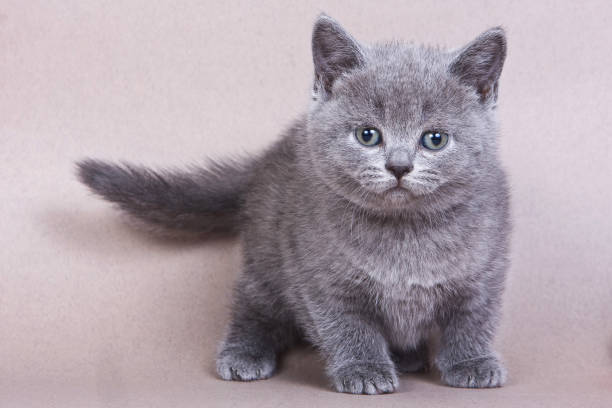
Are British Shorthairs Good Family Pets?
Yes.
British Shorthair Kitten for Sale are considered one of the best breeds for families because they are patient and tolerant.
They generally enjoy:
- Playing gently with children
- Relaxing with adults
- Meeting visitors
- Living in busy households
Children should still be taught how to interact respectfully with cats to ensure positive experiences for everyone.
Compatibility with Other Pets
British Shorthairs usually adapt well to homes with other pets.
Many live happily alongside:
- Dogs
- Other cats
- Rabbits (with supervision)
- Small pets housed securely
Early socialization and gradual introductions make multi-pet households much easier.
Apartment Living
If you live in an apartment, searching for a British Shorthair kitten for sale is a smart choice.
These cats:
- Are relatively quiet
- Don’t require large spaces
- Adapt well indoors
- Enjoy window watching
- Appreciate climbing furniture
Providing scratching posts, cat trees, and toys helps keep them mentally stimulated.
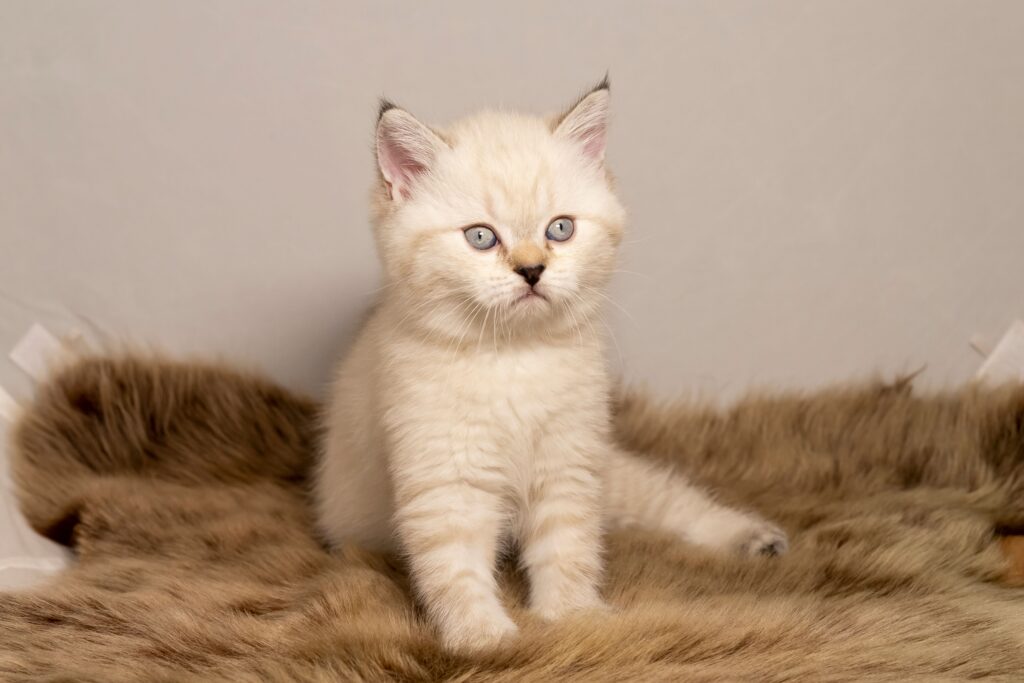
Ongoing Ownership Costs
Owning a British Shorthair involves long-term financial planning.
Typical annual expenses include:
- Premium cat food
- Routine veterinary visits
- Vaccinations
- Parasite prevention
- Pet insurance (optional)
- Toys
- Cat litter
- Grooming supplies
- Emergency veterinary care
Budgeting ahead ensures you can provide excellent care throughout your cat’s life.
Why Are British Shorthair Kittens Expensive?
Responsible breeding requires significant investment.
Reputable breeders pay for:
- Genetic health testing
- Veterinary examinations
- Vaccinations
- Microchipping
- High-quality nutrition
- Registration fees
- Proper socialization
- Safe housing
These expenses contribute to healthier kittens and better lifelong outcomes.
Questions to Ask Before Buying From a Breeder or Seller
Asking the right questions before placing a deposit or committing to a breeder or seller protects you against pet scams, backyard breeders, and unexpected health or behavioral issues.
Below is a categorized checklist of essential questions to ask, along with what to listen for in their answers.
1. Health & Genetic Testing Questions
Ethical breeders prioritize the long-term health of their animals over volume or profit.
- “What genetic health conditions are common in this breed, and have both parents been screened for them?”
- What to look for: The breeder should name specific conditions (e.g., HCM for cats, Hip Dysplasia for dogs) and provide official laboratory DNA or ultrasound clearance certificates—not just say “the vet said they’re fine.”
- “May I see the health test certificates for both the sire (father) and dam (mother)?”
- What to look for: Willingness to provide written documentation (OFA, PennHIP, DNA lab reports, or clear cardiac ultrasounds).
- “What health guarantee do you provide, and what does it cover?”
- What to look for: A written contract offering a multi-year guarantee against congenital or inherited genetic defects (typically 1 to 2 years), not just a 48-hour window for basic illness.
- “What vaccinations, deworming, and veterinary care has the litter received so far?”
- What to look for: Records from a licensed veterinarian showing core vaccinations, deworming schedules, and microchip documentation.
2. Living Environment & Socialization Questions
How young animals are raised in their first few months determines their lifelong temperament.
- “Can I meet the parents (or at least the mother) in person or via a live video call?”
- What to look for: The mother should be present, calm, healthy, and interacting naturally with her offspring. Refusal to show the mother is a major red flag.
- “Where are the animals raised, and how are they socialized?”
- What to look for: Animals should be raised inside a home environment—not isolated in outbuildings, cages, or dirty pens. The breeder should describe exposing them to household noises, handling, different surfaces, and visitors.
- “At what age are they allowed to leave for their new homes?”
- What to look for: Responsible breeders never release puppies before 8 weeks of age or kittens before 12 to 16 weeks.
3. Breeder Credentials & Business Practice Questions
Ethical breeders screen you just as thoroughly as you screen them.
- “Are your litters registered with an official recognized breed organization?”
- What to look for: Official registration papers (e.g., AKC, UKC for dogs; TICA, CFA for cats).
- “How long have you been breeding this specific breed, and how many litters do you raise per year?”
- What to look for: Focus on quality over quantity. Catteries or kennels producing dozens of litters across multiple breeds simultaneously often operate as commercial breeding mills.
- “What happens if I can no longer care for the animal at any point in its life?”
- What to look for: Ethical breeders include a take-back clause in their contract, stating they will accept the animal back at any age to ensure it never enters a shelter.
- “Can you provide references from previous buyers or your primary veterinarian?”
- What to look for: Willingness to share contacts or veterinary clinic verification.
Breeder Evaluation Matrix (Red Flags vs. Green Flags)
| Feature | 🟢 Green Flags (Ethical Breeder) | 🔴 Red Flags (Scam or Backyard Breeder) |
| Verification | Invites live video calls or in-person visits to see the living space. | Refuses live calls; offers to meet in a parking lot or shipping dock. |
| Pricing | Fixed price reflecting health testing, vet care, and pedigree care. | Unusually cheap prices (under market rate) or demands wire transfers/gift cards. |
| Screening | Asks you detailed questions about your lifestyle, experience, and home environment. | Sells to anyone immediately without asking questions as long as payment clears. |
| Documentation | Provides official registration papers, microchip ID, vet records, and written contracts. | Promises papers “later,” provides handwritten notes, or lacks vet records. |
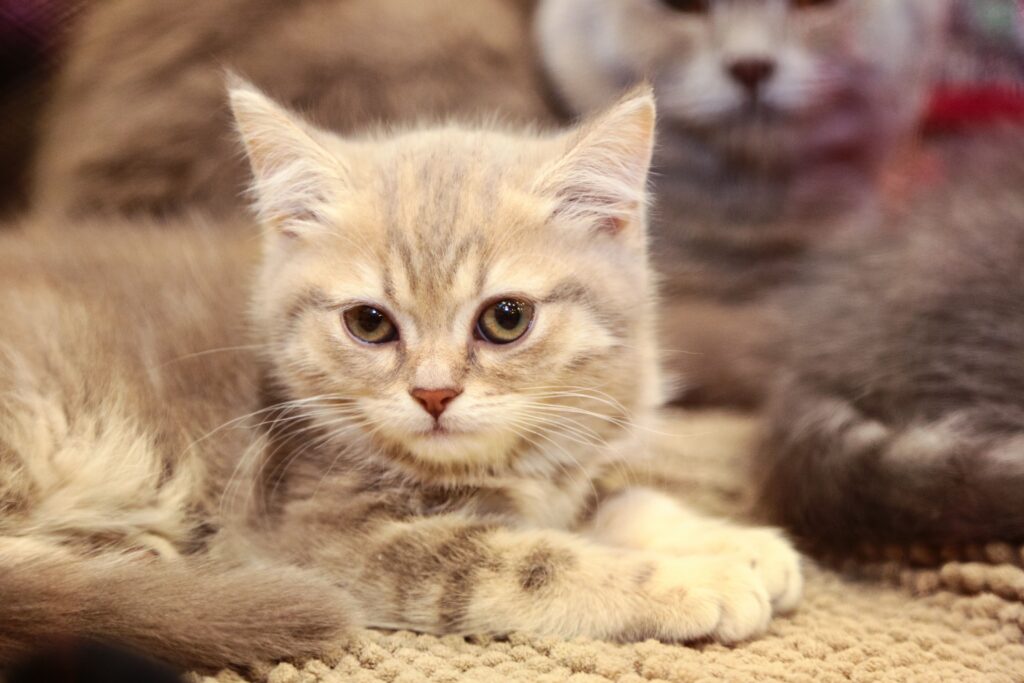
Where Can You Find a British Shorthair Kitten for Sale?
To find a purebred, healthy British Shorthair kitten, you should focus your search on verified registries, specialized breed rescues, and official cat shows. Avoid general online marketplaces (such as Craigslist, Facebook Marketplace, or Gumtree), as these are primary avenues for pet scams and backyard breeders.
1. Official Registry Directories (Safest Source)
The safest way to locate ethical British Shorthair breeders is through major recognized cat registries. These organizations maintain codes of ethics and searchable directories of certified catteries:
- TICA Breeder Directory (The International Cat Association): Search for registered British Shorthair catteries by region or country.
- CFA Cattery Search (Cat Fanciers’ Association): Look up CFA-registered breeders who adhere to breed standard guidelines.
- GCCF Breeder Scheme (Governing Council of the Cat Fancy): Primary resource for buyers located in the UK.
- FiFe Directory (Fédération Internationale Féline): Primary resource for buyers located in Europe.
2. Specialized Rescue Organizations & Shelters
If you prefer adopting, purebred or mixed British Shorthairs occasionally enter rescue networks through owner surrenders or breed-specific rescues:
- Petfinder & Adopt-a-Pet: Filter search results by location and select “British Shorthair” to find local shelter or rescue listings.
- Purebred Cat Rescue Networks: Organizations such as Purebred Cat Rescue or regional feline rescue groups specialize in rehoming purebred cats.
3. Cat Shows and Breed Clubs
Attending local sanctioned cat shows hosted by TICA, CFA, or local breed clubs allows you to meet breeders in person, observe their adult cats’ health and temperament, and get placed on upcoming litter waiting lists.
Preparing Your Home
Before bringing home your British Shorthair kitten for sale, gather essential supplies.
Your checklist should include:
- Food bowls
- Water fountain
- Premium kitten food
- Litter box
- Quality litter
- Scratching post
- Cat tree
- Comfortable bed
- Carrier
- Interactive toys
- Nail clippers
- Grooming brush
A prepared environment helps your kitten settle in more comfortably.
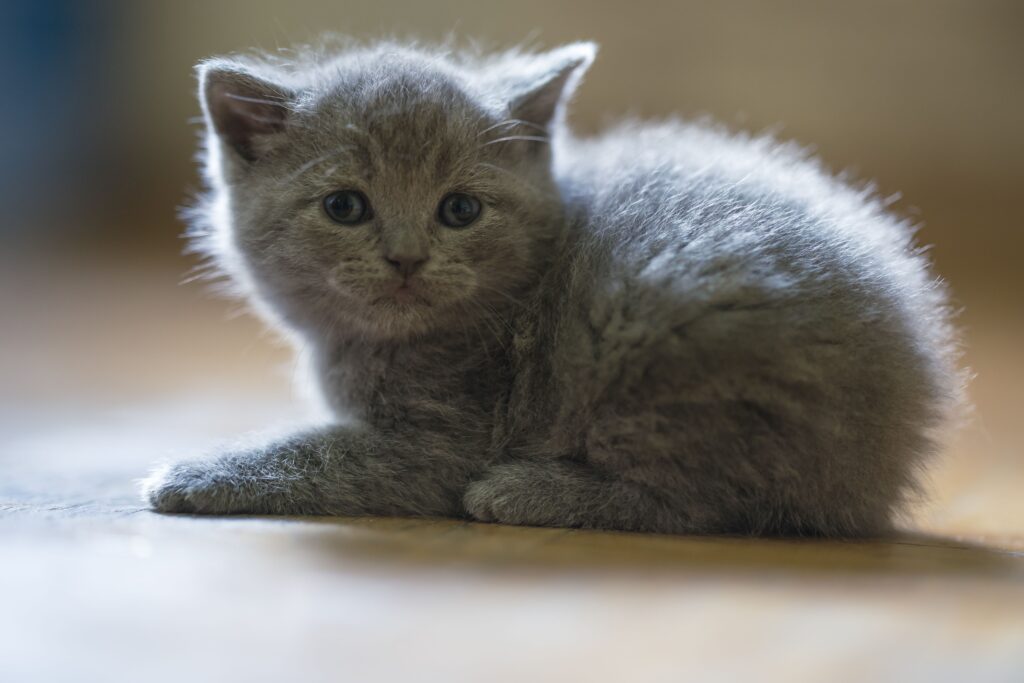
Training Your Kitten
British Shorthairs are intelligent and capable of learning basic routines.
They can learn:
- Their name
- Carrier training
- Clicker training
- Basic commands
- Puzzle-solving games
Positive reinforcement using treats and praise works best.
The First Week at Home
Your new kitten may be nervous at first.
Help them adjust by:
- Providing a quiet room
- Maintaining a consistent feeding schedule
- Allowing them to explore gradually
- Avoiding overwhelming introductions
- Offering gentle affection
Patience during the first few days helps build trust.
Common Myths About British Shorthairs
Myth: They’re lazy.
Reality: They’re calm but enjoy regular play.
Myth: They don’t like affection.
Reality: They often show affection quietly by staying close to their owners.
Myth: They require constant grooming.
Reality: Weekly brushing is usually enough.
Myth: They’re difficult to train.
Reality: They respond well to consistent, positive reinforcement.
Advantages of Owning a British Shorthair
People searching for a British Shorthair kitten for sale often choose this breed because of its many advantages.
Benefits include:
- Calm personality
- Beautiful appearance
- Long lifespan
- Easy grooming
- Family-friendly nature
- Adaptability
- Moderate activity level
- Quiet voice
- Strong bond with owners
- Excellent indoor companion
British Shorthair Kitten Adoption Process
We understand that adopting a British Shorthair kitten is a significant decision. Our adoption process is designed to be simple, transparent, and focused on matching every kitten with a loving, responsible home.
Step 1: Explore Our Available British Shorthair Kittens
Begin by browsing our available British Shorthair kittens. Each kitten has its own profile featuring photos, age, personality, coat color, health information, and availability. We encourage you to take your time to find the kitten that best suits your family and lifestyle.
Step 2: Contact Our Adoption Team
Once you’ve found a kitten you’re interested in, contact our team with any questions. We’ll gladly discuss the kitten’s temperament, daily routine, dietary needs, and provide additional information to help you make a confident decision.
Step 3: Reserve Your Kitten
After selecting your kitten, you can reserve it while we complete the final preparations. During this stage, we’ll confirm important details, discuss the adoption timeline, and answer any remaining questions about welcoming your new companion.
Step 4: Health Examination and Veterinary Care
Before leaving for its forever home, every British Shorthair kitten receives a comprehensive veterinary health check. Age-appropriate vaccinations, deworming, and preventive healthcare are completed according to the kitten’s age. Available medical records and health documentation are provided to help you continue your kitten’s care with your local veterinarian.
Step 5: Prepare Your Home
Preparing your home before your kitten arrives helps make the transition smooth and stress-free. We recommend having the following essentials ready:
- High-quality kitten food
- Food and water bowls
- Litter box and litter
- Comfortable bed
- Scratching post
- Cat tree or climbing tower
- Interactive toys
- Grooming brush
- Secure cat carrier
Setting aside a quiet room for the first few days allows your kitten to explore its new surroundings gradually and build confidence.
Step 6: Bringing Your British Shorthair Home
When your kitten arrives, allow it to settle at its own pace. Some British Shorthair kittens become comfortable within a few hours, while others may take several days to fully adjust. Gentle handling, a consistent feeding schedule, and plenty of patience will help your kitten feel safe and secure.
Ongoing Support After Adoption
Our relationship doesn’t end when your kitten goes home. At KittyVerse Store, we’re committed to supporting new owners throughout their journey. If you have questions about feeding, grooming, behavior, or general kitten care, our team is always happy to provide guidance and helpful advice to ensure your British Shorthair grows into a healthy and happy companion.
Frequently Asked Questions
Are British Shorthair kittens hypoallergenic?
No. They still produce allergens, although some people find them easier to tolerate than heavily shedding breeds.
How often should they eat?
Young kittens usually eat three to four small meals daily, while healthy adults typically transition to two meals per day.
Do British Shorthairs shed?
Yes. Shedding is moderate, with seasonal increases during certain times of the year.
Are they affectionate?
Absolutely. They are loving companions who often prefer sitting beside their owners rather than constantly being held.
Can they be left alone?
British Shorthairs are relatively independent, but they still require daily attention, interaction, and environmental enrichment.
Are they good for first-time owners?
Yes. Their gentle temperament and moderate care requirements make them an excellent choice for beginners.
Tips for Bringing Home Your New Kitten
Once you’ve selected the perfect British Shorthair kitten for sale, focus on creating a positive transition. Schedule a veterinary checkup within the first few days, follow the feeding recommendations provided by the breeder, and gradually introduce your kitten to different areas of your home. Provide plenty of safe hiding places, scratching posts, and interactive toys to encourage confidence and exploration.
Consistency is key. Keep feeding times, play sessions, and bedtime routines predictable so your kitten feels secure. With patience and gentle handling, most British Shorthair kittens settle into their new homes quickly and develop into confident, affectionate companions.
Conclusion:
Finding the right British Shorthair kitten for sale is about more than purchasing a pet—it’s about welcoming a lifelong companion into your family. These charming cats are admired for their plush coats, round faces, calm personalities, and unwavering loyalty. Their balanced temperament makes them suitable for a wide variety of households, from busy families with children to individuals seeking a quiet, affectionate companion.
When searching for a kitten, prioritize health, ethical breeding practices, and proper socialization over the lowest price. A reputable breeder will be transparent, provide health records, answer your questions, and genuinely care about the future of every kitten they raise.
With proper nutrition, regular veterinary care, routine grooming, and plenty of love, your British Shorthair can enjoy a long, healthy, and fulfilling life. Whether you’re purchasing your very first cat or adding another feline friend to your household, choosing a healthy British Shorthair kitten for sale is an investment in years of companionship, comfort, and unforgettable memories.