
Why Playtime Is Essential for Your Growing Kitten
Bringing a kitten into your home is an exciting experience filled with adorable cuddles, playful zoomies, curious adventures, and unforgettable moments. Watching a tiny kitten chase imaginary prey, jump across the room, or explore every corner of your house is one of the most rewarding parts of becoming a cat owner.
However, playtime is much more than simple entertainment. The right cat and kitten toys play an important role in your kitten’s physical development, emotional well-being, social skills, and overall behavior. Play allows kittens to practice natural instincts, burn energy, develop coordination, and build a stronger relationship with their human companions.
Many new cat owners underestimate the importance of providing proper kitten toys. Without enough stimulation, kittens can become bored, frustrated, or develop unwanted behaviors such as scratching furniture, excessive biting, climbing curtains, or knocking objects off shelves.
By choosing the right cat and kitten toys and creating a consistent play routine, you can help your kitten grow into a confident, healthy, and well-adjusted adult cat.
This complete guide explains why kittens play, the benefits of interactive play, and the essential toys every kitten owner should have at home.
Why Do Kittens Play?
Kitten play is a natural behavior that begins early in life. Even before kittens leave their mother and siblings, they learn important social and survival skills through play.
In the wild, young cats develop hunting abilities by practicing behaviors such as:
- Stalking
- Chasing
- Pouncing
- Climbing
- Jumping
- Capturing prey
Although modern domestic cats no longer need to hunt for survival, these instincts remain deeply embedded in their behavior.
Your kitten may not need to catch birds or rodents for food, but their brain still tells them to chase moving objects, hide before attacking, and practice their hunting skills. This is why many kittens become fascinated with moving toys, feathers, strings, and small objects that resemble prey.
Using appropriate cat and kitten toys allows your kitten to express these natural behaviors in a safe and healthy way.
For example:
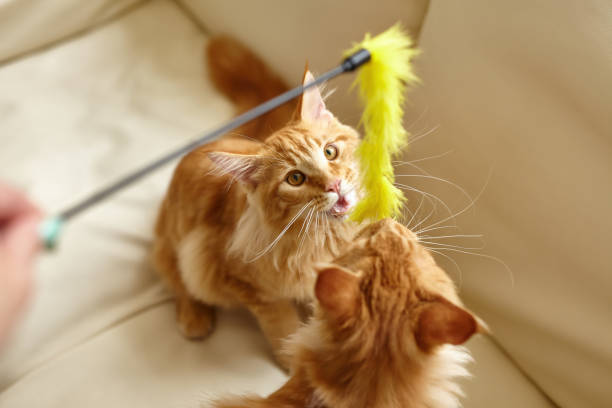
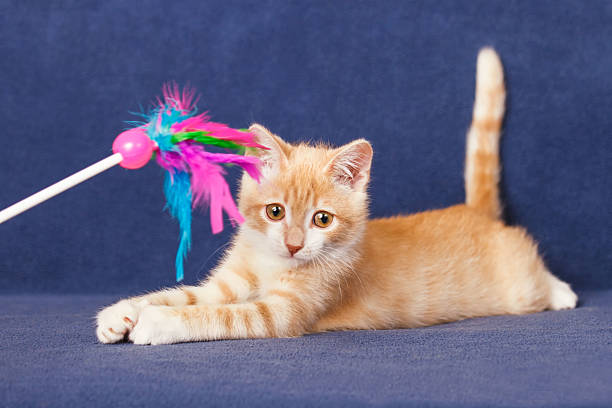
- Feather wands imitate flying birds.
- Toy mice encourage chasing and stalking.
- Ball toys simulate moving prey.
- Puzzle toys encourage problem-solving.
- Tunnels create hiding and hunting opportunities.
Providing these types of toys helps satisfy your kitten’s instincts while keeping them entertained indoors.
The Importance of Cat and Kitten Toys for Healthy Development
A kitten’s first year is a critical period of growth and learning. During this time, kittens develop their muscles, coordination, confidence, and social behaviors.
The right cat and kitten toys support several important areas of development.
Physical Exercise and Healthy Growth
One of the biggest benefits of kitten play is exercise.
Many modern cats live indoors, especially those living in apartments or urban environments. While indoor living protects cats from dangers such as traffic, predators, and diseases, it can also reduce their opportunities for natural exercise.
Wild cats spend much of their day moving through their environment, exploring territory, climbing, and hunting. Indoor kittens need alternative ways to stay active.
Interactive cat and kitten toys provide opportunities for:
- Running
- Jumping
- Stretching
- Chasing
- Climbing
- Pouncing
Regular activity helps kittens maintain healthy muscles and avoid excessive weight gain.
Obesity is becoming increasingly common among domestic cats and can contribute to serious health issues, including:
- Diabetes
- Joint problems
- Heart conditions
- Reduced mobility
- Digestive issues
Daily play sessions using suitable kitten toys are an excellent way to help manage your kitten’s weight and encourage lifelong fitness.
Experts often recommend scheduling at least two daily play sessions lasting around 15–20 minutes each. Early morning and evening are often ideal because cats naturally tend to be more active around dawn and dusk.
Mental Stimulation: Keeping Your Kitten’s Brain Active
Cats are naturally intelligent animals. Kittens especially need opportunities to explore, solve problems, and interact with their environment.
Without enough mental stimulation, kittens may become bored and search for their own entertainment. Unfortunately, their chosen activities may include behaviors that owners consider problematic, such as:
- Scratching furniture
- Chewing household objects
- Climbing curtains
- Digging in plants
- Knocking items from shelves
These behaviors are not signs of a “bad” kitten. They are often signs that your kitten needs more stimulation.
The right cat and kitten toys provide healthy outlets for curiosity and energy.
Mental stimulation toys include:
- Puzzle feeders
- Treat-dispensing toys
- Interactive games
- Motion toys
- Hide-and-seek toys
These toys encourage kittens to think, experiment, and use their natural problem-solving abilities.
For example, a puzzle feeder transforms mealtime into an activity that requires your kitten to work for their reward, similar to how wild cats search and hunt for food.
How Cat and Kitten Toys Help Improve Behavior
A well-stimulated kitten is usually a happier and better-behaved kitten.
Many unwanted behaviors occur because kittens have excess energy or do not have appropriate ways to express their instincts.
Providing engaging cat and kitten toys helps redirect these natural behaviors into positive activities.
Preventing Destructive Scratching
Scratching is completely normal for cats.
Cats scratch to:
- Maintain healthy claws
- Stretch their muscles
- Mark their territory
- Release energy
The problem occurs when cats choose furniture, carpets, or curtains as scratching surfaces.
A scratching toy or scratching post teaches your kitten where scratching is acceptable.
Introducing scratching toys early helps create good habits that can last into adulthood.
Reducing Excessive Biting
Kittens explore the world with their mouths.
During play, kittens may bite hands, feet, or clothing because they are practicing hunting skills.
Instead of allowing your kitten to attack your hands, redirect their attention to appropriate toys.
Examples include:
- Plush toys
- Interactive mice
- Kicker toys
- Wand toys
This teaches your kitten that toys are for hunting, not human skin.
Strengthening the Bond Between You and Your Kitten
One of the most rewarding benefits of using cat and kitten toys is the stronger relationship they help create between cats and their owners.
Interactive play allows your kitten to associate you with positive experiences.
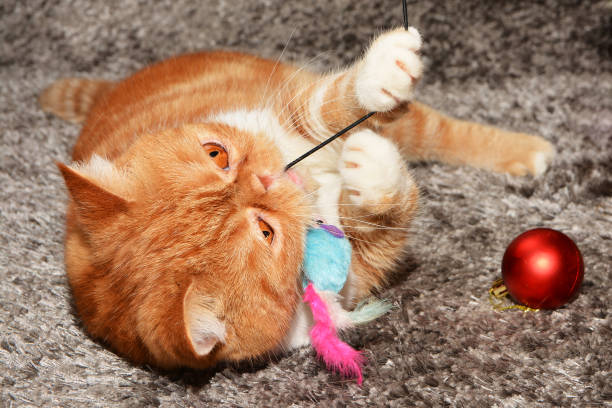
When you use a feather wand, toy mouse, or chase toy, your kitten learns that spending time with you is enjoyable and safe.
This is especially important during early kitten development.
Young kittens that receive regular positive human interaction often become:
- More confident
- Less fearful
- More social
- Easier to handle
Playtime is not just exercise; it is a bonding experience.
Your kitten learns your voice, your movements, and your routines while developing trust.
Creating a Healthy Kitten Play Routine
Consistency is important when introducing cat and kitten toys into your kitten’s daily life.
Cats are creatures of habit, and a predictable routine helps them feel secure.
A good kitten play schedule may include:
Morning Play Session
A short interactive session before breakfast can help release energy and satisfy hunting instincts.
Try:
- Feather wand toys
- Chase toys
- Ball toys
Evening Play Session
Evening is often when kittens naturally become more active.
Use this time for:
- Interactive games
- Puzzle toys
- Climbing activities
After play, many kittens naturally become tired and ready for rest.
How Long Should You Play With Your Kitten?
The ideal playtime depends on your kitten’s age, personality, and energy level.
Generally:
- Young kittens may need several short play sessions throughout the day.
- Older kittens may enjoy longer interactive sessions.
- High-energy breeds may require additional stimulation.
A good starting point is:
15–20 minutes of active play twice daily.
However, always pay attention to your kitten’s behavior.
Signs your kitten wants more play:
- Bringing toys to you
- Meowing for attention
- Running around the house
- Attacking objects
Signs your kitten needs a break:
- Walking away
- Lying down
- Losing interest
- Becoming overstimulated
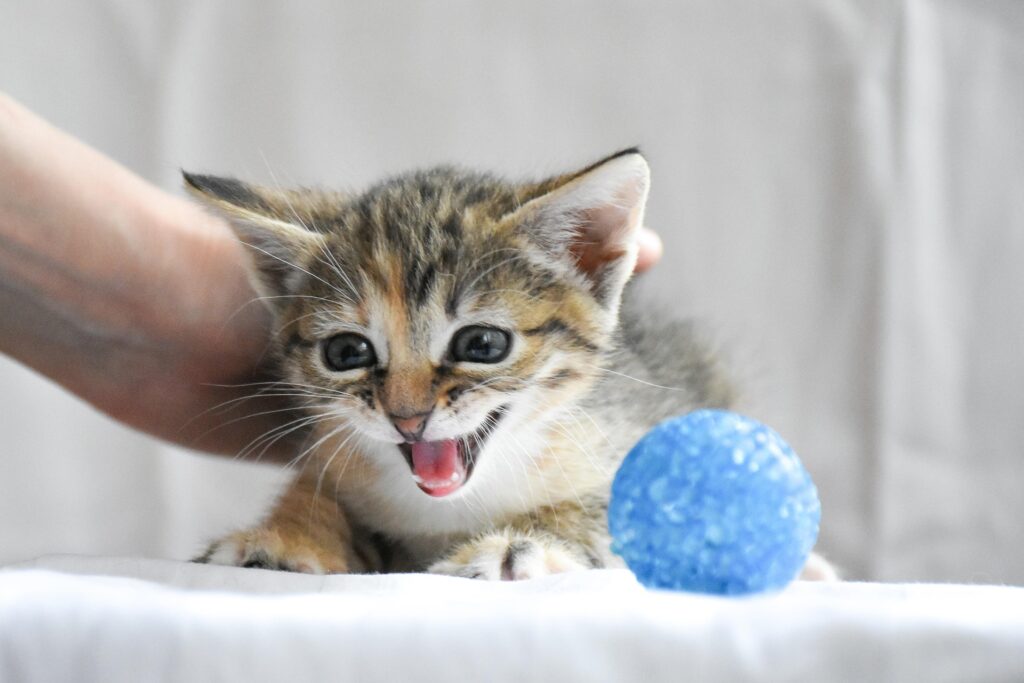
The Role of Variety in Cat and Kitten Toys
Just like people, cats can become bored when they experience the same activity every day.
Providing different types of toys keeps playtime exciting and challenging.
A balanced collection should include:
- Interactive toys
- Chew-safe toys
- Climbing toys
- Puzzle toys
- Soft toys
- Scratching toys
Rotating toys every few days can make old toys feel new again.
Instead of leaving every toy available all the time, keep some stored away and introduce them occasionally.
This simple technique helps maintain your kitten’s curiosity and excitement.