
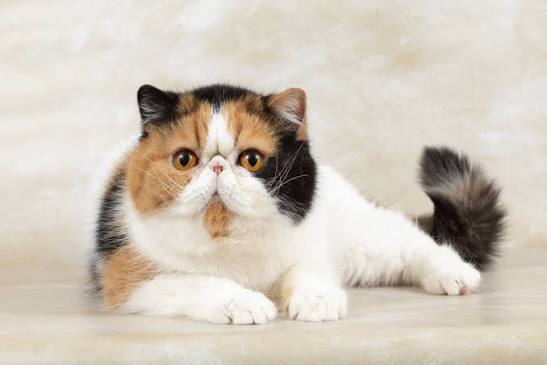
Finding the right Exotic Shorthair kitten breeders is an important part of bringing a new cat into your family. The Exotic Shorthair is loved for its round face, large eyes, plush short coat, and affectionate personality. Often described as a short-haired alternative to the Persian, this breed can offer the distinctive Persian appearance with a simpler grooming routine.
However, choosing a kitten should involve more than coat color or appearance. A responsible breeder should place strong emphasis on the health, temperament, socialization, and welfare of their cats.
If you are considering an Exotic Shorthair kitten, this guide explains what to look for in a breeder, how to evaluate a kitten, what health questions to ask, and how to prepare your home.
What Is an exotic shorthair kitten?
The Exotic Shorthair is a pedigreed cat developed primarily from Persian and American Shorthair breeding. The breed was developed in the United States during the 20th century for people who admired the Persian’s appearance but preferred a shorter coat that required less daily maintenance.
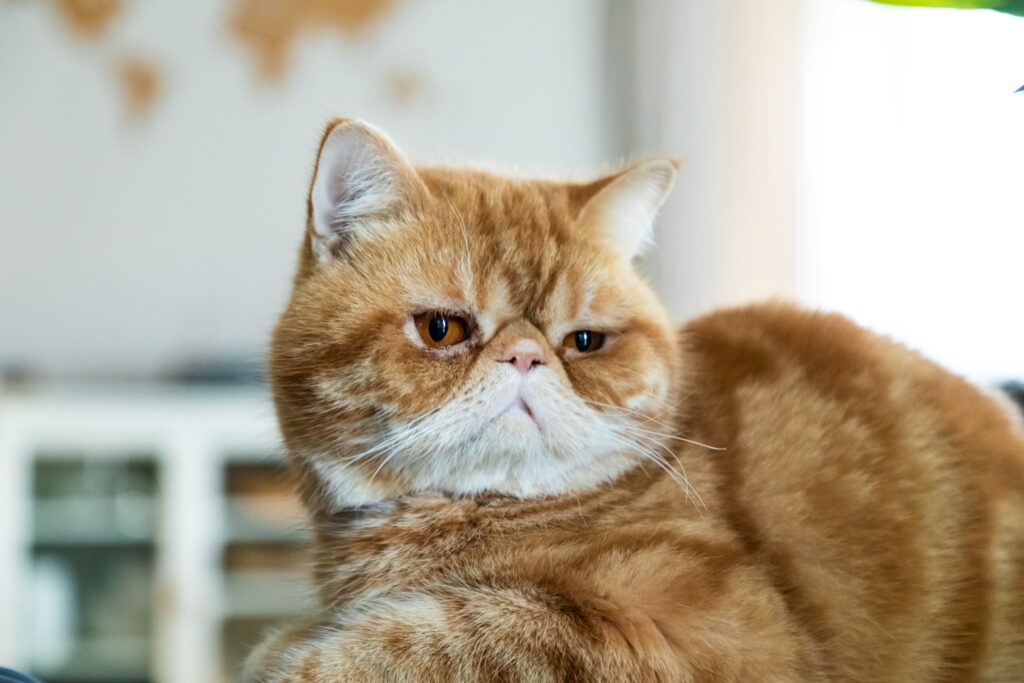
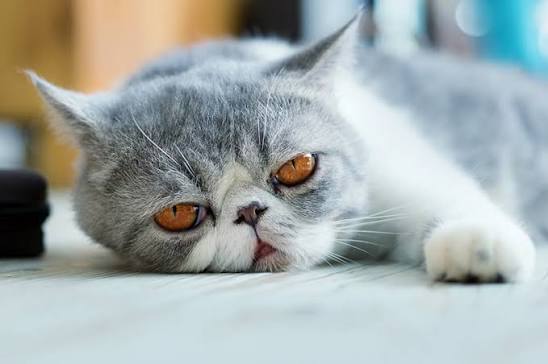
Exotic Shorthairs generally have a rounded head, large expressive eyes, short ears, a compact body, and a dense plush coat. Their facial structure can range from moderately short to very flat depending on their individual genetics and breeding line.
Despite their teddy-bear appearance, they are active cats with individual personalities. Many enjoy interactive play but are also happy relaxing beside their owners.
Exotic Shorthair Breed Characteristics
| Characteristic | Typical Description |
|---|---|
| Breed type | Pedigreed companion cat |
| Size | Medium |
| Coat | Short, dense and plush |
| Personality | Affectionate, calm and playful |
| Activity level | Moderate |
| Grooming | Lower maintenance than a Persian |
| Lifespan | Often around 12–15 years, with individual variation |
| Living environment | Suitable for many indoor households |
Individual cats can differ considerably, so prospective owners should evaluate the kitten rather than relying entirely on general breed descriptions.
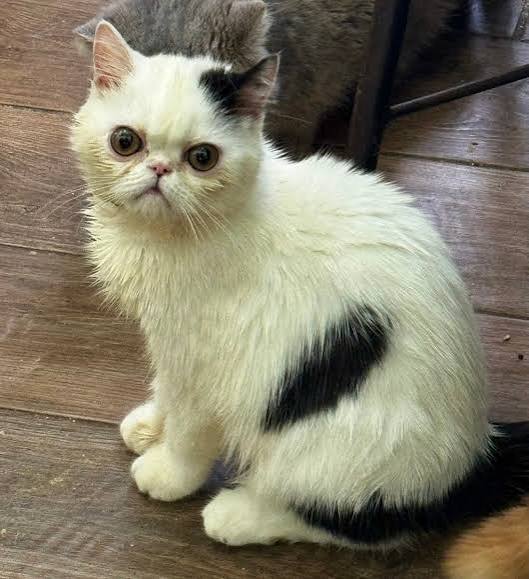
Why Are Exotic Shorthair Kittens So Popular?
The popularity of Exotic Shorthair kittens comes from their combination of appearance and personality.
People who love the Persian look but prefer a shorter coat often find the Exotic Shorthair appealing. The breed still requires grooming, but its coat is generally easier to manage than a traditional long Persian coat.
Exotic Shorthairs are also known for being affectionate, calm, curious, and playful. They can enjoy interactive games and exploring their surroundings while also being happy to relax near their owners.
Their adaptable personality can make them attractive to a variety of households, although every kitten has its own individual temperament.
What Makes a Good Exotic Shorthair Kitten Breeder?
A good Exotic Shorthair kitten breeder should care about much more than producing kittens for sale.
Responsible breeding involves paying attention to the health and welfare of the parent cats, providing kittens with appropriate care, and giving prospective owners accurate information.
When researching an Exotic Shorthair breeder, look for information about:
- The kitten’s age
- Veterinary care
- Vaccination history
- Parasite prevention
- Nutrition
- Socialization
- Parent cats
- Pedigree or registration where applicable
- Genetic health screening
- Living conditions
- Kitten placement policies
- After-sale or adoption support
A breeder should be willing to answer reasonable questions and explain how the kittens are raised.
Health Should Come Before Appearance
When searching for Exotic Shorthair kittens for sale, health should be one of your first considerations.
The breed’s distinctive short facial structure is part of its appearance, but brachycephalic facial features can also be associated with respiratory and other health concerns. Veterinary guidance and responsible breeding are therefore important considerations for prospective owners.
TICA recommends that owners of Persian-group breeds, including Exotic Shorthairs, discuss health screening with their breeder and veterinarian, including concerns such as polycystic kidney disease, respiratory problems, eye conditions, and hypertrophic cardiomyopathy.
A responsible breeder should be prepared to discuss the health of the parent cats and provide whatever relevant testing or veterinary documentation is available.
Genetic Health Testing for Exotic Shorthair Breeding Cats
Genetic testing can be an important part of a responsible breeding program.
Testing can help breeders identify certain inherited conditions or genetic traits and make more informed breeding decisions. TICA notes that genetic testing can provide breeders with information useful for selecting compatible breeding pairs and supporting feline population health.
When considering an Exotic Shorthair kitten breeder, ask whether the parents have undergone breed-relevant health screening. The exact tests appropriate for a breeding program can vary, so breeders should work with qualified veterinary professionals and appropriate laboratories.
How Exotic Shorthair Kittens Are Socialized
Early socialization shapes an Exotic Shorthair kitten’s calm, affectionate personality, preparing them to transition smoothly into a new home.
Key Socialization Milestones
- Gentle Human Handling (Weeks 2–7): From an early age, breeders handle kittens daily—holding, stroking, and weighing them. This builds human trust and prevents fearfulness toward handling.
- Desensitization to Household Sounds (Weeks 4–10): Kittens raised underfoot are regularly exposed to ordinary home noises, such as vacuums, television, food processors, and doorbell sounds, helping them remain confident around sudden sounds.
- Grooming & Facial Care Routine: Exotic Shorthairs require regular eye wiping and coat brushing. Responsible breeders introduce soft face wipes, slicker brushes, and claw clippers early on so kittens view routine care as a positive experience.
- Litter Box & Boundary Training: As kittens start weaning, breeders place low-entry litter boxes nearby and provide scratching posts to establish good habits before adoption.
- Positive Play & Interaction: Using wand teasers, crinkle balls, and tunnels encourages healthy hunting instincts while teaching kittens that human hands and feet are not targets for biting or scratching.
What Proper Socialization Looks Like in a Kitten
| Well-Socialized Kitten | Under-Socialized Kitten |
| Approaches new people with curiosity | Hides immediately and avoids eye contact |
| Enjoys gentle holding and purrs | Hisses, growls, or swats when picked up |
| Tolerates routine eye cleaning and brushing | Fights or scratches during basic grooming |
| Adjusts to new rooms within a few days | Remains hid in corners for weeks |
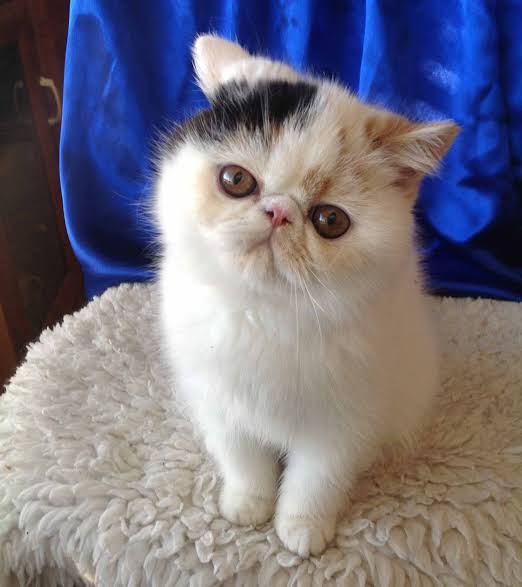
Exotic Shorthair Kitten Colors and Patterns
Another reason buyers search for Exotic Shorthair kittens for sale is the breed’s impressive variety of colors and patterns.
Exotic Shorthairs can occur in many coat colors and patterns. TICA lists colors including white, red, cream, black, blue, chocolate, lilac, silver, golden, tortoiseshell, blue-cream, brown, calico, and seal, along with patterns such as tabby, bicolor, tricolor, smoke, shaded, tortoiseshell, and Himalayan.
Depending on availability, buyers may encounter:
Black Exotic Shorthair
Black Exotic Shorthairs have a striking dark coat that creates a strong contrast with their large eyes and rounded facial features.
White Exotic Shorthair
White Exotic Shorthairs have a bright, elegant appearance and can be particularly eye-catching because of their plush coats and rounded bodies.
Blue Exotic Shorthair
Blue refers to a diluted gray-blue coat color rather than a true blue shade. It gives the Exotic Shorthair a soft, distinctive appearance.
Silver and Golden Exotic Shorthairs
Silver and golden varieties can have particularly eye-catching coats, with coloration and patterns influenced by their genetics.
Tabby Exotic Shorthair
Tabby Exotic Shorthairs have recognizable markings that can appear in several different tabby patterns and colors.
Tortoiseshell and Calico Exotic Shorthairs
Tortoiseshell and calico coats contain combinations of colors that can produce highly individual patterns, making each kitten’s appearance distinctive.
Availability depends on the breeding program and individual litters, so a breeder may not have every color available at all times.
Exotic Shorthair Kitten Personality
Exotic Shorthairs are often valued for their gentle and affectionate personalities. TICA describes them as gentle cats that generally get along well with people, while CFA characterizes them as sweet, affectionate, quiet, and adaptable.
As kittens, they can also be playful and curious.
Some Exotic Shorthairs may happily follow their owners around the house, while others prefer to spend more time relaxing nearby. Personality varies between individual cats, so prospective owners should consider temperament as well as physical appearance.
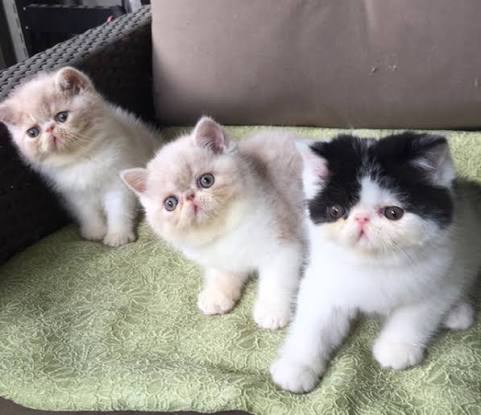
Grooming an Exotic Shorthair Kitten
While Exotic Shorthair kittens are called the “lazy person’s Persian” due to their short fur, their dense double coat and flat (brachycephalic) facial structure still require a consistent grooming routine.
Key Grooming Tasks
1. Daily Facial & Eye Care
Because of their flat faces and shortened tear ducts, Exotic Shorthairs frequently experience tear staining and moisture buildup in their facial folds.
- How to Clean: Wipe under the eyes and inside the nose wrinkles daily using a warm, damp microfiber cloth or dedicated pet eye wipe.
- Prevention: Keeping these skin folds dry prevents bacterial growth, skin infections, and staining.
2. Weekly Coat Brushing
Their fur is plush and thick with a dense undercoat that can trap loose hair and form small mats if ignored.
- Tools: Use a soft slicker brush or rubber curry brush once or twice a week.
- Shedding Control: During seasonal shedding (spring and fall), brush every 2–3 days to prevent hairballs.
3. Routine Nail Trimming & Ear Inspection
- Nail Care: Clip the sharp tips of their front claws every 2–3 weeks using dedicated cat nail clippers.
- Ear Cleaning: Check ears weekly for dirt or dark wax buildup, wiping the outer ear gently with a cotton pad moistened with pet ear cleaner.
Step-by-Step Grooming Routine
| Task | Frequency | Recommended Tools | Primary Goal |
| Eye & Facial Wipes | Daily | Warm damp cloth or pet eye wipes | Prevent tear stains and skin fold dermatitis. |
| Coat Brushing | 1–2 times weekly | Soft slicker brush or rubber curry brush | Remove loose undercoat fur and reduce hairballs. |
| Nail Trimming | Every 2–3 weeks | Cat nail clippers | Prevent snagging on furniture and scratch injury. |
| Ear Cleaning | Every 2–4 weeks | Pet ear cleaning solution + cotton pad | Keep ears free of wax buildup and ear mites. |
Training Your Kitten for Stress-Free Grooming
- Start Early & Keep Sessions Short: Begin handling their paws, ears, and face during calm cuddling sessions at 8–12 weeks old.
- Pair with High-Value Rewards: Offer a lickable cat treat or favorite food during and immediately after grooming to create a positive association.
- Never Force Sessions: If your kitten gets overly wriggly or stressed, pause and resume later to keep the experience calm and enjoyable.
Feeding an Exotic Shorthair Kitten
A growing Exotic Shorthair kitten needs an appropriate diet that supports healthy development.
Ask the breeder what food the kitten is currently eating before making changes. If you want to introduce a different food, a gradual transition can help reduce digestive upset.
Fresh water should always be available.
Because Exotic Shorthairs can be relatively compact and less active than some other cat breeds, owners should work with their veterinarian to maintain a healthy body condition rather than allowing excessive weight gain.
How Much Does an Exotic Shorthair Kitten Cost?
In 2026, the average cost of an Exotic Shorthair kitten ranges between $1,500 and $3,500 for a pet-quality kitten from a reputable, ethical breeder. Top show-quality kittens or those with rare coat patterns can reach $4,000 to $5,500+.
Price Breakdown by Category
| Category | Average Price Range | What It Includes |
| Pet Quality | $1,500 – $3,000 | Sold with a spay/neuter agreement, initial vaccines, microchip, and a health guarantee. Ideal as family companions. |
| Show Quality | $3,000 – $4,500 | Conforms precisely to CFA or TICA breed standards (ideal flat profile, wide-set eyes, cobby body). |
| Breeding Rights | $4,000 – $6,000+ | Sold to registered, established catteries with full registration rights and extensive lineage papers. |
| Adoption / Rescue | $150 – $500 | Available through specialized breed rescues or shelters (rare for young kittens, more common for adult/retired cats). |
Factors Driving Exotic Shorthair Prices
- Genetic Health Screening: Ethical breeders DNA-test breeding pairs for Polycystic Kidney Disease (PKD) and Progressive Retinal Atrophy (PRA). These tests, along with cardiac ultrasounds, add to upfront breeding costs but prevent fatal hereditary conditions.
- Veterinary Care & Delivery: Due to their flat (brachycephalic) facial structure and large heads, litters often require specialized prenatal care or C-sections, driving up breeder overhead.
- Coat Color & Rarity: Highly sought-after coat variations—such as Golden, Silver Point, Chocolate, or Calico—tend to command higher prices than standard solid or classic tabby coats.
- Registration & Pedigree: Kittens backed by championship lines registered with TICA (The International Cat Association) or CFA (Cat Fanciers’ Association) carry a premium.
First-Year Ownership Costs
In addition to the purchase price, budget for the initial setup and ongoing care expenses during the first year:
- Initial Veterinary Care & Spay/Neuter: $200 – $500 (if not already included by breeder)
- Kitten Supplies (Litter box, bed, toys, carrier, bowls): $200 – $350
- Facial & Grooming Supplies (Wipes, slicker brush): $50 – $100
- Annual Food & Litter: $600 – $1,000
- Pet Insurance (Recommended for flat-faced breeds): $400 – $800 / year
A Note on Unusually Low Prices ($300 – $800): Be cautious of listings offering purebred Exotic Shorthair kittens under $800. Unusually low prices frequently point to deposit scams or backyard breeders who bypass essential genetic testing and early veterinary care.
Questions to Ask an Exotic Shorthair Breeder
Before reserving a kitten, ask the breeder clear questions.
About the kitten
- How old is the kitten?
- What is the kitten’s current diet?
- Has the kitten received veterinary care?
- What vaccinations have been given?
- Has parasite prevention been provided?
- Is the kitten using a litter box?
- How has the kitten been socialized?
About the parents
- Can I see information about the kitten’s parents?
- What health screening has been performed?
- What is known about the parents’ temperament?
- Are pedigree or registration documents available?
About the breeder
- How long have you been breeding Exotic Shorthairs?
- What type of environment are the kittens raised in?
- What support do you provide after the kitten goes home?
- What documentation accompanies the kitten?
- What are your kitten placement requirements?
A breeder who welcomes responsible questions can make the purchasing process much more transparent.
Preparing Your Home for an Exotic Shorthair Kitten
Preparing your home ahead of time ensures a smooth, stress-free transition for an Exotic Shorthair kitten. Because of their stocky build, flat facial features, and quiet nature, they require a safe space tailored to their specific physical and behavioral needs.
1. Set Up a Safe Starter Space
Exotic Shorthairs can easily feel overwhelmed by large, open areas. Dedicate a quiet room (such as a bedroom or small home office) for their first 5–7 days.
- Essential Layout: Place their bed, scratching post, food/water station, and litter box in this room. Keep food bowls at least 5 feet away from the litter box.
- Low-Entry Litter Box: Young kittens need a box with low sides so their short, stocky legs can climb in without effort.
2. Proofing for Flat-Faced (Brachycephalic) Kittens
Exotic Shorthairs are curious but less athletic than slender breeds, preferring ground-level and low-furniture exploration.
- Floor-Level Safety: Secure loose cables with cord protectors, remove floor-level houseplants (especially toxic ones like lilies, pothos, and monstera), and put away small objects like hair ties or rubber bands.
- Temperature Control: Because of their flat faces, Exotic Shorthairs overheat quickly and struggle in warm environments. Ensure the starter room stays cool, well-ventilated, and shaded from direct summer sunlight.
- Low Furniture Padding: Place soft rugs or floor cushions near low chairs or beds where they might jump down while their joints are still developing.
3. Essential Starter Checklist
| Category | Recommended Items | Purpose |
| Feeding | Shallow ceramic or stainless steel bowls | Shallow design prevents whiskers and flat faces from bumping against deep rims; non-plastic prevents chin acne. |
| Grooming | Soft pet eye wipes + soft slicker brush | Daily wiping of facial folds prevents tear staining; weekly brushing removes loose undercoat. |
| Scratching | Low, wide-based cardboard or sisal scratcher | Sturdy, low scratchers suit their heavy bone structure and ground-level play habits. |
| Enrichment | Crinkle balls, soft plush mice, wand teasers | Satisfies hunting instincts without triggering overexertion or heavy panting. |
4. Arrival & Settling In
- Self-Paced Exploration: Place the carrier on the floor, open the door, and let the kitten step out on their own terms. Speak softly and avoid forcing them out.
- Dietary Consistency: Feed the exact food brand and formula the breeder provided for at least 2–3 weeks to avoid upsetting their stomach.
- Gentle Handling: Teach all household members to scoop the kitten up gently using two hands—supporting both the chest and hindquarters—to protect their heavy frame.
Buy Exotic Shorthair Kittens Online
Searching online for an Exotic Shorthair kitten breeder can provide access to breeders and kittens in different locations, but online purchases require careful research.
Before making a payment, verify important information about the kitten and breeder.
A good listing should provide meaningful information rather than relying entirely on attractive photographs. Look for details about the kitten’s age, health, personality, care, parents, and availability.
Be especially cautious when:
- The seller refuses to answer basic questions.
- Health information is unavailable.
- The kitten’s age is unclear.
- The seller pressures you to pay immediately.
- The price appears unusually low without explanation.
- There is no clear purchase or placement agreement.
- Photos and descriptions appear inconsistent.
A responsible transaction should be transparent from the beginning.
Exotic Shorthair Kitten Breeder vs. Random Online Seller
There is an important difference between finding an established breeder and purchasing from an unknown online seller.
An experienced Exotic Shorthair breeder should understand the breed’s characteristics and care requirements. They should also be able to explain how their kittens are raised and provide relevant information about the parents.
An unknown seller may have limited knowledge about the breed or provide insufficient information about the kitten’s background.
For this reason, research should always come before payment.
Why Choose Kittyverse Store for Exotic Shorthair Kittens?
At Kittyverse Store, we understand that choosing an Exotic Shorthair kitten is about more than finding an attractive cat. Prospective owners want useful information about breed characteristics, kitten care, availability, and what to expect after bringing a new companion home.
Our Exotic Shorthair information is designed to help cat lovers understand the breed before making a decision.
If you are searching for Exotic Shorthair kittens for sale, take time to review each kitten’s available information and consider whether the kitten’s age, temperament, appearance, and care requirements are appropriate for your household.
Is an Exotic Shorthair Kitten Right for You?
An Exotic Shorthair may be a good choice if you are looking for a cat with:
- A distinctive Persian-inspired appearance
- A short, dense plush coat
- An affectionate personality
- A generally calm temperament
- A playful side
- An indoor companion lifestyle
- A breed that does not require the same coat length as a Persian
However, prospective owners should also be prepared for grooming, regular veterinary care, facial care, proper nutrition, and the health considerations associated with the breed’s facial structure.
Frequently Asked Questions About Exotic Shorthair Kitten Breeders
Where can I find an Exotic Shorthair kitten breeder?
You can research established breeders through recognized cat organizations, breed clubs, cat shows, and reputable breeder directories. TICA provides a breeder search resource and notes that its listed member breeders have signed its Code of Ethics.
Are Exotic Shorthair kittens easy to groom?
They generally require less coat maintenance than Persian cats, but they still need regular brushing. Their dense coat can shed, and grooming frequency may need to increase during heavier shedding periods.
Are Exotic Shorthairs good family cats?
Many Exotic Shorthairs are gentle, affectionate, and adaptable. CFA notes that they can be suitable companions for families and can learn to coexist with other pets. Individual temperament should always be considered.
What health questions should I ask an Exotic Shorthair breeder?
Ask about veterinary examinations, vaccination history, parent health, genetic screening, and breed-related concerns. TICA specifically recommends discussing conditions including PKD, respiratory problems, eye problems, and hypertrophic cardiomyopathy with breeders and veterinarians.
What colors do Exotic Shorthair kittens come in?
Exotic Shorthairs are available in many colors and patterns, including black, white, blue, cream, red, silver, golden, tortoiseshell, calico, tabby, bicolor, smoke, shaded, and Himalayan patterns. Availability varies between litters.
How often should an Exotic Shorthair kitten be groomed?
Regular brushing is recommended. CFA indicates that weekly combing can be sufficient for much of the year, with additional grooming during shedding periods.
What should I look for before buying an Exotic Shorthair kitten?
Look beyond appearance and price. Consider health information, parentage, socialization, veterinary care, breeder transparency, kitten age, documentation, and the breeder’s willingness to answer questions.
Final Thoughts on Choosing an Exotic Shorthair Kitten Breeder
Finding the right Exotic Shorthair kitten breeder is an important part of bringing a healthy and well-adjusted companion into your home. The best decision is not necessarily the kitten with the lowest price or the most unusual appearance. Instead, focus on responsible breeding, appropriate kitten care, health information, socialization, and transparent communication.
Exotic Shorthairs offer a distinctive combination of a Persian-inspired appearance, plush short coat, and affectionate personality. With appropriate grooming, nutrition, veterinary care, and responsible ownership, they can become wonderful long-term companions.
If you are ready to explore Exotic Shorthair kittens for sale, research carefully, ask questions, understand the breed’s needs, and choose a breeder or seller that puts the welfare of its kittens first.
Exotic Shorthair Kitten for Sale
If you are searching for an Exotic Shorthair kitten for sale, take time to learn about the kitten before making a decision. A good kitten listing should provide useful information instead of relying only on attractive photographs.
Important details can include:
- Kitten’s age
- Sex
- Color or coat pattern
- Personality
- Current diet
- Veterinary care
- Vaccination information
- Deworming or parasite-control history
- Socialization experience
- Availability
- Pickup or delivery arrangements
At Kittyverse Store, our goal is to make the process of finding a kitten clearer and more informative for prospective owners.