
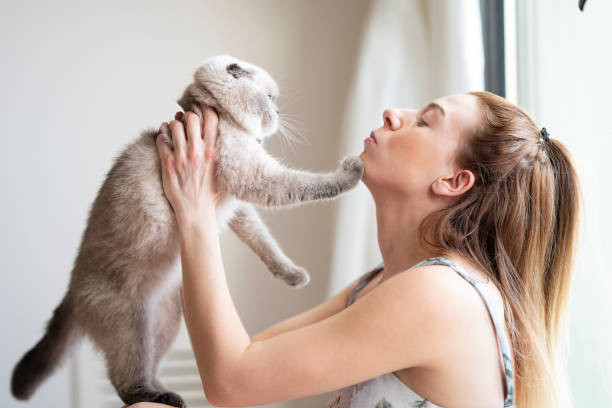
What Is Cat Training?
Cat training is the process of teaching your cat or kitten to understand and respond to commands, routines, and desired behaviors. Whether you’re introducing basic house manners, using the litter box consistently, or teaching fun tricks, training helps your cat become a confident and well-adjusted companion. Train Your Purebred Kitten today by checking on our site for more informaton.
Unlike outdated training methods that rely on punishment, modern cat training focuses on positive reinforcement. By rewarding good behavior with treats, praise, toys, or affection, you encourage your cat to repeat those behaviors while building trust and confidence.
Training also works with your cat’s natural instincts, making it easier to encourage good habits and gently discourage unwanted behaviors. With patience, consistency, and the right approach, cats of all ages—including purebred kittens—can successfully learn new skills and routines.
Why Is Training Your Cat Important?
Training is one of the best investments you can make in your cat’s long-term health, safety, and happiness. Beyond teaching basic commands, it helps establish healthy habits, reduces behavioral problems, and strengthens the relationship between you and your pet.
The benefits of cat training include:
- Teaching appropriate indoor behaviors
- Preventing unwanted scratching and destructive habits
- Encouraging consistent litter box use
- Improving communication between you and your cat
- Providing mental stimulation that reduces boredom
- Building trust through positive interactions
- Keeping your cat safe by teaching useful commands
Early training is especially valuable for kittens because it helps them develop good habits that often last a lifetime. Starting while your kitten is young can make future training easier and create a stronger bond between you and your feline companion.
Understanding Your Cat’s Body Language and Vocalizations
Successful cat training goes beyond teaching commands—it also involves learning how your cat communicates with you.
Cats express their feelings through body posture, facial expressions, tail movements, ear position, and a wide range of vocalizations. By recognizing these signals, you can better understand when your cat feels relaxed, playful, frightened, stressed, or excited.
For example:
- A raised tail often signals confidence and friendliness.
- Slow blinking is commonly interpreted as a sign of trust and affection.
- Flattened ears or a twitching tail may indicate fear, discomfort, or irritation.
- Different meows can communicate hunger, curiosity, or a desire for attention.
Responding appropriately to these cues helps your cat feel understood and secure, making training sessions more productive and reducing the likelihood of stress-related behavioral issues.
Preparing Your Home for Successful Cat Training
Creating a safe and stimulating environment is an essential part of raising a well-behaved cat. A home designed with your cat’s needs in mind encourages positive behaviors while reducing opportunities for unwanted habits.
To prepare your home for a new kitten or cat, consider providing:
- Sturdy scratching posts and cat trees
- Comfortable sleeping and hiding areas
- Interactive toys and puzzle feeders
- Easy access to food, water, and litter boxes
- Safe climbing and observation spaces
- A cat-proof environment free from toxic plants, exposed cords, and other hazards
A well-prepared home allows your cat to express natural behaviors such as climbing, scratching, exploring, and resting in appropriate ways. Combined with consistent positive reinforcement, the right environment lays the foundation for successful training and a happy, confident feline companion.
By understanding your cat’s behavior and creating a supportive home environment, you’ll set the stage for lifelong learning, better communication, and a stronger bond with your furry friend.
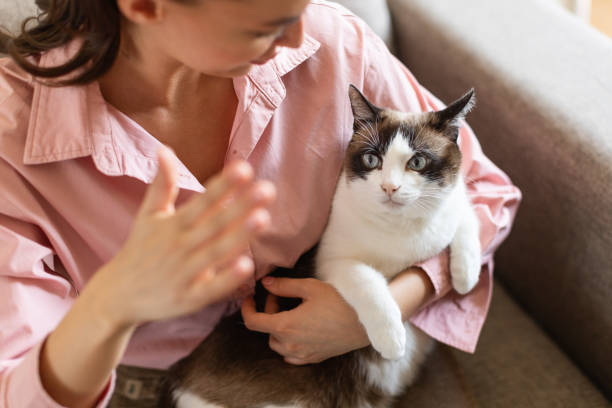
Top 10 Basic Tricks to Teach Your Purebred Kitten
Bringing home a purebred kitten is the beginning of an exciting journey filled with companionship, play, and learning. While kittens are naturally curious and intelligent, they also benefit greatly from early training. Teaching simple tricks helps develop good behavior, keeps your kitten mentally stimulated, and strengthens the bond you share.
The best part? Cats can learn much more than many people realize. With patience, consistency, and positive reinforcement, your kitten can master a variety of basic tricks that make everyday life more enjoyable.
Here are the top 10 basic tricks every purebred kitten can learn and how to teach them successfully.
1. Come When Called
One of the most important commands your kitten can learn is to come when called. This simple trick can improve your kitten’s safety by allowing you to call them away from potentially dangerous situations or locate them quickly around the house.
How to Teach It
- Begin training in a quiet room with few distractions.
- Call your kitten using its name or a consistent cue.
- Reward them immediately with a favorite treat, toy, or praise when they come to you.
- Repeat several short sessions each day.
- Gradually increase the distance and add mild distractions as your kitten becomes more confident.
Breeds That Excel
Maine Coons are highly intelligent and often learn recall quickly because of their social and people-oriented personalities.
2. Sit
Teaching your kitten to sit is one of the easiest and most useful obedience commands. It provides the foundation for learning many other tricks while encouraging calm behavior.
How to Teach It
- Hold a treat close to your kitten’s nose.
- Slowly move the treat upward and slightly behind their head.
- As they naturally lower into a sitting position, say “Sit.”
- Immediately reward the behavior.
- Practice in short sessions until the command becomes consistent.
Breeds That Excel
Devon Rex cats are fast learners and enjoy interactive training sessions that challenge their intelligence.
3. High Five
High five is a fun trick that encourages interaction while improving your kitten’s coordination and confidence.
How to Teach It
- Ask your kitten to sit.
- Hold a treat in one hand.
- Gently encourage your kitten to lift a front paw.
- Touch your open palm to their paw while saying “High Five.”
- Reward immediately.
- Repeat until your kitten begins offering the paw independently.
Breeds That Excel
The affectionate Sphynx enjoys human interaction and often learns this playful trick quickly.
4. Stay
The “stay” command teaches patience and self-control while helping keep your kitten safe in potentially risky situations.
How to Teach It
- Begin with your kitten sitting.
- Hold your hand up and say “Stay.”
- Take one small step backward.
- If your kitten remains in place, reward them.
- Gradually increase both the distance and the length of time before giving the reward.
Breeds That Excel
Ragdolls are naturally calm and patient, making them excellent candidates for learning the stay command.
5. Fetch
Many people are surprised to discover that some cats genuinely enjoy playing fetch. This game provides excellent physical exercise while satisfying your kitten’s hunting instincts.
How to Teach It
- Choose a lightweight toy your kitten enjoys.
- Toss it a short distance.
- Encourage your kitten to chase and pick it up.
- Call them back enthusiastically.
- Reward them whenever they return with the toy.
- Repeat regularly to build the habit.
Breeds That Excel
Toygers are playful, energetic cats that often enjoy interactive games like fetch.
6. Jump Through a Hoop
Jumping through a hoop is an entertaining trick that builds agility, confidence, and coordination.
How to Teach It
- Place the hoop flat on the floor.
- Encourage your kitten to walk through it using treats.
- Once comfortable, raise the hoop slightly.
- Continue rewarding every successful jump.
- Increase the height gradually while keeping the activity safe and enjoyable.
Breeds That Excel
The athletic Norwegian Forest Cat naturally enjoys climbing and jumping, making agility training particularly rewarding.
7. Use a Scratching Post
Teaching your kitten to use a scratching post is one of the most valuable forms of training. It protects your furniture while allowing your cat to satisfy its natural scratching instincts.
How to Teach It
- Place scratching posts near your kitten’s favorite resting areas.
- Sprinkle catnip on the post if appropriate.
- Encourage interaction using toys.
- Reward your kitten every time they scratch the post.
- Avoid punishing unwanted scratching. Instead, redirect your kitten to the scratching post.
Breeds That Excel
The playful Devon Rex usually adapts quickly to scratching posts when introduced early.
8. Walk on a Leash
Leash training gives indoor cats a safe opportunity to explore the outdoors while remaining under your supervision.
How to Teach It
- Introduce a properly fitted harness indoors.
- Allow your kitten to wear it for short periods.
- Attach a lightweight leash once they appear comfortable.
- Practice walking indoors before moving outside.
- Begin outdoor adventures in quiet, secure locations.
Breeds That Excel
The curious Sphynx often enjoys supervised outdoor exploration and adapts well to leash training.
9. Roll Over
Rolling over is a fun trick that encourages flexibility and builds trust between you and your kitten.
How to Teach It
- Ask your kitten to lie down.
- Hold a treat near their nose.
- Slowly guide the treat over one shoulder.
- Encourage your kitten to roll onto their back and continue the movement.
- Reward each successful attempt.
- Keep training sessions short and positive.
Breeds That Excel
Relaxed and affectionate Ragdolls often enjoy learning this gentle trick because they are comfortable being handled.
10. Play Dead
Playing dead is a more advanced trick that demonstrates your kitten’s intelligence and ability to follow multiple commands.
How to Teach It
- Ask your kitten to lie down.
- Gently encourage them to rest on one side.
- Introduce a verbal cue such as “Bang!” or “Play Dead.”
- Reward your kitten for remaining still.
- Gradually increase the amount of time they hold the position before rewarding them.
Breeds That Excel
The intelligent Toyger often performs this dramatic trick with enthusiasm and confidence.
Tips for Successful Kitten Training
Every kitten learns at its own pace, but a few simple techniques can make training more effective.
Best Practices for Training Your Purebred Kitten
- Keep training sessions between 5 and 10 minutes.
- Use positive reinforcement with treats, praise, or toys.
- Train consistently every day.
- Never punish mistakes.
- End each session on a positive note.
- Be patient and celebrate small successes.
Consistency is the key to helping your kitten understand what you expect while making training an enjoyable experience.
Final Thoughts
Teaching your purebred kitten basic tricks is about more than entertainment. Training provides valuable mental stimulation, encourages healthy behaviors, and builds a lifelong bond between you and your feline companion.
Whether you’re teaching your kitten to come when called, sit, fetch, or walk on a leash, every successful lesson strengthens communication and trust. With patience, encouragement, and regular practice, your kitten will grow into a confident, well-behaved, and happy companion that enjoys learning new skills throughout life.
Essential Kitten Training Tips for Every Trick
No matter which trick you’re teaching, following a few proven training techniques will help your purebred kitten learn more quickly and enjoy the process. Successful kitten training isn’t about perfection—it’s about building trust, encouraging positive behavior, and creating a fun learning experience.
Be Patient and Use Positive Reinforcement
Patience is one of the most important ingredients in successful cat training. Every kitten learns at its own pace, so avoid rushing the process or becoming frustrated.
Instead, reward good behavior immediately with treats, praise, toys, or gentle affection. Positive reinforcement encourages your kitten to repeat desired behaviors while strengthening your bond. Punishment or harsh corrections can create fear and make training less effective.
Keep Training Sessions Short
Kittens have short attention spans, so brief training sessions produce the best results.
Aim for 5 to 10 minutes per session, one or two times each day. Ending each lesson on a positive note keeps your kitten excited and motivated for the next training session.
Stay Consistent
Consistency helps your kitten understand exactly what you’re asking.
Use the same verbal commands, hand signals, and rewards every time you practice. Changing commands or expectations can confuse your kitten and slow their progress.
Regular practice also helps reinforce learned behaviors and builds confidence over time.
Understand Your Kitten’s Breed and Personality
Every kitten has a unique personality, but certain purebred cats may naturally excel at specific types of training.
For example:
- Maine Coons often learn commands quickly because of their intelligence and social nature.
- Devon Rex kittens enjoy interactive games and problem-solving activities.
- Ragdolls typically respond well to gentle, reward-based training.
- Sphynx cats thrive on human interaction and often enjoy learning tricks that involve their owners.
While breed characteristics can influence learning styles, patience and consistency remain the biggest factors in successful training.
Final Thoughts
Teaching your purebred kitten basic tricks is about much more than showing off fun skills. Training provides valuable mental stimulation, encourages healthy physical activity, reduces boredom, and helps prevent many common behavioral problems before they develop.
More importantly, every training session strengthens communication and builds a lasting relationship based on trust and positive experiences.
Whether you’re teaching your kitten to sit, come when called, use a scratching post, or walk on a leash, each small success contributes to raising a confident, well-mannered, and happy feline companion.
Remember that every kitten learns differently. Celebrate progress, stay patient, and make learning enjoyable. Over time, your dedication will be rewarded with a well-trained cat and a lifelong friendship built on mutual understanding and affection.
If you’re looking for more expert advice on kitten care, cat training, and raising a healthy purebred kitten, explore our collection of helpful guides and resources to support every stage of your feline companion’s journey. ion, check out our blog section here. Adopting is also never this easy with our fast adoption, check out our available purebred kittens for adoption now. For more information, visit https://kittyversestore.com/ or Contact Us Now.