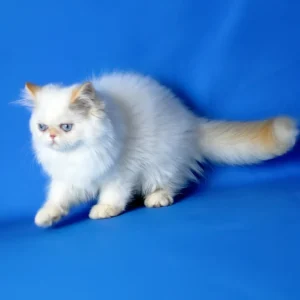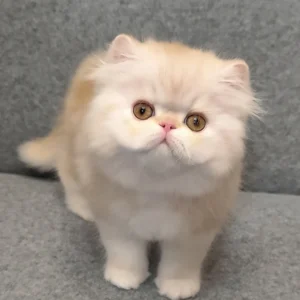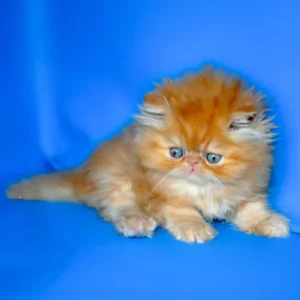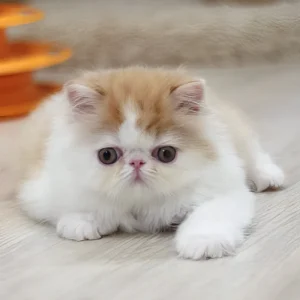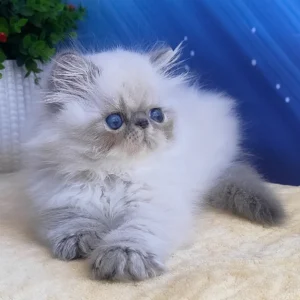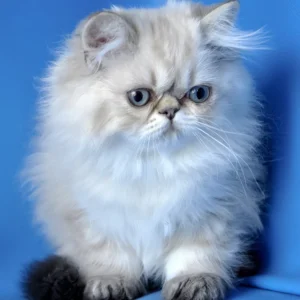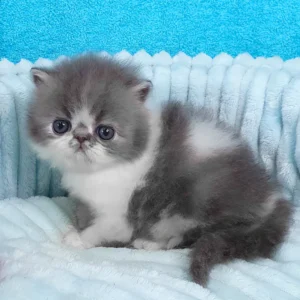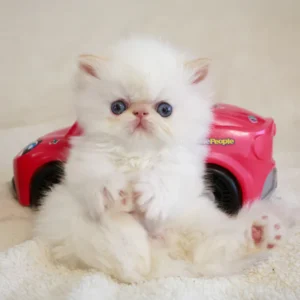
Persian Kitten

Showing 1–12 of 13 results
Persian Cat Breed Guide

The Persian Cat is one of the world’s most recognizable and beloved cat breeds, admired for its luxurious long coat, sweet facial expression, and calm personality. Known for its elegant appearance and affectionate nature, the Persian cat breed has remained a favorite among cat lovers for generations.

Persian Cat Appearance

The Persian Cat has a sturdy, medium-to-large body with a broad chest, short muscular legs, and a thick neck that gives it a solid, well-balanced appearance. Its short, fluffy tail complements its rounded body shape, while its small ears and large, expressive eyes create the breed’s signature adorable look.

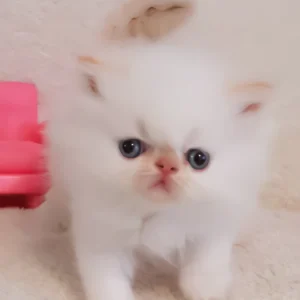
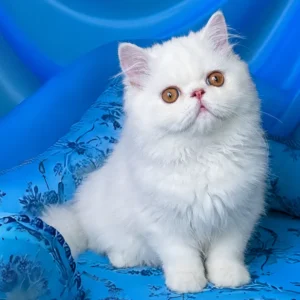
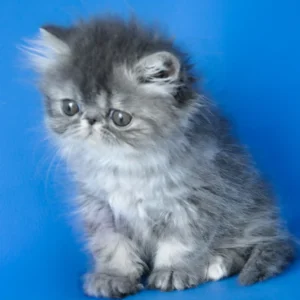
One of the Persian’s most distinctive features is its flat face, also known as a brachycephalic face. The short nose sits between large, round eyes, giving the breed a unique and charming expression.

The breed’s most impressive feature is its long, dense, silky coat. Available in a wide variety of colors and patterns, the Persian’s luxurious fur is soft, full, and naturally glossy when properly groomed.

Persian Cat Personality

The Persian Cat is known for its gentle, affectionate, and easygoing temperament. Although they enjoy relaxing for much of the day, they also have playful moments where they chase toys, explore their surroundings, and display kitten-like bursts of energy.

Persians enjoy spending time with their families and often seek quiet companionship. They love curling up beside their owners, resting on laps, or sleeping comfortably nearby. Their calm personality makes them excellent companions for families, seniors, and apartment living.

Unlike many highly active cat breeds, Persians adapt well to predictable routines and generally welcome visitors without becoming overly nervous or aggressive.

Caring for a Persian Cat

Proper Persian Cat care is essential to keep this beautiful breed healthy and comfortable.

Nutrition

A balanced, high-quality diet helps maintain your Persian’s ideal weight and supports healthy skin and coat condition. Because Persian Cats tend to be less active than many other breeds, portion control is important to prevent obesity.

Choose cat food rich in animal protein, healthy fats, vitamins, and essential nutrients appropriate for your cat’s age and activity level.

Exercise and Play

Although Persians have a relaxed personality, they still benefit from daily exercise. Encourage activity through interactive toys, feather wands, puzzle feeders, cat tunnels, and gentle play sessions to keep them physically fit and mentally stimulated.

Grooming Requirements

The Persian Cat’s long coat requires daily grooming to prevent mats, tangles, and excessive shedding. Brushing with a high-quality comb or slicker brush helps remove loose hair while keeping the coat soft and shiny.

Because of their flat facial structure, many Persians also develop tear staining. Gently cleaning around the eyes each day with a soft, damp cloth helps prevent staining and irritation.

Regular nail trimming, ear cleaning, and dental care should also be included in your grooming routine to support your cat’s overall health.

Persian Cat History

The Persian Cat is one of the oldest and most famous long-haired cat breeds in the world. Although its exact origins remain uncertain, historians believe long-haired cats arrived in Europe from parts of Asia during the 16th century.

One of the earliest documented introductions occurred when Italian traveler Pietro Della Valle brought long-haired cats from Persia (modern-day Iran) to Italy during the 1600s. Around the same period, additional long-haired cats were imported from Turkey, including ancestors of today’s Turkish Angora.

Over time, breeders selectively crossed these beautiful long-haired cats to develop the modern Persian cat breed. Through careful breeding, the Persian acquired its luxurious coat, rounded body, and distinctive flat face that are now recognized worldwide.

The breed gained tremendous popularity during the Victorian era when Queen Victoria became a devoted admirer of Persian Cats. Royal patronage helped increase the breed’s popularity throughout Europe and eventually North America.

By the late 19th century, Persian Cats had been introduced to the United States, where they quickly became one of the country’s most popular and admired cat breeds. Today, they remain a favorite choice for families and cat enthusiasts thanks to their elegant appearance, gentle temperament, and affectionate personality.

Persian Kitten Grooming and Care Guide

Proper Persian kitten grooming is essential for keeping your kitten’s long, luxurious coat healthy, soft, and free from painful mats and tangles. Because Persian kittens have dense, silky fur, a consistent grooming routine should begin as early as possible to help them become comfortable with regular handling.

Daily Persian Kitten Grooming Routine

A few minutes of grooming each day can make a big difference in your kitten’s overall comfort and appearance.

Brush the Coat Every Day

Use a metal comb and a soft slicker brush to gently brush your Persian kitten from the skin outward. This helps remove loose hair, prevent tangles, and distribute natural oils that keep the coat shiny and healthy.

Focus on High-Risk Areas

Mats often develop in areas where the fur rubs together. Pay special attention to:

  • Behind the ears
  • Under the front and back legs
  • Around the tail
  • Along the chest and belly

Eye Cleaning

Because Persian kittens have flat faces, they may develop tear staining around the eyes. Wipe the area daily with a soft cloth dampened with warm water to keep the face clean and reduce irritation.

Ear and Nail Care

Inspect your kitten’s ears weekly for dirt, wax buildup, or redness, and clean them if necessary using a veterinarian-approved ear cleaner. Trim the nails every few weeks to prevent overgrowth and scratching.

Bathing a Persian Kitten

Regular bathing helps keep a Persian kitten’s coat clean, soft, and free from excess oil and dirt. Depending on coat condition and lifestyle, most Persian kittens benefit from a bath every 3–6 weeks.

When bathing your kitten:

  • Use a gentle, cat-specific shampoo
  • Avoid getting water in the ears and eyes
  • Rinse the coat thoroughly
  • Dry the fur completely with a towel and a low-heat dryer if your kitten tolerates it

A fully dry coat is important to prevent tangles and skin irritation.

Best Nutrition for a Persian Kitten

Feeding a high-quality diet is one of the most important parts of Persian kitten care. Proper nutrition supports healthy growth, a strong immune system, and a shiny, healthy coat.

Choosing the Best Food for Persian Kittens

Look for a premium kitten food that provides balanced nutrition and is rich in animal protein.

A good Persian kitten food should:

  • List real meat (such as chicken, turkey, or salmon) as the first ingredient
  • Contain essential vitamins and minerals for growth
  • Include healthy fats for skin and coat health
  • Avoid excessive fillers, artificial colors, and preservatives
  • Be formulated for kittens or specifically for long-haired breeds when possible

Offering a combination of wet food and dry food can provide both hydration and dental benefits. Always make sure your kitten has access to fresh, clean water throughout the day.

Persian Kitten Feeding Schedule

Young kittens have small stomachs and need frequent meals. Feed three to four small meals daily during the first months of life. As your Persian kitten grows, you can gradually transition to fewer meals according to your veterinarian’s advice and the feeding guidelines on the food package.

Monitor your kitten’s weight and body condition regularly to ensure healthy growth without overfeeding.

Persian Kitten Health Care

Routine veterinary care is essential for keeping your Persian kitten healthy and detecting potential problems early.

Important Veterinary Care

Schedule regular checkups with your veterinarian and keep all vaccinations up to date. Your vet will also recommend a deworming schedule and discuss the best flea and tick prevention plan for your kitten’s age and lifestyle.

Monitor Growth and Health

Keep track of your kitten’s weight, appetite, energy level, and overall development. Contact your veterinarian if you notice any unusual symptoms, such as:

  • Poor appetite
  • Excessive tearing
  • Difficulty breathing
  • Lethargy
  • Vomiting or diarrhea
  • Sudden changes in behavior

Early treatment is especially important for Persian kittens because their flat facial structure can make them more prone to certain respiratory and eye-related issues.

With proper Persian kitten grooming, balanced nutrition, and regular veterinary care, your kitten can grow into a healthy, affectionate, and beautifully coated adult Persian cat.

Common Persian Kitten Health Issues

Like many purebred cats, Persian kittens may be more susceptible to certain health conditions because of their flat facial structure and long, luxurious coats. Understanding these potential issues and providing regular preventive care can help your kitten live a long, healthy life.

One of the most common concerns is excessive tearing, which can lead to tear stains and eye irritation. Cleaning your Persian kitten’s eyes every day with a soft, damp cloth helps keep the area clean and reduces the risk of infection.

Dental care is also essential. Persian kittens can develop plaque and gum disease if their teeth are not properly maintained. Regular dental checkups, veterinarian-approved tooth brushing, and dental treats can help support good oral health.

Keeping your Persian kitten indoors is highly recommended. Indoor living protects your kitten from parasites, contagious diseases, traffic accidents, and injuries while providing a safer and healthier environment.

Routine veterinary examinations, vaccinations, parasite prevention, and proper nutrition are key to maintaining your Persian kitten’s overall health and well-being.

Creating a Safe Home for Your Persian Kitten

A safe, comfortable home plays an important role in your Persian kitten’s physical and emotional development. Since Persian Cats are best suited to indoor living, preparing your home before bringing your kitten home is essential.

Essential Supplies for a Persian Kitten

To ensure your kitten has everything it needs, prepare the following items:

A spacious litter box with high-quality cat litter
Ceramic or stainless-steel food and water bowls
A comfortable cat bed or cozy sleeping area
Cat trees and scratching posts for exercise
Interactive toys for mental stimulation
Grooming tools, including a metal comb, slicker brush, and nail clippers
A secure pet carrier for veterinary visits and travel

Providing these essentials helps your Persian kitten feel secure while encouraging healthy habits from an early age.

Kitten-Proof Your Home

Before your kitten arrives, remove or secure anything that could pose a danger.

Safety precautions include:

Removing toxic houseplants
Hiding electrical cords
Storing small objects that could be swallowed
Securing windows and balconies
Keeping cleaning products and medications out of reach

Create quiet resting areas where your kitten can relax whenever it needs privacy or uninterrupted sleep.

Socializing and Training Your Persian Kitten

Proper socialization helps Persian kittens develop into calm, friendly, and confident adult cats. Early positive experiences make it easier for them to adapt to new people, pets, and environments.

Socialization Tips

Help your kitten build confidence by:

Handling it gently every day
Introducing new experiences gradually
Allowing positive interactions with family members
Rewarding calm and desirable behavior with praise or treats
Establishing a consistent daily routine

Regular handling also makes grooming, nail trimming, and veterinary visits much less stressful.

Litter Box Training

Most Persian kittens arrive in their new homes already litter trained. However, they still need time to become familiar with their new environment.

Place the litter box in a quiet, easily accessible location and keep it clean by removing waste daily. A clean litter box encourages consistent use and helps prevent accidents.

Lifetime Support for Persian Kitten Owners

Caring for a Persian kitten is a rewarding experience, and ongoing guidance can make the journey even more enjoyable.

Whether you need advice about Persian kitten grooming, nutrition, training, health care, or behavior, don’t hesitate to seek professional support from your veterinarian or a trusted breeder.

With proper care, regular grooming, a nutritious diet, and plenty of love, your Persian kitten can grow into a healthy, affectionate, and beautiful companion that will bring joy to your family for many years.