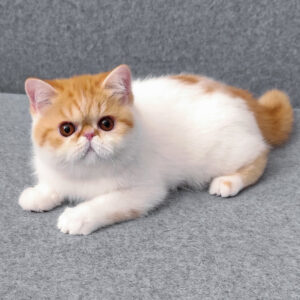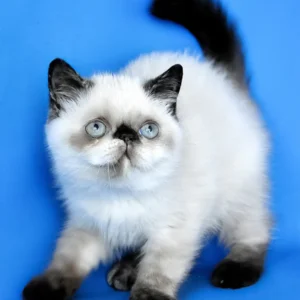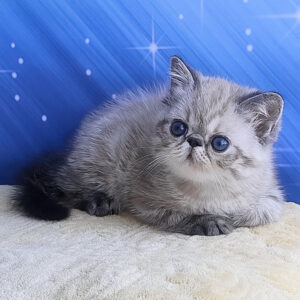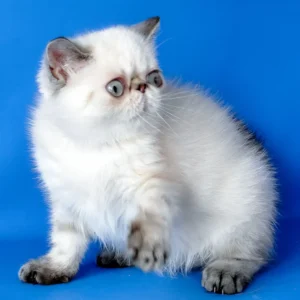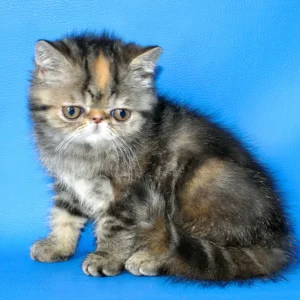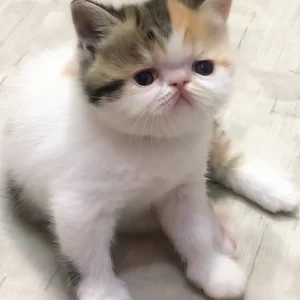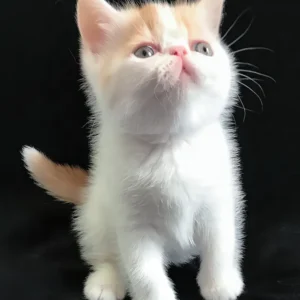
Exotic Shorthair Kitten
Showing all 6 results
exotic shorthair kitten breeders
Exotic Shorthair Kitten: Breed Information, Personality & Care Guide
The Exotic Shorthair kitten is a lovable breed that closely resembles the Persian cat, but with a short, plush coat that is much easier to care for. Often referred to as the “lazy man’s Persian,” the Exotic Shorthair offers the same adorable flat face, round eyes, and affectionate personality without the high grooming demands of a long-haired coat.
An adult Exotic Shorthair cat typically stands 10 to 12 inches (25–30 cm) tall at the shoulder and weighs between 10 and 12 pounds (4.5–5.5 kg). Their sturdy build, round head, chubby cheeks, and sweet expression make them one of the most recognizable cat breeds in the world.
Known for their calm, gentle, and affectionate temperament, Exotic Shorthairs enjoy spending time with their families and adapt well to both apartments and larger homes. They are playful without being overly active, making them excellent companions for children, seniors, and first-time cat owners.
The breed is also widely recognized through Garfield, the famous orange cartoon cat known for his love of lasagna and relaxed personality. While Garfield is a fictional character, his appearance has helped make the Exotic Shorthair breed one of the most popular and recognizable cat breeds worldwide.
If you’re looking for a friendly, low-maintenance companion with the classic Persian look, the Exotic Shorthair kitten is an excellent choice.
Caring for an Exotic Shorthair
Exotic Shorthair Personality, Care, Lifespan & Common Health Problems
Exotic Shorthair Personality
Despite the popular image created by Garfield, the Exotic Shorthair cat is far from lazy. This affectionate breed enjoys relaxing with its family but also has a playful, curious, and intelligent side. Exotic Shorthairs love interactive toys, exploring their surroundings, and spending quality time with their owners.
These cats thrive on companionship and do not enjoy being left alone for long periods. They generally get along well with children, other cats, and even cat-friendly dogs, making them an excellent choice for families and multi-pet households.
Exotic Shorthair Grooming and Care
One of the biggest advantages of owning an Exotic Shorthair kitten is its easy-to-maintain coat. Unlike the long-haired Persian, the Exotic Shorthair has a dense, plush, short coat that requires much less grooming.
Brushing your Exotic Shorthair cat once a week helps remove loose hair, reduce shedding, and keep the coat soft and healthy. During seasonal shedding periods, particularly in spring, more frequent brushing may be necessary to prevent excess hair buildup and keep your cat comfortable.
Exotic Shorthair Lifespan and Health
The Exotic Shorthair breed was developed during the 1950s by crossing Persian cats with American Shorthairs and, in some breeding programs, Burmese cats. These cats typically enjoy a lifespan of 8 to 15 years when provided with proper nutrition, regular veterinary care, and a healthy lifestyle.
Like many flat-faced (brachycephalic) breeds, Exotic Shorthairs may inherit certain genetic health conditions. Purchasing an Exotic Shorthair kitten from a responsible breeder who performs health screenings can significantly reduce the risk of inherited diseases. Many reputable breeders use DNA testing and avoid breeding cats that carry known genetic disorders.
Pet insurance is also worth considering, as it can help cover unexpected veterinary expenses caused by illnesses or accidents.
Common Exotic Shorthair Health Problems
Hydrocephalus
Hydrocephalus is a rare congenital condition that can affect Exotic Shorthair kittens, especially those with extremely flat facial features. The disorder occurs when cerebrospinal fluid (CSF) builds up inside the brain, placing pressure on brain tissue and affecting normal development.
Common signs include:
A rounded or dome-shaped head
Smaller-than-average body size
Walking in circles
Poor balance or coordination
Pressing the head against objects
Difficulty breathing
Slow growth or poor development
Symptoms usually appear during the first weeks or months of life. Treatment varies depending on severity and may involve medication to manage symptoms or surgery in selected cases. Some affected cats require lifelong veterinary care.
Brachycephalic Airway Syndrome
The flat face that gives the Exotic Shorthair cat its adorable appearance can also contribute to breathing difficulties. This condition, known as Brachycephalic Airway Syndrome, occurs when the airways are partially obstructed because of the breed’s shortened skull structure.
Affected cats may have:
Narrow nostrils
An elongated soft palate
A smaller-than-normal windpipe (trachea)
These abnormalities can make exercise, hot weather, and stressful situations more difficult, especially for overweight or elderly cats.
If your Exotic Shorthair begins breathing with an open mouth, shows signs of severe breathing difficulty, or collapses, seek immediate veterinary attention, as these symptoms may indicate a medical emergency.
Polycystic Kidney Disease (PKD)
Polycystic Kidney Disease (PKD) is an inherited kidney disorder found in Persian cats and related breeds, including the Exotic Shorthair. The disease causes fluid-filled cysts to develop inside the kidneys, gradually reducing kidney function over time.
Signs of PKD may include:
Increased thirst
Frequent urination
Reduced appetite
Weight loss
Low energy levels
Although symptoms can appear in kittens as young as six months, many cats do not show noticeable signs until adulthood.
Fortunately, genetic testing allows breeders to identify carriers before breeding. When buying an Exotic Shorthair kitten, always ask for the parents’ DNA health test results. If you adopt an Exotic Shorthair, your veterinarian can recommend DNA screening or kidney evaluations to help detect PKD early and improve long-term health management.
Exotic Shorthair Diet, Feeding Guide & Nutrition Tips
Obesity in Exotic Shorthair Cats
Like many indoor cats, the Exotic Shorthair cat can become overweight if it consumes more calories than it burns. Because this breed has a flat face (brachycephalic structure), even a small amount of excess weight can increase the risk of breathing difficulties and reduce overall mobility.
Keeping your Exotic Shorthair at a healthy weight is one of the best ways to support a long and active life. Regular exercise, portion-controlled meals, and routine veterinary checkups all play an important role in preventing obesity. Your veterinarian can recommend the ideal daily calorie intake based on your cat’s age, weight, activity level, and overall health.
What to Feed an Exotic Shorthair
The Exotic Shorthair is an obligate carnivore, meaning it requires a protein-rich diet primarily made from animal-based ingredients. Feeding high-quality commercial cat food that provides complete and balanced nutrition is essential for maintaining healthy muscles, skin, coat, and immune function.
Choose cat food that meets the nutritional standards established by the Association of American Feed Control Officials (AAFCO) for your cat’s life stage, whether kitten, adult, or senior. Your veterinarian can also help you select the best food based on your cat’s individual dietary needs.
How to Feed an Exotic Shorthair Kitten
An Exotic Shorthair kitten grows quickly during its first year and requires frequent meals to support healthy development. Most kittens should be fed three to four small meals each day.
Some owners choose free-feeding for young kittens by leaving food available throughout the day. While this method may work during early growth, it should be monitored carefully to prevent overeating.
As your kitten matures into an adult, switching to scheduled feeding times is usually the healthier option.
Feeding Adult Exotic Shorthair Cats
Adult Exotic Shorthair cats generally do best when fed two or more measured meals per day. Feeding on a consistent schedule helps maintain a healthy weight, supports digestion, and reduces the risk of obesity.
Avoid overfeeding and monitor treats, as extra calories can quickly lead to unwanted weight gain.
How Much Should You Feed an Exotic Shorthair?
The ideal food portion for an Exotic Shorthair cat depends on several factors, including:
Age
Current weight
Ideal body weight
Activity level
Overall health
Type of cat food
Most commercial cat food packages include general feeding guidelines, but these are only estimates. For the most accurate feeding plan, consult your veterinarian, who can calculate the appropriate daily calorie intake for your cat.
Nutritional Tips for Exotic Shorthairs
A healthy Exotic Shorthair kitten or adult cat usually receives all the essential vitamins, minerals, and nutrients from a complete and balanced AAFCO-approved diet.
As your cat gets older or develops certain medical conditions, your veterinarian may recommend nutritional supplements to support overall health. Common supplements include:
Glucosamine and chondroitin to support joint health and mobility in senior cats.
Omega-3 fatty acids to promote healthy skin, a shiny coat, and heart health.
Probiotics to help maintain healthy digestion and support the immune system when recommended by your veterinarian.
Never add supplements to your cat’s diet without veterinary guidance, as unnecessary supplementation may do more harm than good.
Exotic Shorthair Behavior, Training & Grooming Guide
Exotic Shorthair Personality and Behavior
The Exotic Shorthair cat is known for its gentle, affectionate, and loyal personality. Although these cats may be a little reserved around unfamiliar people, they usually become warm and friendly once they feel comfortable. After building trust, an Exotic Shorthair forms strong bonds with its family and enjoys spending as much time as possible with the people it loves.
Unlike the more relaxed Persian cat, the Exotic Shorthair breed has a playful and curious side. They enjoy interactive games, chasing toys, and watching birds through the window. While they are active enough to stay entertained, they are generally less adventurous than many other cat breeds and are not known for climbing high furniture or making daring jumps.
Because they thrive on companionship, Exotic Shorthairs do not like being left alone for long periods. They are happiest in homes where someone is available to provide attention, affection, and daily interaction.
Training an Exotic Shorthair Cat
Training an Exotic Shorthair cat is usually a rewarding experience because this breed responds well to positive reinforcement. Rewards such as treats, praise, gentle petting, and playtime encourage good behavior while strengthening the bond between you and your cat.
Basic training can help your Exotic Shorthair learn useful behaviors, including:
Responding to its name
Using a scratching post
Coming when called
Performing simple tricks
Entering a carrier calmly for veterinary visits
Because the breed has a flat-faced (brachycephalic) skull, some Exotic Shorthairs may experience breathing difficulties or become overheated more easily than other cats. For this reason, harness and leash training is generally not recommended unless your veterinarian advises it is safe for your individual cat.
Fun Activities for Exotic Shorthairs
Keeping your Exotic Shorthair kitten or adult cat mentally stimulated helps prevent boredom and supports overall well-being. Some favorite activities include:
Playing with balls, feather wands, and puzzle toys
Cuddling with family members
Relaxing in sunny windows
Sitting on their owner’s lap
Watching birds or outdoor wildlife
Sleeping in a soft, comfortable cat bed
Exploring cat trees with low platforms and cozy resting areas
Exotic Shorthair Grooming Guide
Although the Exotic Shorthair has a shorter coat than the Persian, regular grooming is still important for maintaining a healthy appearance. Their thick, plush fur gives the breed its signature teddy bear look and comes in a wide variety of colors and patterns, including tabby, solid, bicolor, colorpoint, and tortoiseshell.
Skin Care
Most Exotic Shorthair cats do not require frequent bathing or specialized skin care. However, regularly checking your cat’s skin for redness, irritation, dryness, or excessive scratching can help detect health problems early.
Year-round flea and parasite prevention is recommended, even for indoor cats, to protect both the skin and overall health.
Coat Care
The Exotic Shorthair’s dense, short coat is much easier to maintain than that of a Persian cat. Brushing once each week is usually enough to remove loose hair, reduce shedding, and keep the coat soft and healthy.
During seasonal shedding, particularly in spring, brushing two or three times per week can help control excess fur and minimize hairballs.
Eye Care
The large, round eyes of the Exotic Shorthair cat are one of its most recognizable features. Eye colors may include blue, green, gold, copper, or yellow, depending on coat color and genetics.
Because of their flat facial structure, Exotic Shorthairs often produce more tears than other breeds, which can lead to tear staining beneath the eyes. Gently wiping the eye area each day with a soft cloth dampened in warm water helps keep the face clean and comfortable.
If you notice persistent redness, swelling, thick discharge, excessive tearing, or signs of pain, contact your veterinarian promptly to rule out infection or other eye conditions.
Ear Care
Exotic Shorthairs have relatively small, rounded ears that should be inspected regularly as part of their grooming routine. Dirt, wax buildup, unpleasant odors, redness, or discharge may indicate an ear infection or other medical problem.
Clean your cat’s ears only with a veterinarian-approved ear cleaner, and avoid inserting cotton swabs deep into the ear canal. If you notice unusual discharge, foul smells, excessive scratching, or head shaking, schedule a veterinary examination as soon as possible.
Exotic Shorthair Cat FAQs
How Much Does an Exotic Shorthair Cat Cost?
The price of an Exotic Shorthair kitten generally ranges from $750 to $1,000, depending on factors such as the breeder’s reputation, bloodline, coat color, location, and whether the kitten is intended as a pet or for breeding. Show-quality kittens or those from champion bloodlines may cost more.
If you’re looking for a more affordable option, retired breeding cats or adult Exotic Shorthair cats are sometimes available at lower prices. You can also consider adopting through a rescue organization or shelter that specializes in Exotic Shorthair or Persian cats, giving a deserving cat a loving forever home.
Are Exotic Shorthair Cats Good Pets?
Yes, Exotic Shorthair cats are widely considered one of the best companion cat breeds. They are affectionate, gentle, and easygoing, making them an excellent choice for individuals, couples, families with children, and senior pet owners.
The Exotic Shorthair is known for its calm personality while still enjoying daily play and interaction. These cats usually adapt well to apartment living and can get along with other cats and cat-friendly dogs when introduced slowly and properly.
Their loving nature and relatively low grooming needs also make them a popular choice for first-time cat owners.
Do Exotic Shorthair Cats Like to Be Held?
Most Exotic Shorthair cats enjoy close physical contact with their owners. While every cat has its own personality, many Exotic Shorthairs love being cuddled, carried for short periods, and relaxing on their owner’s lap.
Because they form strong bonds with their families, they often seek affection and enjoy spending time near their favorite people. Respecting your cat’s comfort level and allowing it to choose when to cuddle helps build trust and creates a stronger relationship over time.