
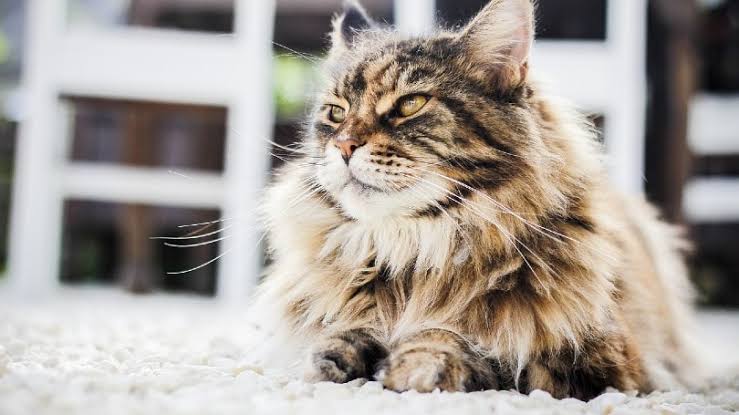
A Tortie Persian kitten combines the luxurious appearance of the Persian cat with a beautiful tortoiseshell color pattern. With its long, flowing coat, expressive eyes and distinctive mixture of colors, a Tortie Persian can be an especially eye-catching companion.
If you are searching for a Persian tortie kitten, learning about its appearance, personality, grooming requirements, nutrition and general care can help you decide whether this type of kitten is suitable for your home.
What Is a Tortie Persian Kitten?
A Tortie Persian kitten is a Persian cat with a tortoiseshell coat pattern. “Tortie” is commonly used as a shortened form of tortoiseshell.
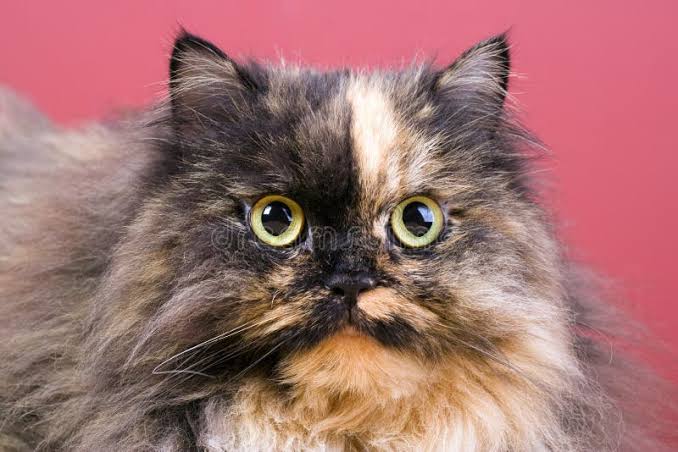
The coat can contain a combination of darker and warmer shades, often creating an individual pattern that makes each kitten look different. The exact distribution of colors can vary considerably from one kitten to another.
A Tortie Persian kitten has the characteristic Persian features in addition to its tortoiseshell coloring, including a long coat, compact appearance and a distinctive facial structure.
What Does a Tortie Persian Kitten Look Like?
One of the most attractive features of a Tortie Persian is its coat.
Depending on the individual kitten, the coat may contain combinations of colors such as:
- Black or dark areas
- Orange or red patches
- Cream-colored sections
- Different shades blended throughout the coat
The pattern can appear in large patches, small areas or a mixture of both. This means that two Tortie Persian kittens can have noticeably different appearances even though they share the same general color pattern.
As the kitten grows, its coat develops and its adult appearance becomes more defined.
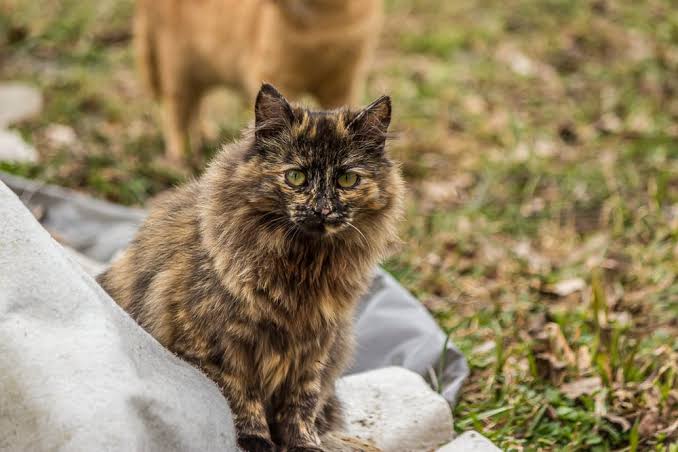
Persian Tortoiseshell Kitten Coat Pattern
The tortoiseshell pattern is not a single solid color. Instead, it is characterized by a mixture of colors distributed across the coat.
This makes a tortoiseshell Persian kitten visually different from Persian cats with solid, tabby or colorpoint patterns.
The exact pattern is unique to each cat. Some kittens may have a stronger dark appearance, while others may show more visible orange or cream areas.
Tortie Persian Kitten Personality
A kitten’s personality is influenced by individual temperament, genetics, early socialization and its environment.
Persian cats are often appreciated for their affectionate and companionable nature, but individual cats can behave differently.
A Tortie Persian kitten may enjoy:
- Gentle interaction
- Quiet time with its owner
- Interactive play
- Exploring its surroundings
- Comfortable sleeping areas
- Attention from familiar people
Young kittens are generally more energetic and curious than adult cats, so expect periods of active play followed by plenty of rest.
Are Tortie Persian Kittens Good Family Pets?
A Persian kitten can be a suitable companion for many households when its care requirements are properly understood.
Families with children should teach them to handle the kitten gently. Children should not pull the kitten’s fur, chase it around the home or disturb it while sleeping or eating.
A quiet area where the kitten can retreat is particularly useful in a busy household.
Tortie Persian Kitten Grooming
Grooming is one of the most important responsibilities when caring for a Persian kitten.
The long coat can become tangled or matted if it is not maintained regularly. Starting gentle grooming while the kitten is young can help it become accustomed to being brushed.
A grooming routine may include:
- Gentle coat brushing
- Checking for tangles
- Cleaning around the face when necessary
- Nail care
- Routine dental care
- Regular inspection of the skin and coat
Use grooming tools appropriate for cats and introduce each part of the routine gradually.
How Often Should You Brush a Tortie Persian Kitten?
The long Persian coat requires regular attention. The exact grooming frequency depends on the kitten’s coat, lifestyle and tendency to develop tangles.
Short, gentle grooming sessions can be easier for a young kitten than one long session.
Pay particular attention to areas where fur can become tangled, including around the legs, chest, belly and behind the ears.
If severe mats develop, professional grooming or veterinary guidance may be appropriate rather than attempting to remove them aggressively at home.
Caring for a Tortie Persian Kitten’s Face
Persian cats can have facial structures that require owners to pay attention to the area around the eyes and nose.
Some Persian kittens may experience tear staining or moisture around the eyes. Keep the facial area clean using methods recommended by your veterinarian.
Never use harsh household cleaning products or unapproved substances around a kitten’s eyes.
If you notice persistent discharge, redness, swelling, squinting or other unusual symptoms, contact a veterinarian.
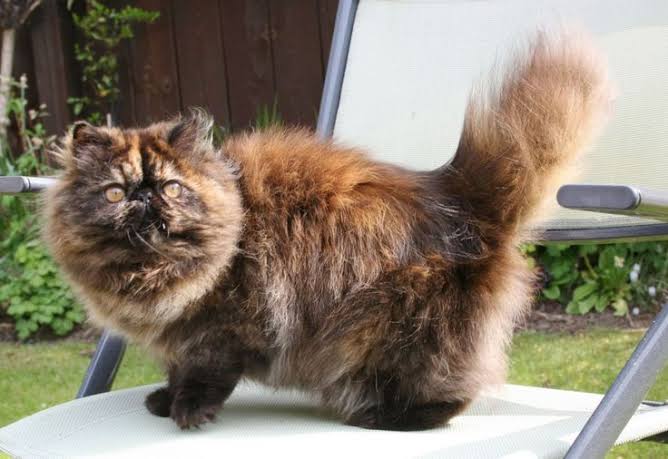
Feeding a Tortie Persian Kitten
A growing kitten needs a complete and balanced diet appropriate for its age and development.
When bringing home a kitten, ask the breeder, rescue organization or previous owner what food it has been eating. Keeping the diet consistent initially can make the transition easier.
Fresh drinking water should always be available.
If you plan to change the kitten’s food, introduce the new diet gradually and seek veterinary advice if the kitten develops persistent digestive problems or stops eating.
Tortie Persian Kitten Exercise and Play
Persian cats can enjoy play just like other kittens. Young kittens need opportunities to move, explore and develop coordination.
Suitable activities can include:
- Chasing lightweight balls
- Interactive wand play
- Safe kitten toys
- Puzzle feeders
- Scratching posts
- Supervised climbing and exploration
Several short play sessions can provide physical activity without overwhelming a young kitten.
Best Toys for a Tortie Persian Kitten
Choose toys that are appropriate for the kitten’s size and age.
Good options may include lightweight balls, interactive toys, soft toys and supervised wand toys.
Avoid toys with small detachable pieces that could be swallowed. Strings, ribbons and similar items should be used with appropriate supervision.
Inspect toys regularly and replace them when they become damaged.
Tortie Persian Kitten Health Care
Routine veterinary care is an important part of raising a healthy kitten.
Your veterinarian can provide guidance about:
- Vaccinations
- Parasite prevention
- General examinations
- Nutrition
- Dental care
- Coat and skin care
- Other age-appropriate health needs
When getting a Tortie Persian kitten, ask for available veterinary records and information about previous treatments.
Do not assume that a kitten is healthy simply because it looks active or has a beautiful coat.
Tortie Persian Kitten Eye Care
Eye care deserves particular attention when caring for Persian cats.
Some Persian cats may have watery eyes or tear staining because of their facial structure. Regular gentle cleaning can help keep the area comfortable and clean.
However, excessive discharge or sudden changes should not simply be treated as normal. Eye problems can have different causes, and a veterinarian should assess persistent or concerning symptoms.
How Much Does a Tortie Persian Kitten Cost?
The price of a Tortie Persian kitten can vary depending on factors such as location, pedigree, breeder, age, coat characteristics, registration and veterinary care.
Instead of comparing the advertised price alone, find out what is included.
Ask whether the price includes:
- Veterinary examination
- Vaccinations
- Deworming
- Health records
- Registration or pedigree documentation where applicable
- Microchipping where applicable
An unusually low price should encourage you to ask additional questions about the kitten’s background and care.
How to Choose a Healthy Tortie Persian Kitten
If you are considering purchasing or adopting a Tortie Persian kitten, look beyond its appearance.
Ask about the kitten’s:
- Age
- Health history
- Veterinary care
- Vaccinations
- Feeding routine
- Socialization
- Parents and background
- Living environment
Observe the kitten’s general behavior when possible. A kitten should be given time to become comfortable in unfamiliar surroundings rather than being judged from one brief interaction.
Tortie Persian Kitten vs. Other Persian Colors
Persian cats are available in many different coat colors and patterns.
A Tortie Persian is distinguished by its tortoiseshell coloring rather than being a separate breed.
Other Persian coat patterns can include solid colors, tabby patterns, bicolor combinations and colorpoint varieties.
If you have a particular color preference, ask the breeder or adoption organization for accurate information about the kitten’s coat and, where relevant, its parents.
Are Tortie Persian Kittens Rare?
The availability of a particular Tortie Persian kitten can vary by location and breeder.
The exact appearance of a tortoiseshell pattern is also highly individual, so finding a kitten with a specific combination or distribution of colors may take time.
Instead of choosing solely because a kitten is described as rare, focus on responsible breeding or adoption practices, health information and the kitten’s suitability for your household.
Preparing Your Home for a Tortie Persian Kitten
Prepare your home before your new kitten arrives.
You should have:
- A comfortable bed
- Kitten-appropriate food
- Fresh water
- A clean litter box
- A secure carrier
- Safe toys
- A scratching post
- Grooming supplies
Create a quiet area where the kitten can settle during the first few days.
Keep electrical cables, small objects, toxic household substances and other potential hazards out of reach.
How to Help a Tortie Persian Kitten Adjust
Moving into a new home can be stressful for a young kitten.
Give your new companion time to explore gradually. Avoid forcing it to interact with everyone immediately.
A predictable routine involving feeding, rest and gentle play can help the kitten become familiar with its surroundings.
If you have other pets, introduce them gradually and provide separate safe spaces.
Questions to Ask Before Getting a Tortie Persian Kitten
Before making a decision, ask the breeder, rescue organization or current owner:
- How old is the kitten?
- What veterinary care has it received?
- Has it received its appropriate vaccinations?
- Has it been dewormed?
- What food is it currently eating?
- Has it been socialized?
- Can I see relevant health records?
- Can I learn about its parents and background?
- What is the kitten’s temperament like?
- What care will it need after going home?
The answers can help you prepare for the kitten and identify whether the source is transparent about its care.
Is a Tortie Persian Kitten Right for You?
A Tortie Persian kitten can be a beautiful and affectionate companion, but its long coat means grooming should be part of your regular routine.
Before choosing one, consider whether you have enough time for grooming, play, veterinary care and daily companionship.
If you are prepared for those responsibilities, a Tortie Persian can become a wonderful addition to the right household.
Find Your Tortie Persian Kitten
The distinctive coloring of a Tortie Persian kitten makes each kitten unique. However, appearance should only be one part of your decision.
Look for reliable information about health, socialization, age, background and ongoing care. Whether you are researching a Persian tortie kitten, comparing Persian kitten colors or preparing to bring one home, understanding the breed’s needs can help you become a more prepared owner.
At Kittyverse Store, you can explore additional Persian kitten guides and cat-care resources covering grooming, nutrition, health, toys and life with your new feline companion.