
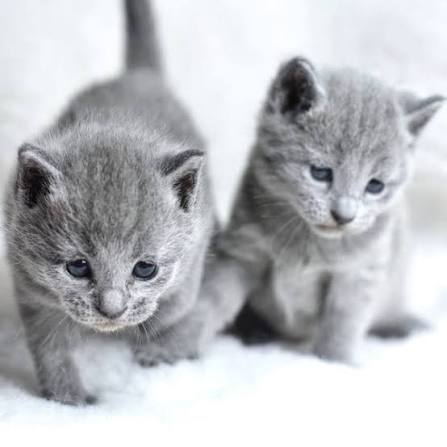
Looking for a Russian Blue kitten can be exciting, especially if you love cats with a beautiful blue-gray coat, a gentle appearance and an intelligent personality. However, finding the right kitten involves more than choosing the first cute photo you see online.
Whether you are searching for a Russian Blue cat kitten, researching Blue Russian kitten breeders, or looking for Russian Blue kitten adoption and rescue opportunities, it is important to understand what to look for before bringing a new companion home.
This guide covers the main options for finding a Russian Blue kitten and practical questions to ask before making your decision.
What Is a Russian Blue Kitten?
A Russian Blue kitten is a young cat of the Russian Blue breed, known for its short blue-gray coat and distinctive appearance. Russian Blues are often described as intelligent, observant and affectionate with the people they trust.
Their coat can have a silvery appearance because of the way light reflects from the fur. As kittens grow, their adult appearance becomes more defined.
If you are searching for a Russian Blue cat kitten, remember that a kitten’s appearance alone cannot confirm its breed. Documentation and information about its parents may be important if you specifically want a pedigreed Russian Blue.
What Makes the Russian Blue Kitten Special?
Many people are attracted to Russian Blue cats because of their elegant appearance and calm presence.
Potential owners often appreciate qualities such as:
- A short, dense blue-gray coat
- An intelligent and curious nature
- Playful behavior, particularly during kittenhood
- Affection toward familiar people
- A relatively easy-to-maintain coat
- An adaptable indoor lifestyle
Individual cats can have different personalities, so it is better to consider the kitten’s actual temperament rather than assuming every Russian Blue will behave exactly the same way.
Where Can You Find a Russian Blue Kitten?
There are several possible ways to find a Russian Blue kitten.
You may come across kittens through:
- Responsible breeders
- Cat rescue organizations
- Animal shelters
- Foster homes
- Breed-specific rescue groups
- Reputable private rehoming situations
The right option depends on whether your priority is a pedigreed kitten, adopting a cat in need of a home, or simply finding a healthy feline companion.
Blue Russian Kitten Breeders: What Should You Check?
If you are searching for Blue Russian kitten breeders, take time to research the breeder before making a commitment.
A responsible breeder should be willing to answer reasonable questions about the kitten’s parents, health history, socialization and living conditions.
Ask questions such as:
- How old is the kitten?
- Can I learn about the kitten’s parents?
- Has the kitten received veterinary care?
- What vaccinations has the kitten received?
- Has the kitten been dewormed?
- What food is the kitten eating?
- How has the kitten been socialized?
- What documentation is available?
- At what age can the kitten go to its new home?
A breeder who provides clear information and appropriate records gives prospective owners more information with which to make a responsible decision.
Russian Blue Kitten Adoption: What to Know
Russian Blue kitten adoption can be an alternative to purchasing a kitten from a breeder.
Shelters and rescue organizations sometimes have Russian Blue cats, Russian Blue mixes or cats that resemble the breed. Availability can vary significantly depending on location and time.
Before adopting, ask about the kitten’s background and current needs. You may want to know whether it has lived with other cats, children or dogs and whether it has received veterinary care.
Adoption is about finding a suitable home for the individual cat, so personality and compatibility should be considered alongside appearance.
Russian Blue Kitten Rescue
Searching for a Russian Blue kitten rescue can lead you to organizations that help cats find permanent homes.
Some rescue cats may be young kittens, while others may be older cats. You may also find Russian Blue mixes rather than pedigreed cats.
Rescue organizations can often provide useful information about a cat’s temperament, previous circumstances and health care. Ask what information is available before adoption.
If you are specifically looking for a purebred Russian Blue, explain this to the rescue organization, but remain open to learning about the cats currently available.
Russian Blue Kitten for Adoption: Questions to Ask
If you find a Russian Blue kitten for adoption, avoid making your decision based only on a photograph.
Before adopting, ask:
How old is the kitten?
Knowing the kitten’s age helps you understand its feeding, socialization and care requirements.
Has the kitten seen a veterinarian?
Ask for information about veterinary examinations, vaccinations, deworming and other treatments.
What is the kitten’s personality?
Some kittens are outgoing and energetic, while others may be shy when meeting new people.
Has the kitten been socialized?
Ask whether it has been around people and other animals.
What food does the kitten eat?
Keeping the same food initially can make the transition easier, after which dietary changes can be made gradually if appropriate.
Why is the kitten available for adoption?
Understanding its background can help you prepare for its needs.
Russian Blue Kitten vs. Russian Blue Mix
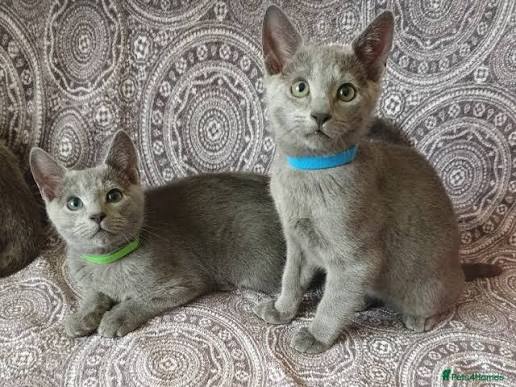
Not every blue-gray kitten is necessarily a purebred Russian Blue.
A kitten may have a similar coat color while having a different breed background. If pedigree is important to you, ask for documentation rather than relying solely on appearance.
A Russian Blue mix can still make a wonderful companion. The important difference is that breed identification and pedigree should be based on reliable information rather than coat color alone.
How to Prepare for a Russian Blue Cat Kitten
Before bringing your new Russian Blue cat kitten home, prepare a quiet and secure space.
Your basic supplies should include:
- Age-appropriate kitten food
- Food and water bowls
- A comfortable sleeping area
- A litter box and suitable litter
- A secure carrier
- Safe kitten toys
- A scratching post
- Grooming supplies
Remove small objects, exposed electrical cables and other household hazards that a curious kitten could investigate.
Feeding Your Russian Blue Kitten
Growing kittens need appropriate nutrition to support their development.
Choose a complete kitten diet appropriate for the kitten’s age and follow feeding guidance from your veterinarian or the food manufacturer.
If you are bringing a kitten home from a breeder, shelter or foster home, ask what it has been eating. Keeping its diet consistent during the first few days can help reduce unnecessary changes while it adjusts to its new surroundings.
Grooming a Russian Blue Kitten
Russian Blue cats have a short coat, so their grooming needs are generally straightforward.
Gentle brushing can help remove loose hair and give you an opportunity to become familiar with your kitten’s coat and body.
Start grooming sessions gradually and keep them calm. Young kittens may need time to become comfortable with brushing, nail care and other routine handling.
Helping a New Russian Blue Kitten Settle In
A new home can be unfamiliar and overwhelming for a kitten.
Give your kitten a quiet area where it can eat, sleep, use the litter box and gradually become comfortable.
Do not force interaction if your kitten wants to hide. Give it time to explore and allow trust to develop naturally.
Regular feeding, gentle play and calm interaction can help establish a predictable routine.
How to Recognize a Responsible Adoption or Breeding Source
Whether you are searching for adoption or a breeder, transparency is important.
Be cautious when a listing:
- Provides almost no information about the kitten
- Refuses reasonable questions
- Cannot explain the kitten’s history
- Makes unrealistic health claims
- Pressures you to make a quick decision
- Requests payment without providing adequate information
- Uses inconsistent photographs or descriptions
Take your time and verify information before making financial arrangements.
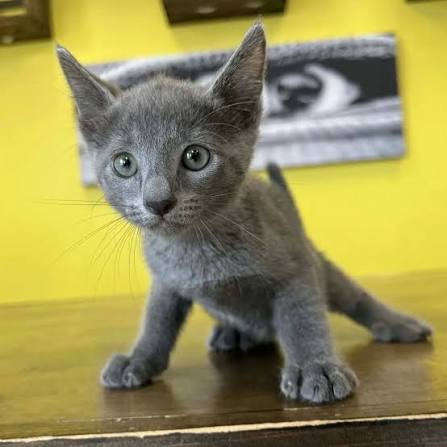
Is a Russian Blue Kitten Right for Your Home?
Before bringing one home, consider your daily routine and ability to care for a growing cat.
Think about:
- How much time you have for interaction and play
- Whether your home is kitten-safe
- Whether you already have pets
- Veterinary expenses
- Food and litter costs
- Long-term care
- Who will care for the cat when you travel
A kitten is a long-term commitment, so preparation is just as important as finding the right animal.
Finding Your Russian Blue Kitten
Whether you choose a breeder, shelter, foster home or rescue organization, focus on finding a healthy and well-cared-for kitten that is appropriate for your household.
When searching for a Russian Blue kitten, look beyond photographs and ask questions about health, age, socialization and background. If you are interested in Russian Blue kitten adoption or Russian Blue kitten rescue, remember that availability can change and that Russian Blue mixes may also be looking for homes.
At Kittyverse Store, you can explore more kitten breed guides and cat-care resources to help you prepare for life with your new feline companion.
Russian Blue Kitten Appearance and Physical Characteristics
A Russian Blue kitten is recognized for its distinctive blue-gray coat, elegant body shape and bright eyes. The breed has a short, dense double coat that can feel soft and plush when touched.
One of the most noticeable features is the coat’s silvery appearance. Individual hairs can have lighter-colored tips, creating a subtle shimmering effect when light reaches the fur.
Russian Blue kittens typically have:
- A short, dense blue-gray coat
- A graceful, medium-sized body
- Long legs and a relatively long tail
- A wedge-shaped head
- Large ears with rounded tips
- Bright green eyes in mature cats
- Fine, soft fur
Young kittens may not immediately display all of the characteristics associated with an adult Russian Blue. Their body proportions, coat and eye color can develop as they mature.
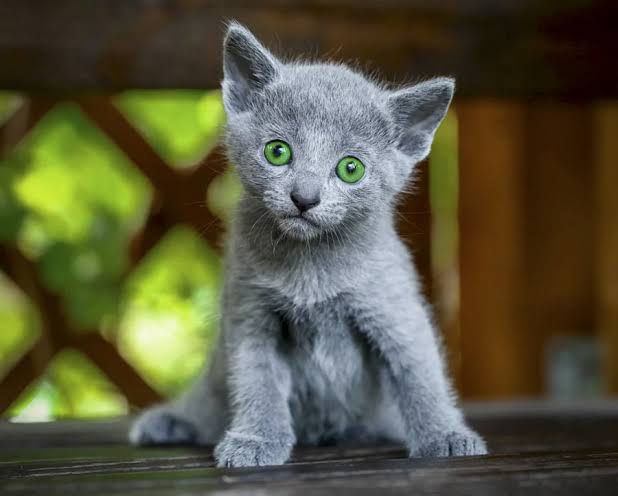
Russian Blue Kitten Eye Color
Eye color is an interesting characteristic of the Russian Blue breed. Young kittens may initially have different-looking eyes as their vision and eye pigmentation develop.
As the kitten matures, the eyes typically develop the vivid green color associated with adult Russian Blue cats.
Because eye color changes during development, it is not always appropriate to judge a very young kitten against the appearance of an adult cat.
Russian Blue Kitten Personality
Russian Blue kittens are often intelligent, observant and playful. Many enjoy interactive games and can form strong relationships with the people they become familiar with.
Some may initially be cautious around strangers or unfamiliar surroundings. This does not necessarily mean the kitten is unfriendly. Individual temperament is influenced by genetics, early socialization and the environment in which the kitten grows up.
A Russian Blue kitten may enjoy:
- Interactive play
- Chasing toys
- Exploring its surroundings
- Spending time near familiar people
- Quiet resting areas
- Predictable daily routines
Giving a kitten time to become comfortable can help build confidence.
Are Russian Blue Kittens Good Indoor Cats?
Russian Blue cats can adapt well to indoor living when their physical and mental needs are properly met.
An indoor Russian Blue kitten should have opportunities to play, climb, explore and interact with its owners. Without enough stimulation, a curious young cat may become bored.
Provide a combination of:
- Interactive cat toys
- Scratching posts
- Comfortable resting areas
- Safe climbing opportunities
- Daily play sessions
- Mental stimulation
A secure indoor environment can give a kitten opportunities to exercise its natural behaviors while reducing exposure to outdoor hazards.
Russian Blue Kitten Energy Levels
Kittens generally have more energy than adult cats. A Russian Blue kitten may alternate between periods of energetic play and long periods of sleep.
Zooming around the house, chasing toys, pouncing and investigating new objects are common forms of kitten activity.
Instead of expecting a kitten to remain active for long periods, provide several short opportunities for play throughout the day.
As the cat matures, its activity patterns and preferences may change.
How Big Does a Russian Blue Cat Get?
Russian Blue cats are generally considered a medium-sized breed. A kitten will naturally be much smaller than an adult and will gradually develop its mature body shape.
Growth rates vary between individual cats and can be influenced by genetics, nutrition and overall health.
Rather than focusing only on a particular weight, monitor your kitten’s growth with regular veterinary examinations. A veterinarian can assess whether the kitten is developing appropriately.
Russian Blue Kitten Shedding and Grooming
Despite having a dense coat, Russian Blue cats generally have straightforward grooming requirements.
Regular gentle brushing can remove loose hair and help keep the coat in good condition. Grooming also provides an opportunity to check your kitten’s skin and become familiar with its normal appearance.
Start grooming gradually while the kitten is young. Short, positive sessions can make brushing easier as the cat grows.
In addition to brushing, routine care can include nail trimming and dental care appropriate for cats.
Russian Blue Kitten Care Requirements
Taking care of a Russian Blue kitten involves more than feeding it and providing a litter box.
A young kitten needs appropriate nutrition, veterinary care, socialization, exercise and a safe environment.
A basic care routine includes:
Nutrition: Provide a complete kitten diet appropriate for its stage of development.
Water: Fresh, clean water should always be available.
Litter: Keep the litter box clean and place it somewhere quiet and accessible.
Exercise: Provide safe opportunities for running, chasing and playing.
Socialization: Allow the kitten to become comfortable with people and its surroundings gradually.
Veterinary care: Follow professional recommendations for examinations, vaccinations and parasite prevention.
Russian Blue Kitten Socialization
Early socialization can influence how a kitten responds to people, handling and new environments.
Gentle exposure to normal household sounds and positive human interaction can help a kitten become more comfortable with everyday life.
Avoid overwhelming a nervous kitten with too much stimulation at once. Let it approach new experiences gradually.
A kitten that has been appropriately socialized may find it easier to adjust to changes in its environment.
Russian Blue Kittens and Children
A Russian Blue kitten can live in a household with children, but young children should be taught how to interact safely with animals.
Children should learn not to:
- Pull the kitten’s tail
- Chase it when it is trying to escape
- Pick it up without adult guidance
- Disturb it while eating or sleeping
- Handle it roughly
Give the kitten a private area where it can retreat when it wants quiet time.
Supervised, gentle interaction helps protect both the child and the kitten.
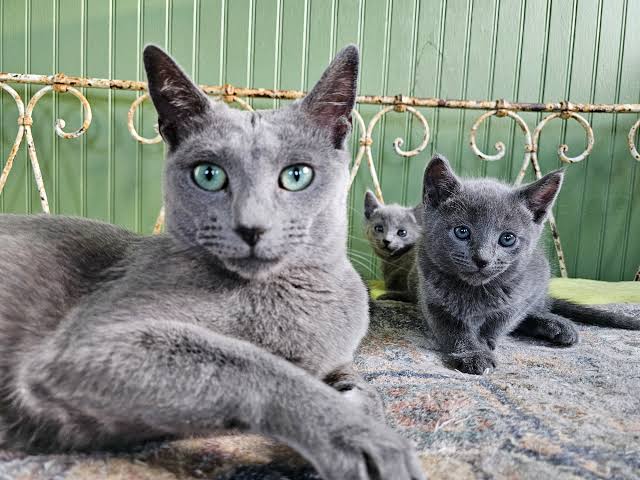
Russian Blue Kittens With Other Pets
If you already have another cat or dog, introduce the new kitten gradually.
A separate room can give the kitten time to become comfortable before it meets the resident pets. Scent exchange and controlled introductions can help animals become familiar with one another.
Do not assume that two animals will immediately become friends. Some introductions take days or weeks, depending on the individual animals.
What Should a Russian Blue Kitten Eat?
Growing kittens require nutrition designed to support development. Choose a complete and balanced kitten food appropriate for the kitten’s age.
If you are adopting or purchasing a kitten, ask what food it has been eating before bringing it home. Maintaining its existing diet initially can make the transition easier.
Any major dietary change should be introduced gradually. If you have concerns about appetite, growth or digestion, consult a veterinarian.
Russian Blue Kitten Health Care
Routine veterinary care is an important part of raising a healthy kitten.
A veterinarian can assess the kitten’s general condition and advise you about vaccinations, parasite prevention, nutrition and other age-appropriate care.
When getting a kitten from a breeder, rescue organization or previous owner, ask for any available veterinary records.
Do not rely on appearance alone to determine whether a kitten is healthy.
How Long Do Russian Blue Cats Live?
With appropriate care, nutrition, veterinary attention and a safe environment, Russian Blue cats can be long-term companions.
A cat’s lifespan depends on many factors, including genetics, health, nutrition, living conditions and access to veterinary care.
Choosing a kitten should therefore be viewed as a long-term commitment rather than a short-term decision.
Russian Blue Kitten Training
Cats can learn household routines even though they are not trained in exactly the same way as dogs.
A Russian Blue kitten can gradually learn where to eat, sleep, scratch and use its litter box. Positive reinforcement can help encourage desirable behaviors.
Provide scratching surfaces instead of punishing a kitten for scratching. Redirect unwanted behavior toward an appropriate activity whenever possible.
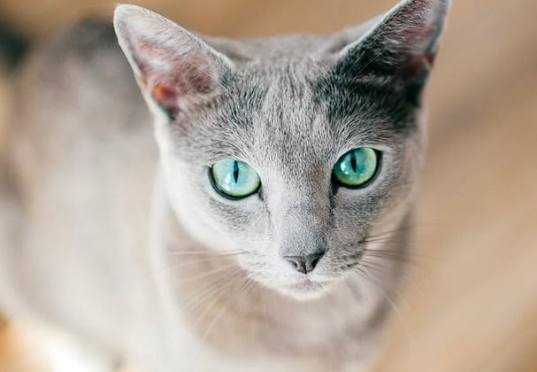
Russian Blue Kitten Toys
Play is important for a growing kitten because it provides both physical exercise and mental stimulation.
Useful options can include:
- Wand toys
- Lightweight balls
- Interactive toys
- Puzzle feeders
- Soft toys
- Scratching posts
Rotate toys regularly to maintain interest. Toys containing strings, feathers or small detachable parts should be used with appropriate supervision.
How to Tell if a Russian Blue Kitten Is Purebred
A blue-gray coat alone does not prove that a kitten is a purebred Russian Blue.
If pedigree is important, ask the breeder or organization about available documentation and the kitten’s parentage.
A mixed-breed kitten may have a similar appearance without being a pedigreed Russian Blue. This does not determine the quality of the individual cat as a companion, but it is important to understand the distinction when searching specifically for a purebred kitten.
Russian Blue Kitten Price: What Can Affect the Cost?
The cost of a Russian Blue kitten can vary depending on factors such as location, pedigree, breeder reputation, age, registration and veterinary care already provided.
A very low advertised price should not automatically be considered a bargain. Ask what is included and whether the kitten has received appropriate care.
Before comparing prices, check whether the advertised cost includes items such as vaccinations, veterinary examinations, registration or other services.
Questions to Ask Before Getting a Russian Blue Kitten
Before bringing home a Russian Blue kitten, prepare a list of questions for the breeder, rescue organization or current owner.
Useful questions include:
- How old is the kitten?
- What veterinary care has it received?
- What vaccinations have been given?
- Has it been dewormed?
- What food is it eating?
- Has it been socialized?
- Has it lived with other animals?
- Can I see relevant health or pedigree records?
- What is the kitten’s temperament like?
- What care will the kitten need after coming home?
Good questions can help you make a more informed decision and prepare for your kitten’s needs.
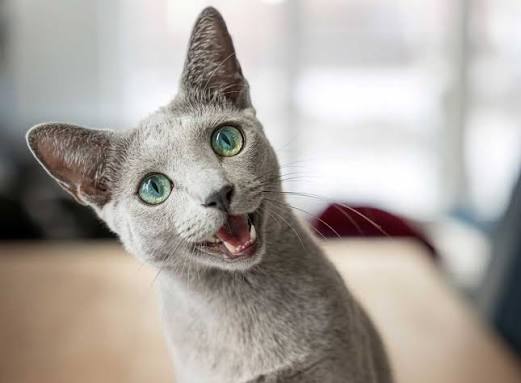
Russian Blue Kitten: A Long-Term Companion
A Russian Blue kitten can become a loving companion when given appropriate care, patience and attention. Its distinctive coat, intelligent nature and playful kitten behavior make it appealing to many cat lovers.
However, every kitten is an individual. Before choosing one, consider its health, temperament, background and compatibility with your household.
Whether you find a Russian Blue through a responsible breeder, adoption organization or rescue group, focus on providing a safe home and meeting its needs throughout every stage of life.