
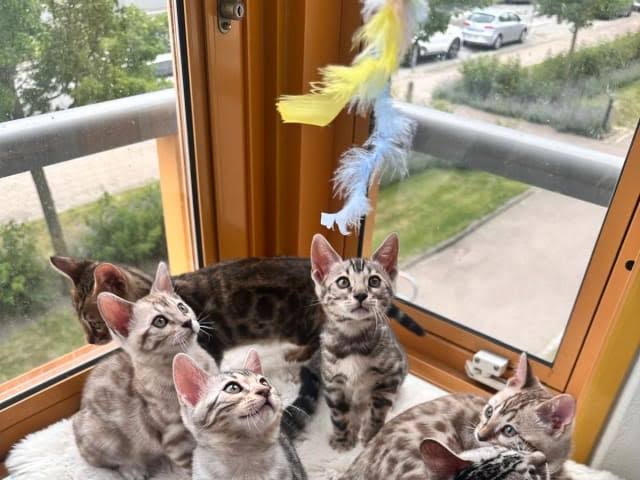
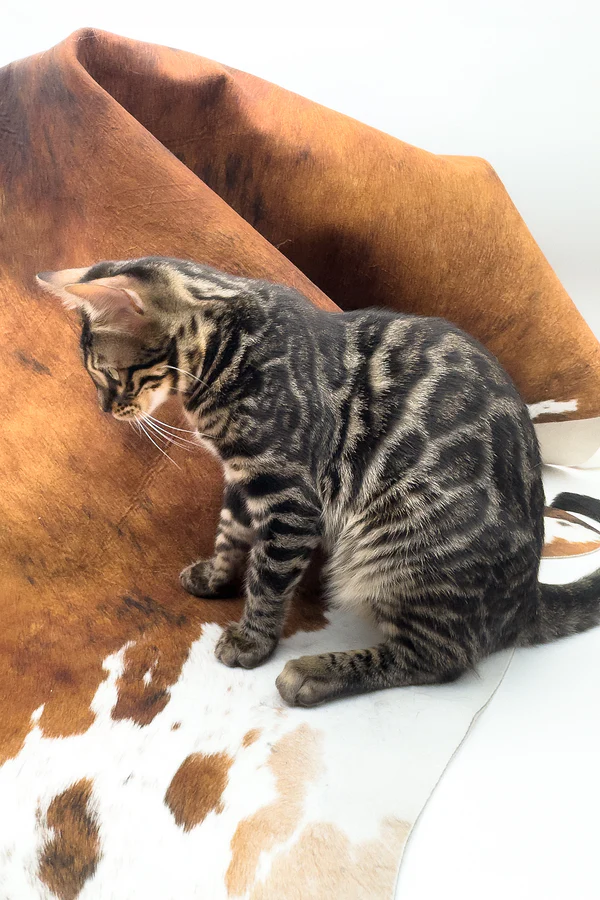
A tabby Bengal kitten combines the distinctive wild appearance of the Bengal breed with beautiful patterned markings that can make each kitten look unique. Bengal cats are admired for their athletic build, energetic personality, and coats that can feature spots, rosettes, or marbled patterns.
If you are considering bringing a Bengal kitten home, understanding its appearance, temperament, care requirements, and background can help you choose the right companion.
What Is a Tabby Bengal Kitten?
The phrase tabby Bengal kitten is commonly used to describe a Bengal kitten with a patterned coat that has a tabby-like appearance. However, Bengals have their own recognized coat patterns, particularly spotted/rosetted and marbled patterns.
Instead of looking exactly like a traditional domestic tabby, a Bengal may have:
- Rosettes
- Spots
- Marbled swirls
- Strong contrast between the background coat and markings
- A soft, glittering appearance in some individuals
This distinctive patterning is one of the reasons Bengal kittens are so popular among cat enthusiasts.
What Does a Tabby Bengal Kitten Look Like?
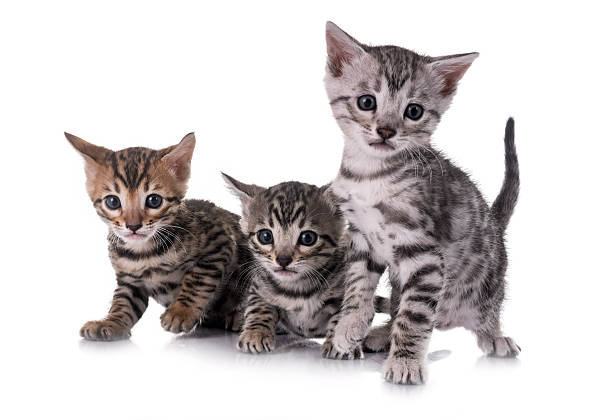
A young Bengal can have a dramatic appearance even before its adult coat fully develops. The background color can range from warm golden and brown shades to silver, snow, blue, and other recognized Bengal colors.
The markings can vary significantly from one kitten to another. Some kittens have large rosettes, while others have smaller spots or flowing marble patterns.
A typical Bengal kitten may have:
- A muscular, athletic body
- Large eyes
- Rounded ears
- A broad nose
- A relatively long body
- A thick, tapered tail
- A short, soft coat
- Highly contrasting markings
Because Bengal kittens grow and their coats develop over time, photographs taken at different ages can show noticeable differences in their appearance.
Tabby Bengal Kitten Colors and Patterns
One of the most interesting aspects of Bengal cats is the variety of coat appearances.
Brown Tabby-Looking Bengal
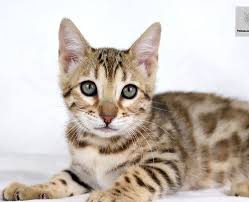
Brown Bengals are among the most recognizable. Their warm background coat can range from golden to caramel or tan, while darker markings create strong contrast.
Silver Bengal
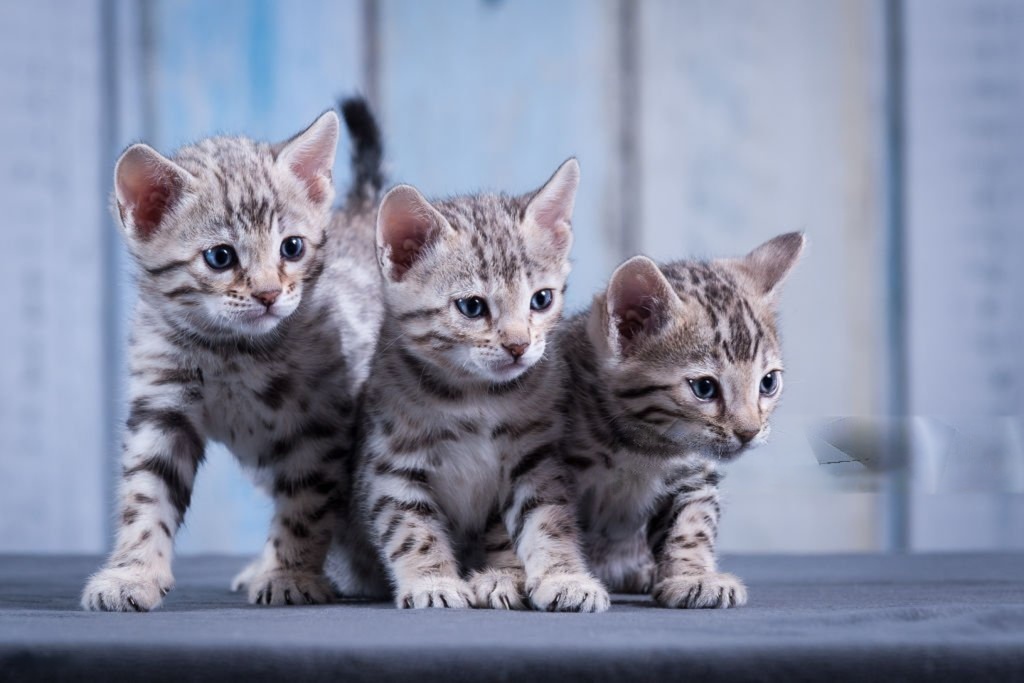
Silver Bengals have a much lighter background coat, often appearing almost white or gray. Their darker markings can stand out dramatically against the pale coat.
Snow Bengal
Snow Bengals have a pale cream or ivory appearance and can have darker markings that become more noticeable as they mature. Snow Bengals include different genetic types, so their eye color and markings can vary.
Spotted and Rosetted Bengals
Spotted Bengals have individual spots across the body, while rosetted Bengals can have more complex markings that resemble those found on wild cats.
Marbled Bengals
Marbled Bengals have flowing patterns rather than clearly separated spots. Their markings can create beautiful swirls across the body.
Tabby Bengal Kitten Personality
A Bengal kitten is generally not a passive, low-energy cat. Bengals are known for being active, curious, intelligent, and playful.
A young Bengal may enjoy:
- Chasing interactive toys
- Climbing cat trees
- Exploring new areas
- Puzzle toys
- Playing with its owner
- Watching birds through a secure window
- Learning simple games and routines
This intelligence can be a wonderful quality, but it also means Bengals need mental stimulation. A home without opportunities for play and exploration may not provide enough enrichment for an active Bengal.
Are Tabby Bengal Kittens Good Family Pets?
A Bengal can make a wonderful companion for the right household. However, potential owners should consider the breed’s energy level before adopting or purchasing one.
Families should provide safe spaces where the kitten can play, climb, rest, and explore. Children should also be taught how to interact gently with a kitten.
If you already have cats or dogs, introductions should be gradual and supervised. Every kitten has an individual personality, so compatibility cannot be guaranteed simply because two animals belong to particular breeds.
How to Care for a Tabby Bengal Kitten
Bengal kittens need the same basic care as other healthy kittens, including appropriate nutrition, veterinary care, socialization, and a safe living environment.
Nutrition
Feed a complete and balanced kitten diet appropriate for the kitten’s age. Fresh water should always be available.
If you are changing the kitten’s food after bringing it home, making the transition gradually can help reduce digestive upset.
Grooming
Bengals have relatively short coats, so grooming is generally straightforward. Gentle brushing can help remove loose hair and provides an opportunity to check the kitten’s skin and coat.
Exercise
Regular interactive play is particularly important for an energetic Bengal. Wand toys, climbing structures, tunnels, and puzzle feeders can provide both physical exercise and mental stimulation.
Veterinary Care
Arrange appropriate veterinary examinations and follow your veterinarian’s recommendations for vaccinations, parasite prevention, and other routine care.
What to Check Before Buying a Tabby Bengal Kitten
If you are searching for a tabby Bengal kitten for sale, don’t choose solely from a photograph.
Before committing to a kitten, ask about:
- The kitten’s age
- Vaccination history
- Veterinary records
- Deworming and parasite prevention
- Parentage and pedigree, if applicable
- Socialization
- Feeding routine
- Health history
- The conditions in which the kitten was raised
Ask for recent photographs or video when buying remotely. If possible, seeing the kitten and its environment in person can provide additional information about its health and welfare.
Tabby Bengal Kitten Price
The price of a Bengal kitten can vary widely depending on location, breeder reputation, pedigree, coat characteristics, generation, health care, and whether the kitten is being sold as a pet or for breeding.
Rather than choosing the cheapest available kitten, compare what is included in the price. A responsible seller should be transparent about the kitten’s background and health care.
Remember that the purchase price is only the beginning. Food, litter, veterinary care, toys, scratching posts, carriers, and other supplies are ongoing costs.
Tabby Bengal Kitten vs. Traditional Tabby Cat
The word “tabby” can sometimes cause confusion.
A traditional tabby is a coat pattern found in many domestic cats and different breeds. A Bengal has its own breed-specific coat patterns, particularly spotted, rosetted, and marbled designs.
Therefore, a tabby Bengal kitten isn’t simply an ordinary tabby cat with a Bengal name. Its appearance comes from Bengal breeding and its characteristic coat patterns.
How to Choose the Right Bengal Kitten
The most attractive kitten isn’t necessarily the best choice for every household.
Consider the kitten’s:
Temperament: Is it confident, curious, and comfortable around people?
Health: Does the seller provide appropriate veterinary information?
Energy level: Are you prepared for an active and intelligent cat?
Socialization: Has the kitten experienced normal household interaction?
Living environment: Was it raised in a clean, safe, and appropriate environment?
Choosing based on these factors can help you find a better match for your lifestyle.
Frequently Asked Questions
Is a Bengal kitten a tabby?
Bengals can have patterns that resemble tabby markings, but Bengal coats are more specifically described using patterns such as spotted, rosetted, and marbled.
Do Bengal kittens keep the same markings as they grow?
Their basic pattern remains, but the appearance and contrast of the coat can change as the kitten matures. Some young Bengals also go through a period when their markings appear less distinct.
Are Bengal kittens high maintenance?
They are not necessarily difficult to groom because of their short coats, but their high activity and intelligence mean they can require more play and enrichment than a very relaxed cat.
Are Bengal kittens good for first-time cat owners?
They can be, provided the owner understands the breed’s energetic and interactive nature and is prepared to provide sufficient stimulation and care.
Conclusion
A tabby Bengal kitten can be an impressive and affectionate companion for a household prepared for an active cat. Its distinctive markings, athletic appearance, intelligence, and playful personality make the Bengal different from many traditional domestic cats.
Before choosing a kitten, look beyond coat color and markings. Check its health history, socialization, background, and living conditions, and make sure you can provide the exercise and enrichment an active Bengal needs.
With responsible care and plenty of interaction, a Bengal kitten can become a fascinating and rewarding member of the family.