
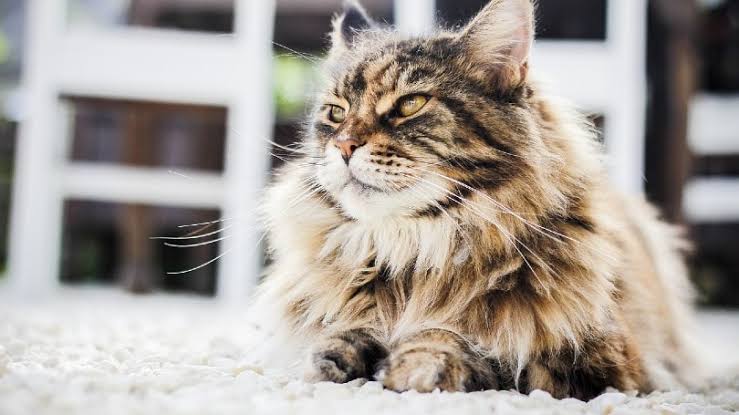
A tortie persian kitten (cat) is a purebred Persian in the tortie coat pattern, not a separate breed. See the CFA-recognized colors, why nearly all are female, grooming needs, realistic price, and the health facts every owner should know.
The tortie Persian kitten is recognized by the Cat Fanciers’ Association (CFA) as a color variation within the Parti-Color division, alongside blue-cream, chocolate tortoiseshell, and lilac-cream Persians. Rather than being a separate breed, a tortie Persian kitten is a purebred Persian distinguished by its beautiful blend of orange and black coat colors. This unique tortoiseshell pattern is linked to the X chromosome, which is why nearly all tortie Persian kitten cats are female.
This guide explores everything you need to know about the tortie Persian kitten, including the different tortoiseshell color variations, the genetics behind their predominantly female population, and the official CFA breed standards. You’ll also learn about grooming requirements for their luxurious long coat, the typical cost of purchasing a tortie Persian kitten, and the essential health considerations every prospective owner should understand before bringing one of these stunning cats home.
What Is a tortie Persian kitten?
A tortie Persian kitten is a purebred Persian that features the stunning tortoiseshell coat pattern. This eye-catching coloration combines beautiful shades of black, red, orange, and cream in a unique marbled or brindled pattern rather than distinct color patches. The tortoiseshell pattern is one of the oldest and most admired color variations recognized in the Persian breed.
It is important to understand that “tortoiseshell” refers only to the coat color and pattern, not to a separate breed. A tortie Persian kitten is still a purebred Persian with all the classic breed characteristics, including a round face, short muzzle, sturdy body, and a luxurious long double coat. The tortoiseshell pattern simply gives each kitten a unique and beautiful appearance, ensuring that no two coats are exactly alike.
Aside from its distinctive coloring, a tortie Persian kitten shares the same temperament, grooming requirements, health considerations, and overall care needs as any other Persian cat. The tortoiseshell coat does not affect the breed’s personality or maintenance—it simply enhances the kitten’s striking appearance with a one-of-a-kind blend of colors.
tortie Persian kitten at a Glance
Before the deep dive, here is the quick-facts snapshot most buyers want first. These figures describe the Persian breed; the tortie Persian kitten coat does not alter any of them.
tortie Persian kitten Quick Facts
| Trait | Detail |
|---|---|
| Weight | 7-12 lb (3-5.5 kg) |
| Lifespan | Typically 12-16 years with good care, some reach their late teens |
| Coat | Long, dense double coat; tortoiseshell coloring (black or dilute with red or cream) |
| Temperament | Calm, affectionate, quiet, low-energy lap cat |
| Energy level | Low; a placid indoor companion, not an athlete |
| Grooming load | High; daily brushing plus regular bathing and face cleaning |
| Sex | Roughly 99.9% female |
| Registry status | CFA Parti-Color division (a recognized show color) |
If you have met any Persian, you have effectively met the temperament and care profile of a tortie Persian. What follows is everything the color adds on top.
tortie Persian kitten Colors and Coat Variations
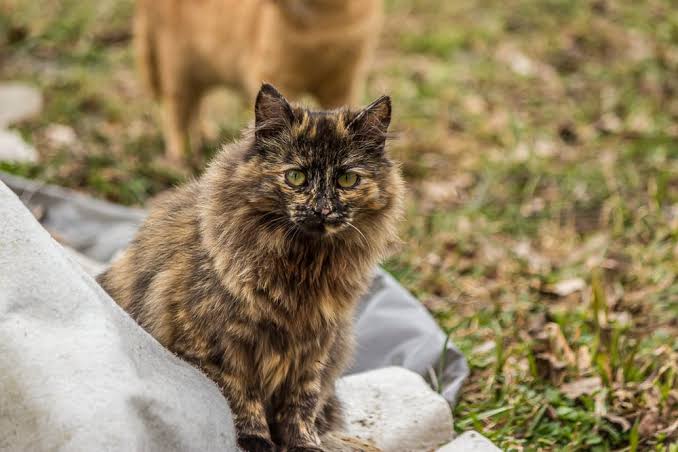
The tortie Persian kitten is available in a variety of stunning tortoiseshell color combinations, making each kitten truly one of a kind. Rather than being a single color, tortoiseshell refers to a collection of beautiful coat patterns created by different combinations of black, red, orange, cream, and other diluted shades. According to breed standards, the classic tortoiseshell pattern features black combined with rich red or orange, either in distinct patches or beautifully blended throughout the coat.
Black Tortoiseshell (Classic Tortie)
The classic tortie Persian kitten is the most recognizable and widely admired variation. Its luxurious coat features a striking combination of deep black and vibrant red or orange shades, which may appear as bold patches or as a finely blended marbled pattern. This traditional tortoiseshell coloring is the signature look most people associate with a tortie Persian kitten, giving every kitten a unique and elegant appearance.
Blue-Cream (Dilute Tortoiseshell)
When a Persian carries two copies of the recessive dilution gene (the MLPH, or melanophilin, gene), black softens to a smoky blue-gray and red softens to cream. The result is the blue-cream Persian: a powdery, pastel tortie of blue-gray and cream rather than black and orange. The CFA recognizes blue-cream as its own Parti-Color class. It is one of the most sought-after dilute looks in the breed.
Chocolate and Lilac Tortie
Some tortie Persian kitten cats also inherit the chocolate color gene, which changes the traditional black coat into a rich, warm chocolate brown. When this chocolate shade is blended with red, it creates the beautiful chocolate tortoiseshell pattern. If the dilution gene is also present, the chocolate color becomes a soft lilac tone, producing the elegant lilac-cream variation. Both chocolate tortoiseshell and lilac-cream are officially recognized Persian color varieties and are admired for their unique beauty.
Tortoiseshell Smoke and Shaded
A tortie Persian kitten with a smoke coat has a light or white undercoat covered by tortoiseshell-colored tips. As the kitten moves, the lighter undercoat becomes visible, creating a striking shimmering effect. Shaded tortoiseshell Persians display an even softer appearance, with more of the pale undercoat showing through the outer coat, giving the fur exceptional depth and elegance.
Tortie Tabby (Torbie)
A tortie Persian kitten may also display tabby markings, creating what is commonly known as a “torbie.” This beautiful combination blends the tortoiseshell pattern with classic tabby stripes or swirls. The red areas often show distinct tabby markings, while the darker sections retain the characteristic tortoiseshell marbling, resulting in a unique and eye-catching coat.
Tortoiseshell vs. Calico Persian
A tortie Persian kitten is often confused with a calico Persian, but the two coat patterns are different. A tortoiseshell Persian has an interwoven mixture of black, orange, red, or cream with little or no white. Small white markings on the chest or paws may still be considered tortoiseshell. In contrast, a calico Persian has a predominantly white coat with clearly separated patches of black and orange. Both are recognized Persian color patterns, but the difference lies in the amount and distribution of white within the coat.
Why Almost All Tortie Persian Kittens Are Female
One of the most fascinating facts about the tortie Persian kitten is that nearly all of them are female. This unique trait is determined by genetics, specifically the orange color gene located on the X chromosome. Female cats have two X chromosomes, allowing them to inherit both orange and black color genes. As the kitten develops, different cells naturally express one color or the other, creating the beautiful tortoiseshell pattern that makes every tortie Persian kitten unique.
Male cats, on the other hand, have only one X chromosome, which means they typically inherit either the orange gene or the black gene—but not both. Because of this genetic difference, almost all tortie Persian kitten cats are female, while male tortoiseshell Persians are extremely rare.
The distinctive coat of the tortie Persian kitten has fascinated breeders and cat enthusiasts for generations. Early Persian breeding programs helped researchers better understand the inheritance of tortoiseshell coloring, long before modern genetic science fully explained why this remarkable coat pattern appears almost exclusively in female cats.
The Rare Male Tortie Persian
Male torties do exist, at roughly 1 in 3,000 (the figure commonly cited from the University of Missouri). They arise through an extra chromosome (XXY, called Klinefelter syndrome), through chimerism (two embryos fusing), or through somatic mosaicism. XXY males are almost always sterile and often carry other health problems, so a male tortie Persian is a genetic curiosity, not a more valuable cat. He has no breeding value, and any breeder pricing a male tortie as “rare and expensive” is selling novelty, not pedigree.
CFA Recognition: Where Torties Fit in the Persian Divisions
The Cat Fanciers’ Association divides the Persian breed into color divisions for the show ring, and the tortoiseshell sits in the Parti-Color division. Per the CFA Persian standard, the Parti-Color division consists of four colors:
CFA Persian Parti-Color Division
| Color | What It Looks Like |
|---|---|
| Tortoiseshell | Black with patches of red, or red softly intermingled, on body and extremities; several shades of red acceptable |
| Blue-Cream | Blue (gray) with patches of cream or cream softly intermingled (the dilute tortie) |
| Chocolate Tortoiseshell | Rich warm chocolate brown with patches of red or red intermingled (championship since 1993) |
| Lilac-Cream | Warm pinkish-toned lavender with patches of cream or cream intermingled (championship since 1993) |
That registry placement matters for two reasons. First, it confirms that a tortoiseshell Persian is a fully legitimate, showable color rather than a flaw or a mixed-breed marker. Second, it tells a buyer what to expect on a pedigree: a well-bred tortie Persian should trace to recognized Parti-Color lines. Eye color in these colors is brilliant copper, per the standard. Calico and bicolor Persians (the heavily white-spotted versions) sit in their own division, which is why a calico is described separately from the pure tortie classes above.
History of the tortie Persian kitten
The tortie Persian kitten is far from a modern trend. This beautiful color variation has been admired since the earliest days of organized cat breeding. Historical records from the late 1800s show that tortoiseshell Persians were already recognized and appreciated for their distinctive coats. By the early 1900s, the tortie Persian kitten had become an established and respected color variety within the Persian breed, with breeders carefully preserving and improving these bloodlines for generations.
The long history of the tortie Persian kitten is one reason the color remains so well established today. Breeders have spent more than a century developing tortoiseshell Persian lines, helping to preserve the breed’s exceptional beauty while also contributing to a better understanding of the genetics responsible for this unique coat pattern.
Tortie Persian Kitten Personality
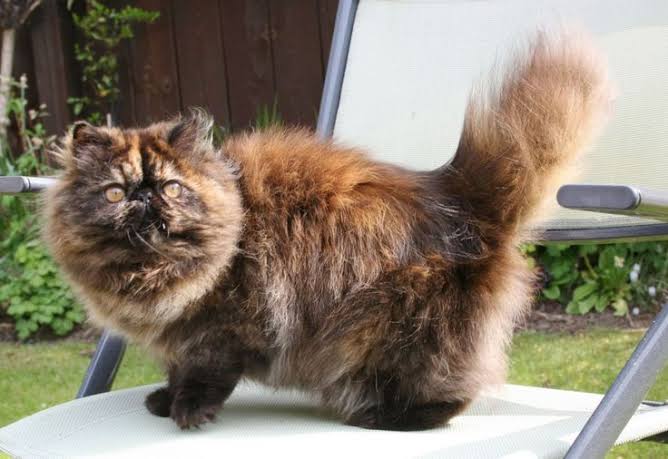
The tortie Persian kitten is often associated with the popular idea of “tortitude,” a term used to describe tortoiseshell cats as being bold, spirited, or full of personality. While many owners enjoy sharing stories about the playful attitudes of their tortie cats, there is no scientific evidence proving that coat color alone determines personality.
In reality, the temperament of a tortie Persian kitten is influenced much more by its Persian heritage, early socialization, and individual personality than by its coat pattern. Persian cats are widely known for being calm, gentle, affectionate, and quiet companions who enjoy spending time with their families. A tortie Persian kitten typically shares these classic Persian traits while also displaying its own unique personality, making every kitten a loving and one-of-a-kind companion.
Grooming a Long-Haired Tortoiseshell Coat
This is the part too many buyers underestimate, and the part the leading competitor leaves out entirely. A Persian coat is long, dense, and double-layered, and it mats within days if it is neglected. The tortoiseshell coloring does not change the workload one bit; you are grooming a Persian, and that is a serious daily commitment.
Tortoiseshell Persian Grooming Schedule
| Task | Frequency | Why It Matters |
|---|---|---|
| Brush and comb the coat | Daily, 10-15 minutes | Prevents painful mats and reduces hairballs; a metal comb reaches the dense undercoat |
| Bathe | Every 4-6 weeks | Keeps the long coat clean and manageable and controls grease |
| Clean the eyes and face | Daily | Flat-faced Persians tear heavily; wiping prevents tear-staining and skin irritation |
| Check and trim around the rear | Weekly | Long fur can trap waste; keep the area tidy for hygiene |
| Trim nails | Every 2-3 weeks | Routine paw and claw maintenance |
| Professional groom (optional) | Every 6-8 weeks | A “lion cut” or sanitary trim can ease summer maintenance |
The single biggest reason Persians end up matted, shaved, or rehomed is that owners assume the cat will manage its own coat. It will not. If you cannot commit to daily brushing and frequent face cleaning, the Persian (in any color, tortie included) is the wrong breed for you.
Eye and Face Care
A tortie Persian kitten requires regular eye and face care because of its flat facial structure. Persians are prone to excessive tearing, which can lead to tear stains around the eyes if not cleaned daily. Gently wiping your tortie Persian kitten’s face with a soft, damp cloth or a veterinarian-approved eye wipe helps keep the facial area clean, reduces staining, and prevents skin irritation. Daily eye care is an essential part of maintaining the health and appearance of a tortie Persian kitten.
Tortie Persian Kitten Price
The price of a tortie Persian kitten is generally comparable to that of other purebred Persian kittens, as the tortoiseshell coat pattern does not usually increase its value on its own. A pet-quality tortie Persian kitten from a reputable breeder typically costs between $800 and $2,500, while kittens with exceptional bloodlines or show-quality characteristics may be priced significantly higher.
tortie Persian kitten Price by Source
| Source | Typical Cost | Notes |
|---|---|---|
| Shelter or rescue adoption | $50-200 | Often includes vaccinations and spay/neuter; tortie Persians do turn up in rescue |
| Pet-quality purebred kitten | $800-2,500 | A healthy, pedigreed Persian from a responsible breeder; tortie color adds no premium |
| Show- or breeding-quality | Higher | Top bloodlines and championship lines command more; reflects pedigree, not the tortie color |
| “Rare male tortie” upsell | Avoid the premium | A male tortie is a sterile curiosity with no breeding value; do not pay extra for it |
Whatever the sticker price, remember the ongoing cost. A Persian’s grooming, eye care, and the health screening this breed needs (more on that next) mean the purchase price is a fraction of the lifetime cost. Adoption from a Persian-specific rescue is a genuine and far cheaper alternative if you are open to an adult cat.
Tortie Persian Kitten Health and Lifespan
The tortie Persian kitten does not have any additional health risks because of its tortoiseshell coat pattern. The unique coloring is purely a genetic trait and is not associated with diseases or inherited medical conditions. Health concerns for a tortie Persian kitten are the same as those found in the Persian breed as a whole, regardless of coat color.
With proper care, regular veterinary checkups, a nutritious diet, and an indoor lifestyle, a tortie Persian kitten can enjoy a lifespan of 12 to 16 years, with many living well into their late teens. Like all Persian cats, owners should be aware of common breed-related health considerations and provide routine preventive care to help their tortie Persian kitten live a long, healthy, and happy life.
- Polycystic Kidney Disease (PKD): A tortie Persian kitten can inherit this genetic kidney condition, which causes fluid-filled cysts to develop over time. Responsible breeders screen their breeding cats through genetic testing and health examinations and should be able to provide proof of these results before you purchase a tortie Persian kitten.
- Flat-Faced (Brachycephalic) Features: Like all Persian cats, a tortie Persian kitten has a short muzzle that may contribute to breathing difficulties, especially in cats with extremely flat faces. Persians with a more moderate facial structure generally experience fewer respiratory problems and tolerate warm temperatures and physical activity more comfortably.
- Eye Health: The facial structure of a tortie Persian kitten can lead to excessive tearing, tear staining, and eyelid conditions such as entropion. Persian cats may also be affected by inherited eye disorders, making routine veterinary examinations and genetic health screening important.
- Dental and Skin Care: A tortie Persian kitten may develop dental crowding because of its compact jaw structure. In addition, its thick, luxurious coat requires regular grooming to prevent tangles, mats, and skin irritation, helping maintain both comfort and overall health.
A male tortie Persian (the rare XXY type) is the one exception worth noting: those cats often have shorter lifespans and additional health complications tied to the chromosomal anomaly, separate from the breed issues above.
Tortie Persian Kitten vs. Other Long-Haired Tortoiseshell Cats
A tortie Persian kitten is one of several long-haired cats that can display the beautiful tortoiseshell coat pattern, but the breed itself makes a significant difference in appearance, personality, and care requirements.
Maine Coon Tortie: A tortoiseshell Maine Coon is much larger than a tortie Persian kitten and has a rugged build with a thick, water-resistant coat. Maine Coons are known for their playful, active, and outgoing personalities, making them quite different from the calm nature of a Persian.
Domestic Longhair Tortie: A domestic longhair tortoiseshell cat does not belong to a specific pedigree breed, so its appearance and temperament can vary widely. While these cats make wonderful companions, they do not share the consistent breed characteristics of a tortie Persian kitten.
Tortie Persian Kitten: A tortie Persian kitten is recognized for its compact body, flat face, luxurious long coat, and gentle, affectionate personality. Among long-haired tortoiseshell cats, Persians are especially admired for their calm temperament, although they also require the most regular grooming to keep their coats healthy and beautiful.
If you are looking for a quiet, affectionate lap cat with an elegant coat and distinctive tortoiseshell coloring, a tortie Persian kitten is an excellent choice. Those seeking a larger and more energetic tortoiseshell companion may prefer a Maine Coon instead.
The Growing Popularity of the Tortie Persian Kitten
The tortie Persian kitten has gained increasing popularity in recent years, attracting attention from cat enthusiasts around the world. Its striking tortoiseshell coat, luxurious fur, and gentle Persian personality have made it one of the most sought-after color variations within the breed.
While books, movies, and popular culture have introduced many people to the beauty of the tortie Persian kitten, the breed’s lasting appeal comes from its affectionate temperament, elegant appearance, and loving nature. Choosing a tortie Persian kitten should always be based on your ability to provide proper grooming, daily care, and a lifelong commitment to this beautiful and devoted companion.
Whether you are purchasing from a breeder or adopting through a rescue, finding a healthy tortie Persian kitten requires careful research. Taking the time to choose a responsible source helps ensure your tortie Persian kitten is healthy, well-socialized, and raised in a safe environment.
When selecting a tortie Persian kitten, ask for written health screening results for the kitten’s parents, including genetic testing for common hereditary Persian conditions. A reputable breeder should willingly provide this information and be transparent about the kitten’s health history.
Look for a tortie Persian with a moderate facial structure rather than an extremely flat face, as this can contribute to better breathing and fewer eye-related issues. Whenever possible, meet the kitten and its mother in person or through a live video call to observe their health, temperament, and living conditions.
A responsible breeder will allow the tortie Persian kitten to remain with its mother until it is at least 12 weeks old. Early socialization during this period is important for healthy physical and emotional development.
Pricing for a tortie Persian should generally be similar to that of other Persian kittens in the same litter. Be cautious of sellers charging excessive premiums simply because of the tortoiseshell coat pattern or claiming that the color is exceptionally rare.
As your tortie Persian grows, you may notice changes in its appearance. Most kittens are born with blue eyes that gradually develop their permanent eye color as they mature, and the richness of the tortoiseshell coat often becomes more vibrant as the adult coat grows in.
If purchasing from a breeder is not the right option for you, adopting a tortie Persian kitten or Persian mix through a rescue organization can be a wonderful alternative. Adoption offers the opportunity to provide a loving home to a deserving cat while enjoying the same affectionate personality and beautiful appearance that make the tortie Persian kitten such a beloved companion.
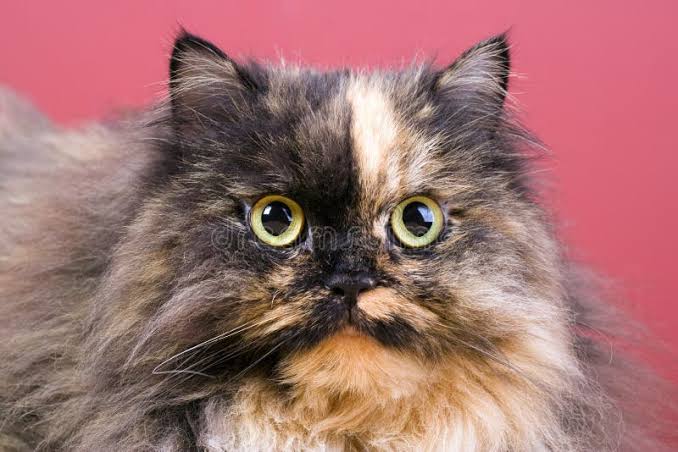
Frequently Asked Questions About the Tortie Persian Kitten
1. What is a tortie Persian kitten?
A tortie Persian kitten is a purebred Persian cat with a tortoiseshell coat pattern. Its fur features a unique blend of black, orange, red, cream, or chocolate shades, making every kitten one of a kind.
2. Are tortie Persian kittens rare?
A tortie Persian kitten is less common than many solid-colored Persians, but it is an officially recognized color variation within the Persian breed and is available from reputable breeders and rescue organizations.
3. Are most tortie Persian kittens female?
Yes. Nearly all tortie Persian kitten cats are female because the tortoiseshell coat pattern is linked to the X chromosome. Male tortoiseshell Persians are extremely rare.
4. How much does a tortie Persian kitten cost?
The price of a tortie Persian kitten typically ranges from $800 to $2,500, depending on the breeder, pedigree, bloodline, and whether the kitten is intended as a pet or for show.
5. What is the lifespan of a tortie Persian kitten?
With proper care, a tortie Persian kitten can live between 12 and 16 years, and many enjoy even longer lives with regular veterinary care, a healthy diet, and an indoor lifestyle.
6. Do tortie Persian kittens require daily grooming?
Yes. A tortie Persian kitten has a long, thick double coat that requires daily brushing to prevent mats, reduce shedding, and keep the fur healthy and beautiful.
7. Are tortie Persian kittens good family pets?
Yes. The tortie Persian kitten is known for its gentle, affectionate, and calm temperament, making it an excellent companion for families, singles, and seniors.
8. Do tortie Persian kittens have different personalities?
Every tortie Persian kitten has its own unique personality. While some people believe tortoiseshell cats have extra attitude, temperament is influenced more by genetics, socialization, and individual character than coat color.
9. What health issues should I know about before buying a tortie Persian kitten?
Like all Persian cats, a tortie Persian kitten may be prone to inherited conditions such as polycystic kidney disease (PKD), eye problems, breathing difficulties related to its flat face, and dental issues. Buying from a health-tested breeder helps reduce these risks.
10. How can I tell if a tortie Persian kitten comes from a reputable breeder?
A reputable breeder should provide health testing records, allow you to meet the kitten and its mother, raise kittens in a clean environment, and avoid releasing a tortie Persian kitten before it reaches at least 12 weeks of age.
11. Can I adopt a tortie Persian kitten instead of buying one?
Yes. Many rescue organizations and Persian-specific rescues occasionally have a tortie Persian kitten or Persian mix available for adoption, offering a wonderful opportunity to give a kitten a loving home.
12. What makes a tortie Persian kitten unique?
A tortie Persian kitten stands out because of its beautiful tortoiseshell coat, luxurious long fur, affectionate Persian personality, and unique color pattern. No two tortoiseshell coats are exactly alike, making every kitten truly special.
Conclusion
A tortie Persian kitten combines the timeless beauty of the tortoiseshell coat with the elegant appearance and gentle temperament of the Persian breed. Available in stunning color variations such as classic tortoiseshell, blue-cream, chocolate tortoiseshell, and lilac-cream, every tortie Persian kitten has a unique coat pattern that makes it truly one of a kind.
It is important to remember that the tortoiseshell pattern is simply a recognized coat color, not a separate breed. A tortie Persian kitten shares the same loving personality, grooming requirements, health considerations, and care needs as any other Persian cat. The distinctive coloring does not affect the kitten’s temperament, value, or overall health.
Before bringing home a tortie Persian kitten, choose a reputable breeder or rescue that prioritizes health testing and responsible breeding practices. Be prepared to provide regular grooming, daily eye care, routine veterinary checkups, and plenty of love and attention. With proper care, a tortie Persian kitten will reward you with years of affection, companionship, and the unmistakable beauty that has made the Persian one of the world’s most cherished cat breeds.