
The History of Persian Cats
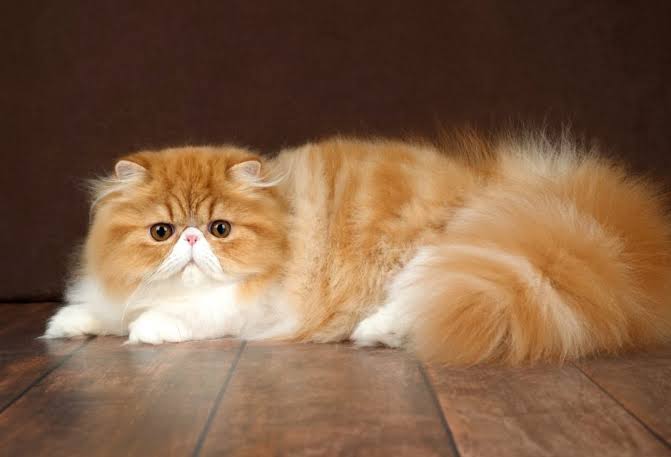
Persian cat kitten for sale, understanding the breed’s rich history can help you appreciate why Persian cats are among the world’s most beloved feline companions. The exact origin of Persian cats remains somewhat mysterious, but the breed is widely believed to have originated in Persia, now known as Iran, and nearby regions. Long-haired cats were introduced to Europe during the early 1600s, with Italian traveler Pietro della Valle credited with bringing them from Persia in 1626. These cats were later crossed with other long-haired breeds, including the Turkish Angora, to create a cat with a fuller body, luxurious coat, and distinctive facial features such as a short nose.
Over time, selective breeding further refined the Persian cat’s appearance, producing the round heads, large expressive eyes, small ears, and flat faces that are recognized today. During this period, blue and silver Persians were especially admired. By the early 1900s, Persian cats had arrived in the United States, where they quickly became one of the most popular pedigree breeds. Today, anyone looking for a kitten Persian cat for sale can choose from a wide range of beautiful colors and patterns, including the highly sought-after bicolor Persian.
About Persian Cats :
Persian cats are one of the world’s oldest and most recognizable long-haired domestic cat breeds (Felis catus), characterized by their round “pancake” faces, broad heads, shortened muzzles (brachycephaly), and heavy, luxurious double coats.
Core Physical Traits
- Brachycephalic Facial Structure: A flat, short face with a shortened nose, large round eyes set wide apart, and small, low-set ears.
- Cobby Body Type: A thick, sturdy, and low-slung body with short, heavy-boned legs, broad shoulders, and a short, plush tail.
- Double Coat: A dense, long, and flowing coat with a heavy undercoat and long guard hairs, requiring daily grooming to prevent matting.
- Facial Subtypes:
- Peke-Face (Ultra-Typy): Extremely flat-faced, with the nose alignment sitting directly between the eyes.
- Doll-Face (Traditional): A more moderate muzzle structure closer to historical Persian breeding standards, associated with fewer respiratory issues.
Physical Characteristics
Persian cats are medium-to-large, heavily boned cats best recognized by their stocky build, flat facial features, and long, flowing coats.
Core Physical Features
| Feature | Characteristics |
| Body Build (Cobby) | Low-slung, sturdy, and heavy-boned body with broad shoulders, a deep chest, and short, thick legs. Adult males typically weigh 9–14+ lbs; females weigh 7–11 lbs. |
| Head & Skull | Massive, round head with wide-set jaw structures, full cheeks, and a thick, short neck. |
| Eyes | Large, round, and set far apart. Eye colors correspond to coat color, including brilliant copper, deep blue, or green. |
| Ears | Small, round-tipped, and set wide and low on the skull, tilting forward with heavy tufts of internal ear hair. |
| Tail | Short, straight, and carried low relative to the spine, covered in dense, bushy fur. |
| Coat & Texture | Extremely long, thick double coat consisting of a fine woolly undercoat and long guard hairs, forming a distinct ruff around the neck and frills between the front legs. |
Facial Structure Variations
The breed split produces two primary facial conformations:
Peke-Face (Ultra-Typy / Modern): Features an extremely flat, brachycephalic profile where the nose break aligns directly between the eyes.
Doll-Face (Traditional / Traditional): Features a more pronounced, moderate muzzle where the nose sits lower on the face, reducing tear duct and breathing obstructions.
If you’re searching for a kitten Persian cat for sale, you’ll find that the breed is available in an incredible variety of colors and patterns, including:
- White
- Blue
- Black
- Red
- Chocolate
- Shaded Silver
- Shaded Golden
- Black Smoke
- Shell Blue
- Lilac Tabby
- Chocolate Tabby
- Cream Tabby
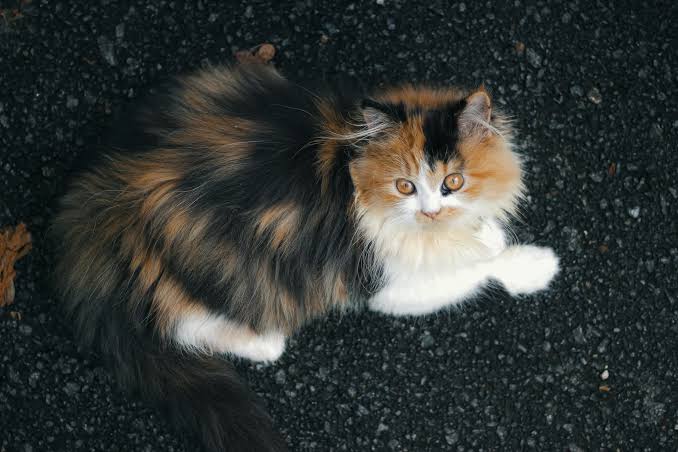
- Tortoiseshell
- Calico
- Dilute Calico
With their luxurious coats, affectionate personalities, and timeless beauty, it’s easy to understand why so many cat lovers choose a kitten Persian cat for sale as the perfect addition to their family.
Personality and Temperament
Persian cats are widely known as the “furniture with fur” of the feline world due to their placid, gentle, and quiet nature. Unlike high-energy breeds that leap onto high shelves, Persians prefer a relaxed, low-key lifestyle centered around comfort and human companionship.
Core Temperament Traits
- Gentle and Soft-Spoken: Persians have sweet, quiet voices that they rarely use. They prefer to communicate through expressive eye contact, headbutts, and gentle pawing rather than vocalizing.
- Affectionate but Not Needy: They form deep, loyal bonds with their families and love lounging beside or on their humans. However, they are generally content being left alone for reasonable periods as long as they have a cozy spot to rest.
- Low Activity Level: While they enjoy short bursts of playful activity—such as chasing a feather wand or batting at a toy mouse—they spend most of their time napping, sunbathing, and observing their surroundings.
- Sensitivity to Noise and Chaos: Persians thrive best in calm, predictable homes. Loud environments, sudden changes, or boisterous young children can make them feel anxious or withdraw.
- Ground-Oriented: Due to their stocky (“cobby”) body type and short legs, Persians are not keen jumpers. You are far more likely to find them relaxing on a plush sofa, bed, or rug than scaling high kitchen cabinets.
Personality Overview
| Trait | Rating / Style | What to Expect |
| Energy Level | Low | Satisfied with minimal daily play; prefers lounging and sleeping. |
| Affection Level | High | Warm, loving, and docile with family members. |
| Vocal Level | Low | Soft, musical trills used sparingly. |
| Sociability | Moderate | Friendly with calm adults, gentle children, and easygoing pets. |
| Adaptability | Moderate | Thrives on routine; prefers quiet households over busy ones. |
Grooming Needs
Anyone considering a Persian cat kitten for sale should understand that regular grooming is an important part of caring for this beautiful breed. Persian cats have long, luxurious coats that require daily brushing with a steel comb to prevent tangles, mats, and excessive shedding.
Introducing grooming while Persian cats are still kittens helps them become comfortable with regular handling. While daily home grooming is essential, professional grooming may also be beneficial to keep their coats in excellent condition.
Occasional bathing can help maintain the softness and cleanliness of their coat. Because Persian cats have flat faces, it’s also important to gently clean around their eyes with a damp cloth to reduce tear staining.
Regular nail care is equally important. Persian kittens should have their nails trimmed weekly, while adult cats generally need nail trimming every two to three weeks.
Health Considerations
Before choosing a Persian cat kitten for sale, it’s helpful to understand some of the health conditions that may affect the breed. With proper care, nutrition, and regular veterinary checkups, Persian cats often enjoy a lifespan of 15 to 20 years.
Polycystic Kidney Disease (PKD)
Polycystic Kidney Disease (PKD) is an inherited condition that causes fluid-filled cysts to develop in the kidneys. These cysts gradually increase in size and number over time, potentially affecting normal kidney function. Common symptoms include increased thirst, frequent urination, reduced appetite, weight loss, and vomiting. Although there is no cure, specialized diets, medications, and supportive veterinary care can help manage the condition and improve a cat’s quality of life.
Brachycephalic Syndrome
Because Persian cats have a flat facial structure, they are more likely to experience breathing difficulties associated with brachycephalic syndrome. Narrow nostrils, an elongated soft palate, and restricted airways can make breathing more difficult, particularly during hot or humid weather.
Common signs include snoring, coughing, fatigue, gagging, and noisy breathing. Maintaining a healthy body weight and receiving regular veterinary care can help reduce respiratory problems and keep Persian cats comfortable.
Progressive Retinal Atrophy (PRA)
Progressive Retinal Atrophy (PRA) is a hereditary eye disease that gradually damages the retina. Early symptoms often include difficulty seeing in low light and enlarged pupils. As the condition progresses, vision slowly declines and may eventually lead to blindness. Although there is currently no cure, most cats adapt remarkably well by relying on their hearing, smell, and memory.
Dental Health
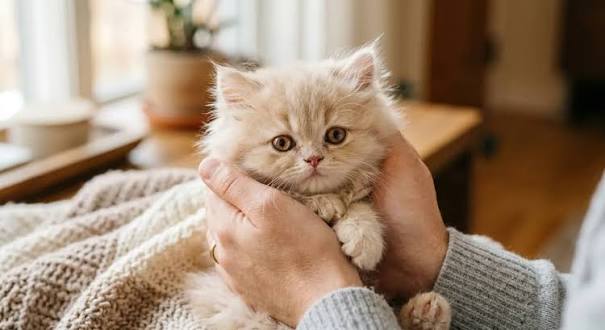
Like many flat-faced breeds, Persian cats are prone to dental problems because their teeth are often crowded within a relatively small jaw. This overcrowding increases the risk of plaque buildup, gum disease, and tooth decay. Regular dental care, including tooth brushing and routine veterinary examinations, helps maintain healthy teeth and gums throughout their lives.
Diet and Nutrition
Persian kittens have distinct nutritional needs shaped by their slow growth rate, flat (brachycephalic) jaw structure, and dense double coat. Providing a nutrient-rich diet during their first year supports healthy skeletal development, digestion, and skin health.
Essential Nutritional Components
- High Animal Protein: Look for real meat (chicken, turkey, salmon) as the first ingredient to build lean muscle mass.
- Omega-3 & Omega-6 Fatty Acids: EPA and DHA from fish oil feed their hair follicles, reducing skin irritation, dander, and excessive matting.
- Prebiotics & Easily Digestible Proteins: Highly digestible proteins (L.I.P.) and prebiotics (FOS, MOS) support sensitive digestive systems and improve stool quality.
- Balanced Minerals: Precise ratios of calcium and phosphorus support their heavy-boned, “cobby” skeleton without causing kidney strain.
Key Dietary Considerations for Persian Kittens
- Specialized Kibble Shape: Due to their shortened upper jaw, flat-faced kittens often pick up kibble using the underside of their tongue. Choose breed-specific Persian kitten formulas or small, almond-shaped kibble that is easy to grasp and chew.
- High Wet Food Proportion: Incorporate wet food daily. It supplies vital hydration to support urinary tract health, which is especially important for Persian breeds susceptible to kidney issues.
- Hairball Control Formulas: Even as kittens, Persians groom frequently. Added natural fibers (such as psyllium husk) help pass ingested fur safely through the digestive tract.
Daily Feeding Schedule by Age
| Age Range | Meals Per Day | Diet Type |
| 8–12 Weeks | 4 small meals | Moistered kitten kibble mixed with warm wet food or kitten milk replacer (KMR). |
| 3–6 Months | 3 meals | Combination of dedicated kitten wet food and dry kibble. |
| 6–12 Months | 2–3 meals | High-protein kitten formula; transition to adult Persian food around 12 months. |
Foods to Avoid
Raw Diets (Without Vet Guidance): Young kittens have fragile immune systems that are highly vulnerable to bacterial pathogens like Salmonella found in unbalanced raw food.
Cow’s Milk: Kittens lack the enzymes to digest lactose properly, leading to severe diarrhea and dehydration.
Human Table Scraps: Onions, garlic, chocolate, grapes, raisins, and cooked bones are toxic to cats.
Exercise and Enrichment
If you’re considering a Persian cat kitten for sale, it’s important to know that Persian cats are generally a low-energy breed. Even so, regular exercise and mental stimulation are essential to help prevent obesity and boredom. Persian cats enjoy short bursts of play and are especially fond of interactive toys, balls, and catnip mice. Owners should encourage daily play sessions to keep their Persian healthy, active, and mentally engaged.
Suitable Living Environment
A Persian cat kitten for sale is best suited for a calm and loving home. Persian cats are gentle, affectionate companions that enjoy spending time with their families. Although they can tolerate being alone for short periods, they prefer companionship and do not like being left alone for extended periods.
Thanks to their adaptable nature, Persian cats can live comfortably with children and other pets, provided the environment is peaceful and they are handled gently. They may not do as well in busy or highly active households.
An indoor environment is ideal for a Persian cat kitten for sale. Keeping Persian cats indoors helps protect their long, luxurious coats from dirt, debris, tangles, and overheating, while also reducing exposure to outdoor hazards.
Caring for Your Persian Cat
Bringing home a Persian cat kitten for sale is a long-term commitment that requires proper care, regular grooming, a balanced diet, routine veterinary checkups, and plenty of affection. With the right care and attention, Persian cats reward their owners with years of loyal companionship, gentle affection, and timeless beauty, making them one of the most cherished cat breeds in the world.
Persian Cat Behavior Tips
Persians are well known for their calm, affectionate, and gentle personalities. Owners of these beautiful cats often describe them as peaceful companions with elegant manners and a dignified presence. Whether you have a family pet or are searching for a Persian cat kitten for sale, this breed is admired for bringing a sense of comfort and tranquility into any home while proudly displaying its stunning appearance.
Persians are generally more relaxed and easygoing than many other cat breeds. They are not typically known for being overly energetic or feisty, although every cat has its own unique personality and charming quirks that make it special.
Like all cats, however, Persians can occasionally develop unwanted behaviors such as jumping on kitchen counters, rough play, or scratching furniture. These habits are much easier to correct when training begins while your Persian cat kitten for sale is still young. With consistent guidance, patience, and positive reinforcement, your Persian kitten can grow into a well-mannered, affectionate companion, allowing you to enjoy a peaceful and rewarding life together.
No Fighting or Biting
Playing with your hands may seem harmless when your Persian is young, but it can encourage biting and scratching as your cat grows. If you are raising a kitten Persian cat for sale, it is important to teach appropriate play habits from the beginning. Using your hands or feet as toys can confuse your kitten, making it difficult for them to understand why the behavior is no longer acceptable as an adult.
Instead, encourage interactive play with cat-safe toys. Toys allow your Persian kitten to satisfy its natural hunting instincts without learning to bite or scratch people. If your kitten starts biting or scratching during play, remain still and immediately end the play session for a few minutes. This helps your kitten Persian cat for sale understand that rough behavior results in the loss of attention without creating fear or stress.
Early training is especially important because Persians require regular grooming throughout their lives. A kitten Persian cat for sale should become comfortable with being handled, brushed, and gently turned over during grooming sessions. Teaching your kitten to stay calm while being groomed from an early age makes future grooming much easier and less stressful for both the cat and the owner.
Although kittens naturally see moving hands as something to chase, they should learn that grooming time is different from playtime. Calm, consistent correction and a firm “No” can help reinforce acceptable behavior. Repeating this training whenever necessary helps your Persian understand boundaries and develop good manners.
Many Persian kittens also enjoy stalking and pouncing on moving feet or ankles as part of their natural play behavior. While this is normal, it should be redirected toward appropriate toys instead of people. Wand toys, feather toys, and interactive play sessions provide healthy outlets for your Persian cat kitten for sale while reducing unwanted ambushing behavior around the home.
Regular play is essential for every Persian cat. Providing daily interaction and a variety of engaging toys helps your kitten stay mentally stimulated while learning when it is appropriate to play and when it is time to relax.
Preventing Unwanted Scratching
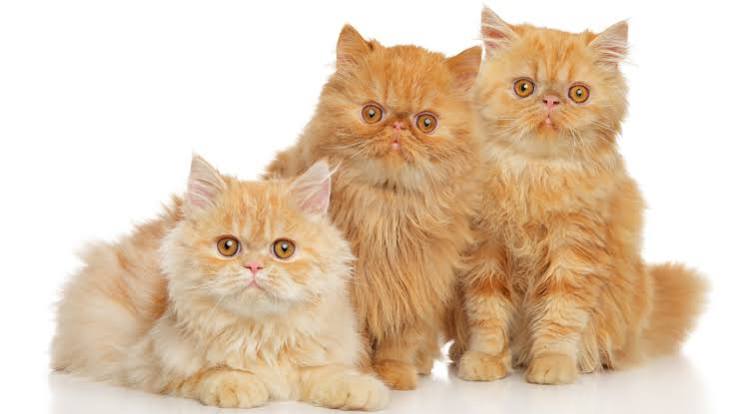
Scratching is a completely natural behavior for Persian cats. They scratch to maintain healthy claws, stretch their muscles, and communicate with other cats. If you own a Persian cat kitten for sale, understanding this instinct will help you manage scratching without punishment.
Keeping your Persian’s nails trimmed is one of the most effective ways to prevent damage to furniture and household items. Regular nail maintenance reduces the risk of destructive scratching while keeping your kitten comfortable. Declawing is not recommended, as it is an invasive procedure that can negatively affect a cat’s long-term health and well-being.
Providing suitable scratching surfaces is equally important. Offer sturdy vertical scratching posts, cat trees, scratching condos, or horizontal cardboard scratchers in areas where your Persian spends the most time. Every Persian cat kitten for sale has its own preferences, so experimenting with different scratching materials can help you discover which type your kitten enjoys most.
If your Persian prefers scratching furniture or rugs, try offering scratching posts with a similar texture nearby. Redirecting your kitten toward approved scratching areas while rewarding positive behavior helps build good habits over time.
Scratching behavior also changes as cats mature. Kittens often scratch and climb as part of energetic play, while adult cats are more likely to scratch to mark their territory. A tall cat tree or climbing condo provides an excellent outlet for climbing instincts and helps prevent damage to curtains, furniture, or bedding.
Interactive toys and climbing structures keep your kitten Persian cat for sale physically active and mentally engaged. The more opportunities your kitten has to climb, scratch, and play appropriately, the less likely it is to develop destructive habits.
If your Persian continues scratching inappropriate surfaces, you can make those areas less appealing by using pet-safe deterrents such as double-sided tape, aluminum foil, or motion-activated devices. Combined with proper training and plenty of acceptable scratching options, these methods help encourage positive behavior while protecting your home.
A Lifetime of Good Manners
Living with a Persian is a truly rewarding experience, especially when good habits are encouraged from an early age. Whether you have recently welcomed a Persian cat kitten for sale into your home or have an older Persian, patience and consistency are the keys to raising a well-behaved companion. Like any pet, your Persian may occasionally develop unwanted habits, but with understanding and gentle guidance, many behaviors naturally improve over time.
Positive reinforcement is one of the most effective ways to teach your Persian cat kitten for sale good manners. Praise, affection, and treats can encourage desirable behaviors, such as playing with appropriate toys or using designated scratching posts. Rewarding good behavior helps your kitten understand what is expected while strengthening the bond between you and your pet.
Set your Persian cat kitten for sale up for success by providing suitable toys, scratching surfaces, and a safe environment where natural feline behaviors can be expressed appropriately. Rather than focusing on punishment, consistently reward the behaviors you want to encourage. With patience, love, and positive training, your Persian will grow into a calm, affectionate, and well-mannered companion for years to come.
Frequently Asked Questions About Persian Kittens
Are Persian kittens friendly?
Yes. Persian cats are generally known for their gentle and affectionate temperament. Individual personalities can differ depending on genetics, socialization, and environment.
Are Persian kittens easy to care for?
Persian kittens are relatively easy to care for when their basic needs are met, but their long coats require consistent grooming.
Do Persian kittens need to be brushed?
Yes. Regular brushing is important for helping prevent tangles and mats and keeping the coat in good condition.
Are Persian kittens good indoor cats?
Yes. Persian cats generally adapt well to indoor living and often prefer comfortable, calm environments.
What do Persian kittens eat?
Persian kittens should receive a complete and balanced kitten diet appropriate for their age. Ask your veterinarian for feeding recommendations specific to your kitten.
How long do Persian cats live?
With appropriate nutrition, veterinary care, responsible breeding, and a safe environment, Persian cats can live for many years.
Can Persian kittens live with other pets?
They can. Proper introductions and gradual socialization are important when introducing a Persian kitten to another cat or dog.
How do I find a healthy Persian kitten for sale?
Look for a seller who can provide clear information about the kitten’s age, health care, vaccination history, socialization, parents or lineage where applicable, and current living conditions. Avoid making a purchase based solely on photographs or an unusually low price.