
Introduction
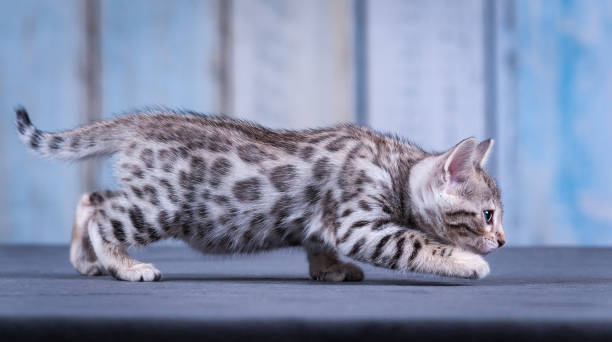
Learn about Silver Bengal kittens, including their appearance, personality, care, health, price, and what to know before buying. Their shimmering silver coats, striking dark markings, and energetic personalities make them a favorite choice for people looking for a companion that is both beautiful and engaging. Although they resemble miniature wild cats, Silver Bengals are affectionate domestic pets that thrive in loving homes where they receive plenty of attention, exercise, and mental stimulation.
Whether you are considering buying a Silver Bengal kitten or simply want to learn more about this remarkable breed, understanding their personality, care requirements, health, and temperament is essential. These intelligent cats are not suited to every household, but for the right owner, they become loyal companions that provide years of enjoyment.
This guide covers everything you need to know about Silver Bengal kittens, from their history and appearance to their daily care, training, and health. Buy Silver Bengal kittens from us for an affordable prices and a free shipping is guaranteed
What Is a Silver Bengal Kitten?
A Silver Bengal kitten is a color variation of the Bengal cat, a breed developed to combine the exotic appearance of a wild cat with the friendly nature of a domestic companion. The silver coloration is produced by a naturally occurring genetic inhibitor that reduces warm pigments in the coat, creating a cool silver background highlighted by bold black or charcoal markings.
Silver Bengals are recognized by major cat associations and are admired for their dramatic contrast between their coat color and distinctive spots, rosettes, or marbled patterns. While their appearance may remind people of a leopard, they are fully domesticated cats bred to live comfortably with families.
Like all Bengals, Silver Bengals are intelligent, active, curious, and highly interactive. They enjoy exploring their surroundings, learning new skills, and spending time with their owners.
The History of the Silver Bengal
The Bengal breed traces its origins to breeding programs that paired domestic cats with the Asian leopard cat. The goal was to create a healthy domestic cat that retained the striking appearance of its wild ancestor while developing a gentle and social temperament.
Over many generations, breeders carefully selected cats for good health, stable personalities, and beautiful coat patterns. As the breed became more established, additional color variations emerged, including the elegant silver coat that has become increasingly popular among Bengal enthusiasts.
Today, Silver Bengals are appreciated worldwide for their distinctive appearance and lively personalities. Responsible breeding programs continue to focus on producing healthy kittens with excellent temperaments while preserving the breed’s athletic build and signature coat.
Why Silver Bengal Kittens Are So Popular
Silver Bengals stand out for more than their appearance. Their combination of intelligence, athleticism, and affection makes them one of the most rewarding breeds for owners who enjoy an active pet.
A Stunning Appearance
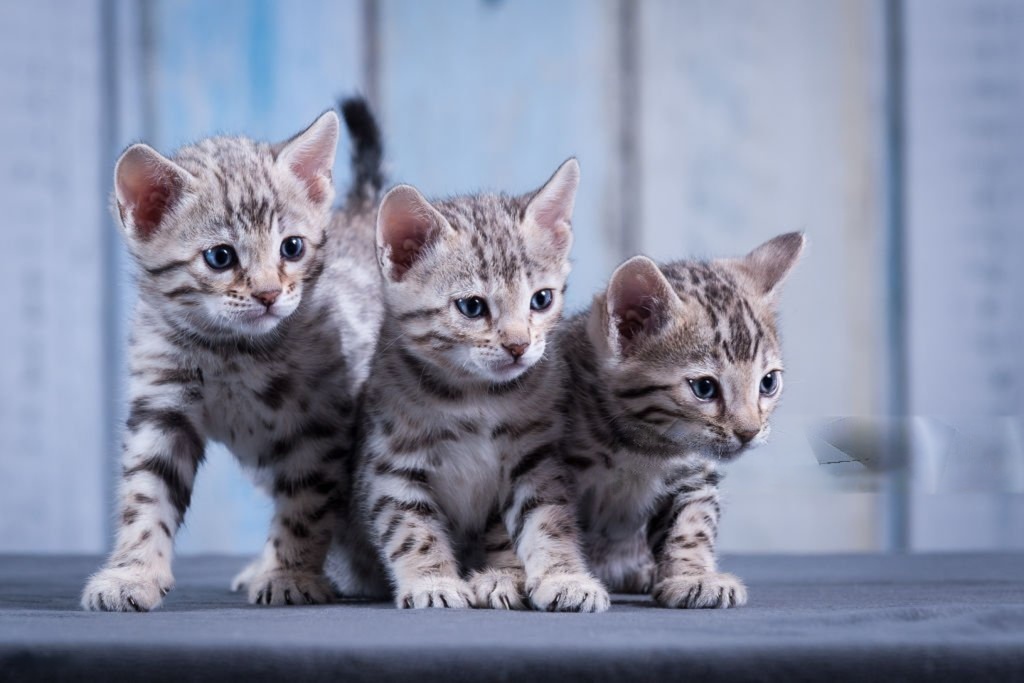
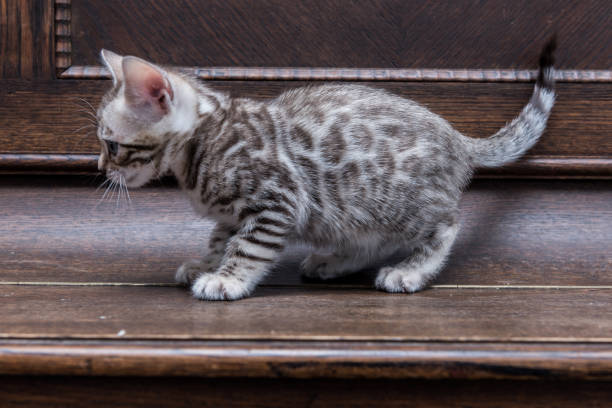
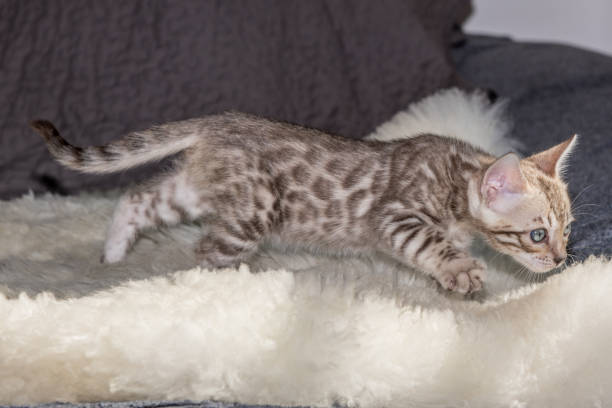
The shimmering silver coat immediately catches attention. Combined with dark markings and a sleek, muscular body, the breed has an elegant look unlike most domestic cats. Each kitten develops its own unique pattern, making every Silver Bengal truly one of a kind.
Highly Intelligent
Silver Bengals are quick learners. Many owners teach them to respond to their names, walk on a harness, retrieve toys, or solve interactive puzzles. Their intelligence means they enjoy activities that challenge both their minds and bodies.
Energetic and Playful
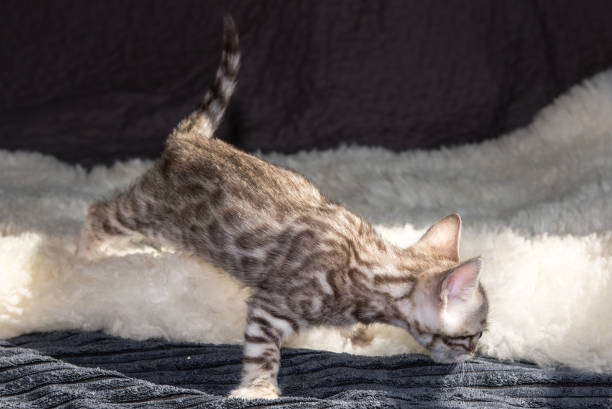
Unlike breeds that spend much of the day lounging, Silver Bengals love movement. They enjoy climbing cat trees, chasing toys, exploring shelves, and playing interactive games with their families. Regular playtime helps satisfy their natural curiosity and prevents boredom.
Social and Affectionate
Despite their wild appearance, Silver Bengals usually form close bonds with their families. Many follow their owners from room to room, greet visitors with curiosity, and enjoy participating in everyday household activities. While each cat has its own personality, most Bengals thrive on companionship and interaction.
Physical Characteristics of Silver Bengal Kittens
Silver Bengals are medium to large cats with a strong, athletic build. They are lean yet muscular, allowing them to jump impressive distances and climb with ease.
Coat
Their short, dense coat feels soft and silky while requiring relatively little maintenance. Healthy Bengals often display a natural shimmer that enhances the silver background.
Silver coat shades may include:
- Bright silver
- Light platinum
- Charcoal silver
- Soft pewter
- Pale white-silver
The cleaner the silver background and the stronger the contrast with the markings, the more striking the overall appearance.enjoy participating in household activities.
Markings
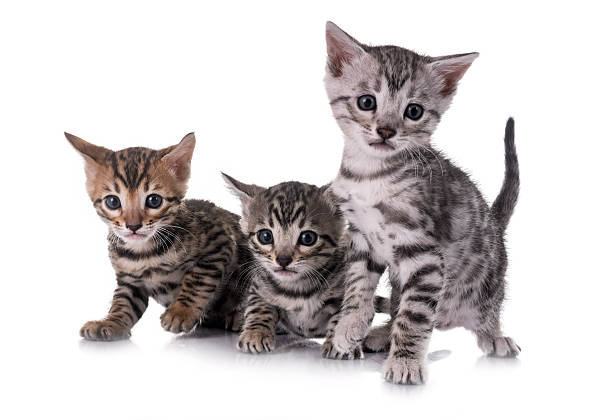
Silver Bengals may display several different coat patterns, including:
- Rosettes
- Solid spots
- Marbled swirls
- Arrowhead markings
Rosetted coats are especially admired because they closely resemble the markings found on wild leopards.
Eyes
Depending on genetics, Silver Bengals may have:
- Green eyes
- Gold eyes
- Hazel eyes
- Blue-green eyes
Their alert expression gives them an intelligent and curious appearance.
Body Structure
Silver Bengals have:
- Long muscular bodies
- Strong shoulders and hindquarters
- Thick tails
- Medium-sized ears
- Large, rounded paws
Their athletic build allows them to run, jump, and climb with remarkable agility.
Personality and Temperament
A Silver Bengal kitten is far more than a beautiful pet. These cats are known for their engaging personalities and love of interaction.
They enjoy investigating anything new in their environment and often entertain themselves by exploring cabinets, climbing shelves, or watching birds through a window. Their curiosity makes them fast learners, but it also means they appreciate a home filled with safe opportunities for exploration.
Silver Bengals are also excellent communicators. Instead of loud, constant meowing, many express themselves through a variety of chirps, trills, and soft vocalizations to get their owner’s attention.
Because they enjoy companionship, they generally do not like being left alone for extended periods. Families who spend time playing with and interacting with their Bengal often find that these cats become deeply bonded and highly affectionate.
Are Silver Bengal Kittens Good Family Pets?
For many households, the answer is yes. Silver Bengals can be wonderful family pets when their physical and mental needs are met.
They often do well with respectful children who understand how to handle animals gently. Many also adapt well to homes with other cats or cat-friendly dogs when introductions are made gradually.
However, their energy level may surprise first-time cat owners. They are happiest in homes where they have room to climb, toys to explore, and people who enjoy spending time with them each day.
Owners looking for a quiet, low-maintenance cat may find another breed a better fit, but families seeking an active and interactive companion often appreciate everything a Silver Bengal has to offer.
How to Care for Silver Bengal Kittens
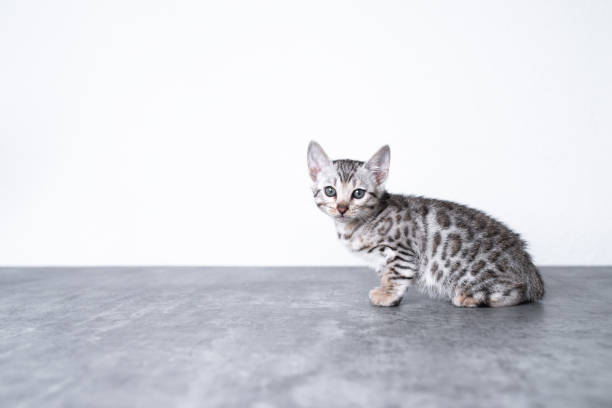
Bringing home a Silver Bengal kitten is an exciting experience, but providing the right care from the beginning is essential for raising a healthy and well-adjusted cat. Because Bengals are naturally active and intelligent, they require more attention than many traditional domestic breeds.
Creating a consistent daily routine that includes proper nutrition, exercise, grooming, and social interaction will help your kitten thrive.
Feeding and Nutrition
A balanced diet is one of the most important factors in your kitten’s growth and overall health. Silver Bengal kittens grow quickly and need high-quality nutrition to support their developing muscles, bones, and immune system.
Choose a premium kitten food that lists real animal protein—such as chicken, turkey, duck, or salmon—as the primary ingredient. Protein is especially important because Bengals are naturally athletic and maintain a lean, muscular body throughout their lives.
A healthy diet should include:
- High-quality animal protein
- Healthy fats for energy and coat health
- Essential vitamins and minerals
- Taurine for heart and eye health
- Fresh drinking water available at all times
Young kittens usually eat several small meals throughout the day, while adult Bengals often do well with two measured meals daily. Always follow your veterinarian’s recommendations based on your cat’s age, weight, and activity level.
Avoid overfeeding, as excess weight can reduce your cat’s natural agility and increase the risk of health problems.
Grooming Requirements
One of the advantages of owning a Silver Bengal is that their beautiful coat requires relatively little maintenance.
Their short, dense fur sheds less than many long-haired breeds and rarely mats. A simple grooming routine helps keep their coat healthy while giving you an opportunity to check for skin issues or parasites.
A basic grooming routine includes:
- Brushing once each week
- Trimming nails every few weeks
- Cleaning ears when necessary
- Brushing teeth regularly
- Checking eyes for irritation or discharge
Many Bengals actually enjoy being brushed if introduced to grooming at an early age. Positive experiences during kittenhood often make grooming much easier throughout adulthood.
Exercise and Daily Activity
Silver Bengals are among the most active domestic cat breeds. They enjoy climbing, jumping, running, and exploring nearly every corner of their home.
Without enough exercise, they can become bored and may develop unwanted behaviors such as scratching furniture, climbing kitchen counters, or constantly seeking attention.
Daily activity helps maintain both physical and mental health.
Excellent ways to keep your Bengal entertained include:
- Interactive wand toys
- Laser pointers (used responsibly)
- Puzzle feeders
- Climbing towers
- Window perches
- Cat tunnels
- Scratching posts
- Ball toys
- Hide-and-seek games
Most Bengals benefit from at least 30 to 60 minutes of active play each day, divided into several shorter sessions.
Mental Enrichment
Physical exercise alone is not enough for this highly intelligent breed.
Silver Bengals enjoy solving problems and learning new skills. Providing mental stimulation helps prevent boredom and encourages positive behavior.
Ideas for enrichment include:
- Food puzzle toys
- Rotating toys every few days
- Teaching simple tricks
- Clicker training
- Exploring cat-safe outdoor enclosures
- Interactive play with family members
Many Bengal owners are surprised by how quickly these cats learn routines and recognize household patterns.
Training Your Silver Bengal Kitten
Because of their intelligence, Silver Bengals are often easier to train than many other cat breeds.
Training should begin early using patience, consistency, and positive reinforcement. Reward-based methods encourage your kitten to repeat desirable behaviors while strengthening the bond between you.
Many Silver Bengals can learn:
- Their name
- Coming when called
- Sitting on command
- High-five
- Fetching toys
- Walking on a harness
- Using scratching posts
- Traveling comfortably in a carrier
Avoid punishment-based training. Bengals respond much better to praise, treats, and encouragement than to harsh corrections.
Litter Box Training
Most Bengal kittens learn litter box habits quickly when provided with a clean and easily accessible litter area.
For the best results:
- Place litter boxes in quiet locations.
- Scoop waste daily.
- Clean boxes regularly.
- Use an unscented litter if your kitten seems sensitive.
- Provide one litter box per cat, plus one extra in multi-cat households.
Maintaining a clean litter box encourages consistent use and helps prevent accidents.
per background information.
Preparing Your Home for a Silver Bengal Kitten
Before your kitten arrives, prepare essential supplies:
- Food bowls
- Litter box
- Cat bed
- Toys
- Scratching posts
- Climbing structures
Creating an engaging environment helps your Bengal adjust quickly.
Common Mistakes New Silver Bengal Owners Make
New owners sometimes underestimate the needs of Bengal cats.
Common mistakes include:
Not Providing Enough Exercise
Bored Bengals may become destructive.
Ignoring Mental Stimulation
Intelligent cats need challenges.
Choosing Poor Nutrition
Diet directly affects health and energy levels.
Lack of Social Interaction
Silver Bengals thrive on companionship.
Health and Lifespan
With responsible breeding, proper nutrition, regular veterinary care, and a safe home environment, Silver Bengal cats commonly live between 12 and 16 years, with many reaching even older ages.
Routine veterinary checkups are important for monitoring your cat’s overall health and detecting potential issues early.
Preventive care should include:
- Annual wellness examinations
- Vaccinations
- Parasite prevention
- Dental care
- Weight monitoring
- Routine blood work when recommended
Working closely with your veterinarian helps ensure your Bengal enjoys a long and healthy life.
Common Health Concerns
Although Silver Bengals are generally healthy cats, like all breeds, they can be predisposed to certain inherited conditions.
Hypertrophic Cardiomyopathy (HCM)
HCM is one of the most recognized heart conditions affecting Bengal cats. Responsible breeders screen breeding cats to reduce the risk of passing this condition to future generations.
Regular veterinary examinations can help identify early signs.
Progressive Retinal Atrophy (PRA)
This inherited eye condition may gradually affect vision in some cats. Ethical breeders perform genetic testing to minimize the likelihood of producing affected kittens.
Patellar Luxation
Some Bengals may experience kneecap instability, which can affect mobility. Mild cases often require monitoring, while severe cases may need veterinary treatment.
Digestive Sensitivity
Certain Bengals have sensitive stomachs and may respond best to consistent, high-quality diets without frequent food changes.
If your kitten experiences ongoing digestive problems, consult your veterinarian before changing foods.
Dental Health
Dental care is often overlooked but plays an important role in your Bengal’s overall well-being.
Regular brushing, dental treats approved by your veterinarian, and professional cleanings when necessary can reduce plaque buildup and help prevent gum disease.
Introducing tooth brushing while your Bengal is still a kitten makes the process much easier later in life.
Preparing Your Home
Before bringing your Silver Bengal home, make sure your living space is safe and ready for an energetic new family member.
Essential supplies include:
- Food and water bowls
- High-quality kitten food
- Litter box and litter
- Comfortable cat bed
- Scratching posts
- Climbing tree or cat tower
- Interactive toys
- Grooming brush
- Nail clippers
- Secure pet carrier
Because Bengals love climbing, many owners install cat shelves or climbing systems to provide additional vertical space.
Creating a Safe Environment
Like young children, curious kittens investigate everything.
Before your kitten arrives:
- Secure electrical cords.
- Remove toxic plants.
- Store cleaning products safely.
- Keep small objects out of reach.
- Close windows securely.
- Check appliances before use.
Taking these precautions helps prevent accidents while allowing your Bengal to explore safely.
Socialization
Early socialization helps Silver Bengal kittens become confident, friendly adults.
Expose your kitten gradually to:
- Different people
- Household sounds
- Gentle handling
- New toys
- Car rides
- Veterinary visits
Positive early experiences build confidence and reduce stress later in life.
With patience, routine, and plenty of affection, your Silver Bengal will grow into a confident, intelligent, and devoted companion that enjoys being an active member of your family.
How Much Does a Silver Bengal Kitten Cost?
The price of a Silver Bengal kitten can vary depending on several factors, including the breeder’s reputation, bloodline, coat quality, pedigree, geographic location, and whether the kitten is intended as a pet or for breeding or show purposes.
Kittens from reputable breeders are often more expensive because they receive proper veterinary care, vaccinations, genetic health screening, early socialization, and quality nutrition before going to their new homes.
Remember that the purchase price is only part of the total cost of ownership. You should also budget for ongoing expenses such as:
- Premium cat food
- Routine veterinary visits
- Vaccinations and parasite prevention
- Pet insurance (if desired)
- Litter and litter boxes
- Toys and enrichment items
- Cat trees and scratching posts
- Grooming supplies
- Emergency veterinary care
Planning for these long-term costs helps ensure you can provide your Bengal with a happy and healthy life.
Choosing a Reputable Silver Bengal Breeder
Finding the right breeder is one of the most important steps when purchasing a kitten.
Responsible breeders focus on producing healthy, well-socialized cats rather than simply selling kittens. They are usually happy to answer questions, explain their breeding program, and provide documentation about their cats’ health.
A trustworthy breeder should be able to provide:
- Complete vaccination records
- Veterinary health examinations
- Genetic health testing for breeding cats
- Registration papers (if applicable)
- Information about the kitten’s parents
- Feeding recommendations
- Ongoing support after adoption
Good breeders also spend time socializing their kittens so they become confident and comfortable around people before leaving for their new homes.
Warning Signs to Watch For
Not every seller follows responsible breeding practices.
Be cautious if you notice any of the following:
- Kittens offered at unusually low prices.
- No proof of vaccinations or health checks.
- Refusal to answer questions.
- Poor living conditions.
- Kittens that appear fearful, weak, or unhealthy.
- Pressure to make an immediate purchase.
- No written health guarantee or purchase agreement.
Taking the time to research breeders can help you avoid future health and behavioral problems.
Can You Adopt a Silver Bengal?
Although many people purchase Silver Bengals from breeders, adoption is another option worth considering.
Occasionally, Bengals become available through breed-specific rescue organizations, animal shelters, or rehoming programs. Adult Bengals and older kittens can make wonderful companions and often adapt well to loving homes.
Before adopting, ask about:
- Medical history
- Vaccination status
- Personality
- Previous living environment
- Compatibility with children or other pets
Adopting a cat in need can be a rewarding experience while giving a deserving animal a second chance.
Frequently Asked Questions
Are Silver Bengal kittens rare?
Yes. Silver Bengals are less common than many other Bengal colors, making them especially sought after by cat enthusiasts.
Are Silver Bengals good with children?
Many Silver Bengals do very well with respectful children who understand how to interact gently with pets. Early socialization and supervision help create positive relationships.
Do Silver Bengals get along with other pets?
Most Silver Bengals can live happily with other cats and cat-friendly dogs when introductions are gradual and positive.
Are Silver Bengals easy to train?
Yes. Their intelligence makes them one of the most trainable cat breeds. Many enjoy learning tricks, walking on a harness, and playing interactive games.
Do Silver Bengals shed a lot?
No. Their short coat sheds relatively little compared to many other breeds, making grooming simple and manageable.
How much exercise does a Silver Bengal need?
These active cats benefit from daily play sessions, climbing opportunities, and interactive enrichment. Consistent activity helps keep them physically fit and mentally stimulated.
Are Silver Bengals suitable for apartment living?
They can adapt well to apartment living if they have enough enrichment, climbing space, and daily interaction. Cat trees, shelves, and engaging toys help satisfy their natural instincts.
Is a Silver Bengal Kitten the Right Choice for You?
A Silver Bengal kitten offers much more than a striking appearance. This breed combines intelligence, athletic ability, curiosity, and affection into one remarkable companion.
They are best suited to owners who enjoy interactive pets and are prepared to invest time in play, training, and enrichment. In return, Silver Bengals often develop strong bonds with their families and become active participants in daily life.
Before bringing one home, make sure you understand the breed’s exercise requirements, nutritional needs, and commitment to lifelong veterinary care. Choosing a healthy kitten from a responsible breeder—or adopting through a reputable rescue—can make all the difference in your experience as a Bengal owner.
With proper care, patience, and a stimulating environment, a Silver Bengal can become a loyal companion for many years, bringing energy, intelligence, and endless entertainment to your home.
Final Thoughts
Silver Bengal kittens continue to captivate cat lovers around the world with their elegant silver coats, bold markings, and engaging personalities. They are not only beautiful to look at but also highly interactive, making them a wonderful choice for families and individuals who want an active feline companion.
Whether you are researching the breed, preparing to welcome your first Bengal, or simply exploring your options, learning about their unique characteristics is the first step toward responsible ownership. By providing proper nutrition, regular veterinary care, daily exercise, and plenty of affection, you’ll help your Silver Bengal enjoy a healthy, fulfilling life and create a lasting bond that both of you can cherish.