
A white Bengal kitten is one of the most captivating domestic cats you can bring into your home. With its pale coat, striking markings, athletic body, and intelligent personality, this beautiful cat often reminds people of a miniature snow leopard. Although its appearance looks wild, the white Bengal is a fully domestic cat that has been selectively bred for companionship, making it both an eye-catching pet and an affectionate family member.
Many people first discover white Bengal kittens because of their unusual beauty. Their icy coats, vivid blue or aqua eyes, and distinctive spotted or marbled patterns make them stand out from almost every other cat breed. However, appearance is only one part of what makes these cats so popular. Bengal kittens are exceptionally curious, highly intelligent, and full of energy. They enjoy learning, exploring, climbing, and interacting with the people around them.
Before choosing any Bengal kitten, it’s important to understand that this breed has different needs than many traditional house cats. They thrive in homes where they receive daily playtime, mental stimulation, and plenty of opportunities to stay active. Owners who enjoy interactive pets often find the Bengal’s personality rewarding because these cats like to participate in everyday family life rather than simply sleeping for most of the day.
This guide explains everything you should know before bringing home a white Bengal kitten. You’ll learn how their unique coat colors develop, what their personalities are like, how to care for them properly, what health considerations to keep in mind, how much they typically cost, and how to choose a healthy kitten from a responsible breeder.
What Is a White Bengal Kitten?
The Bengal is a domestic cat breed recognized for its distinctive spotted or marbled coat and athletic appearance. The breed was developed from domestic cats and Asian leopard cat ancestry, with modern Bengals bred as domestic companion animals.
Key Characteristics
- Genetic Background: They are not albinos or white tigers. Their pale coat comes from recessive point-restriction genes inherited from Siamese and Burmese lineage introduced early in the Bengal breed’s development.
- Coat Development: Snow Bengal kittens are often born almost solid white or pale ivory. Their rosettes, spots, or marbling darken gradually over their first 1 to 2 years of life.
- Personality & Build: They share the same high-energy, athletic, vocal, and intelligent personality traits as traditional brown or silver Bengals.
What Does a White Bengal Kitten Look Like?
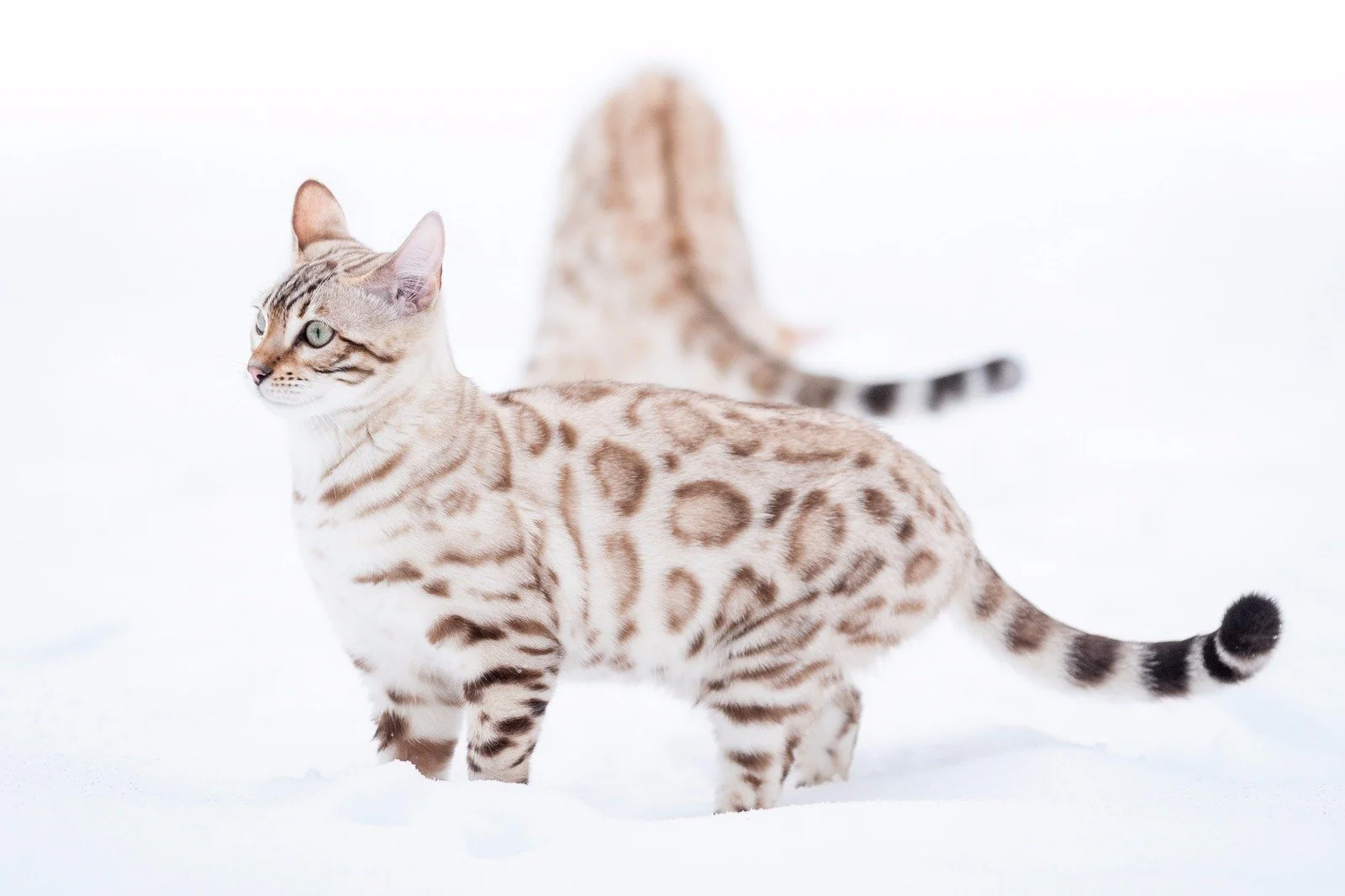
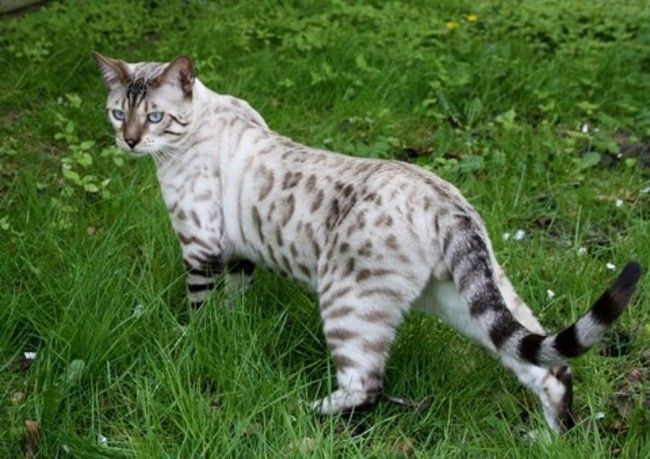
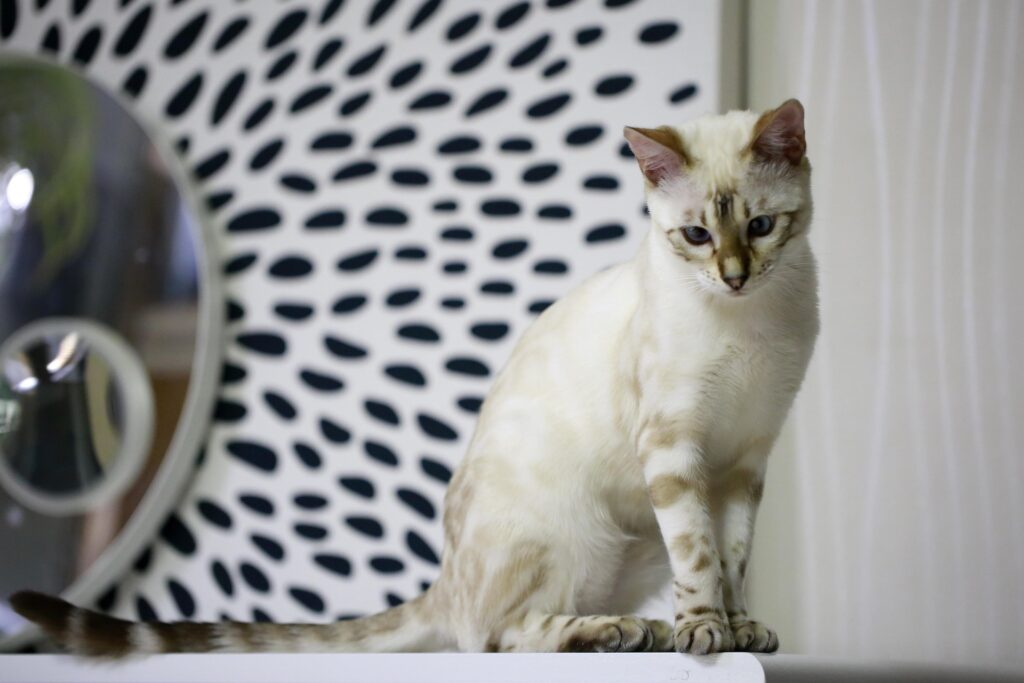
A “White” Bengal kitten (officially registered as a Snow Bengal) resembles a miniature snow leopard. Rather than being solid chalk-white, they feature an off-white, ivory, or pale cream background coated in contrasting brown, charcoal, or seal-colored rosettes and spots.
Snow Bengal Colors, Genetics, and Physical Characteristics
Snow Bengals are a stunning coat group defined by partial albinism genes inherited from early outcrosses with Siamese and Burmese breeds. Despite their pale base coats, they retain the wild, muscular build and contrasting rosettes characteristic of the Bengal breed.
The Three Genetics-Based Snow Variations
Snow Bengals are divided into three distinct color categories based on which combination of point-restriction alleles (cs for Siamese, cb for Burmese) they inherit:
| Snow Color Variety | Genetic Alleles | Base Coat & Pattern Appearance | Eye Color |
| Seal Lynx Point | Homozygous Siamese (cs/cs) | Lightest variation. Born almost pure white; develops pale cream fur with soft beige or charcoal markings over time. | Bright Ice Blue |
| Seal Mink | Heterozygous Siamese/Burmese (cs/cb) | Medium contrast. Warm ivory or cream background with rich seal-brown or dark mink rosettes. | Aqua or Blue-Green |
| Seal Sepia | Homozygous Burmese (cb/cb) | Darkest snow variation. Soft tan or camel base coat featuring deep chocolate rosettes. | Green, Gold, or Hazel |
Physical Characteristics & Coat Traits
- Developmental Coat Coloration: Snow Bengal kittens are born with very little visible pattern. Their rosettes and contrast gradually darken and develop full definition over their first 12 to 24 months.
- Coat Texture & “Glitter”: Possess a short, plush, and extraordinarily soft pelt-like coat. Many Snow Bengals carry the “glitter gene,” causing their fur tips to catch the light and sparkle like micro-diamonds.
- Muscular & Athletic Build: Medium-to-large sized cats with long, lean bodies, heavy bone structure, powerful hind legs, and a thick tail carried low. Males typically weigh 10–15+ lbs, while females weigh 8–12 lbs.
- Facial Features: Broad wedge-shaped heads, prominent whisker pads, large round paws, and wide-set eyes ranging from ice blue to vivid aqua depending on their snow genetics.
Why Is a White Bengal Called a Snow Bengal?
Although many people search for “white Bengal kitten,” most cats with this appearance are officially classified as Snow Bengals. Their pale coats are produced by recessive color-point genes that reduce the intensity of the traditional brown coloration without removing the Bengal’s distinctive spots or marbled patterns.
Instead of a bright white coat, many Snow Bengals display shades such as:
- Ivory
- Cream
- Light beige
- Soft champagne
- Pale gold
These subtle shades give the coat depth while allowing the markings to remain visible.
Why White Bengal Kitten Change Color
New Bengal owners are sometimes surprised when their kitten looks different after several months.
This happens because Bengal coats continue developing throughout kittenhood. As the kitten grows:
- The background coat often becomes brighter.
- Spots and rosettes become darker.
- Contrast increases.
- Glitter becomes more noticeable.
- Eye color reaches its mature shade.
Many breeders explain that a Bengal’s final appearance may not be fully visible until it is between 18 months and two years old.
The Bengal “Glitter” Effect
One feature that makes many Bengals unique is the presence of glitter.
Glitter is a genetic trait that causes individual hairs to reflect light, creating a sparkling effect across the coat. Outdoors or under natural sunlight, the fur can appear as though it has been dusted with tiny crystals.
Not every Bengal carries this characteristic, but when present it adds another level of beauty to the breed.
Athletic Body Structure
The white Bengal’s appearance is about much more than coat color. These cats are built for movement.
A healthy Bengal typically develops:
- A muscular, medium-to-large body
- Strong shoulders and hindquarters
- Long, athletic legs
- Large paws
- Thick tail with a rounded tip
- Broad nose
- Well-defined whisker pads
This powerful build allows Bengals to jump impressive heights, climb with ease, and remain highly active throughout adulthood.
Facial Features
Bengal cats have an alert, expressive face that reflects their intelligence.
Common facial characteristics include:
- Wide-set eyes
- Rounded ears
- Strong chin
- Prominent whisker pads
- Slightly curved forehead
Combined with their striking eye colors and distinctive coat patterns, these features create the exotic expression that has made Bengals one of the most recognizable domestic cat breeds.
Does Every White Bengal Kitten Look Different?
Yes. Even kittens from the same litter can develop noticeably different coats.
Differences may include:
- Pattern shape
- Spot size
- Coat contrast
- Eye color
- Background coat shade
- Glitter intensity
This natural variation means every white Bengal kitten is unique. While breeders can predict likely colors and patterns based on genetics, each kitten develops its own individual appearance as it matures.
White Bengal Kitten Personality and Temperament
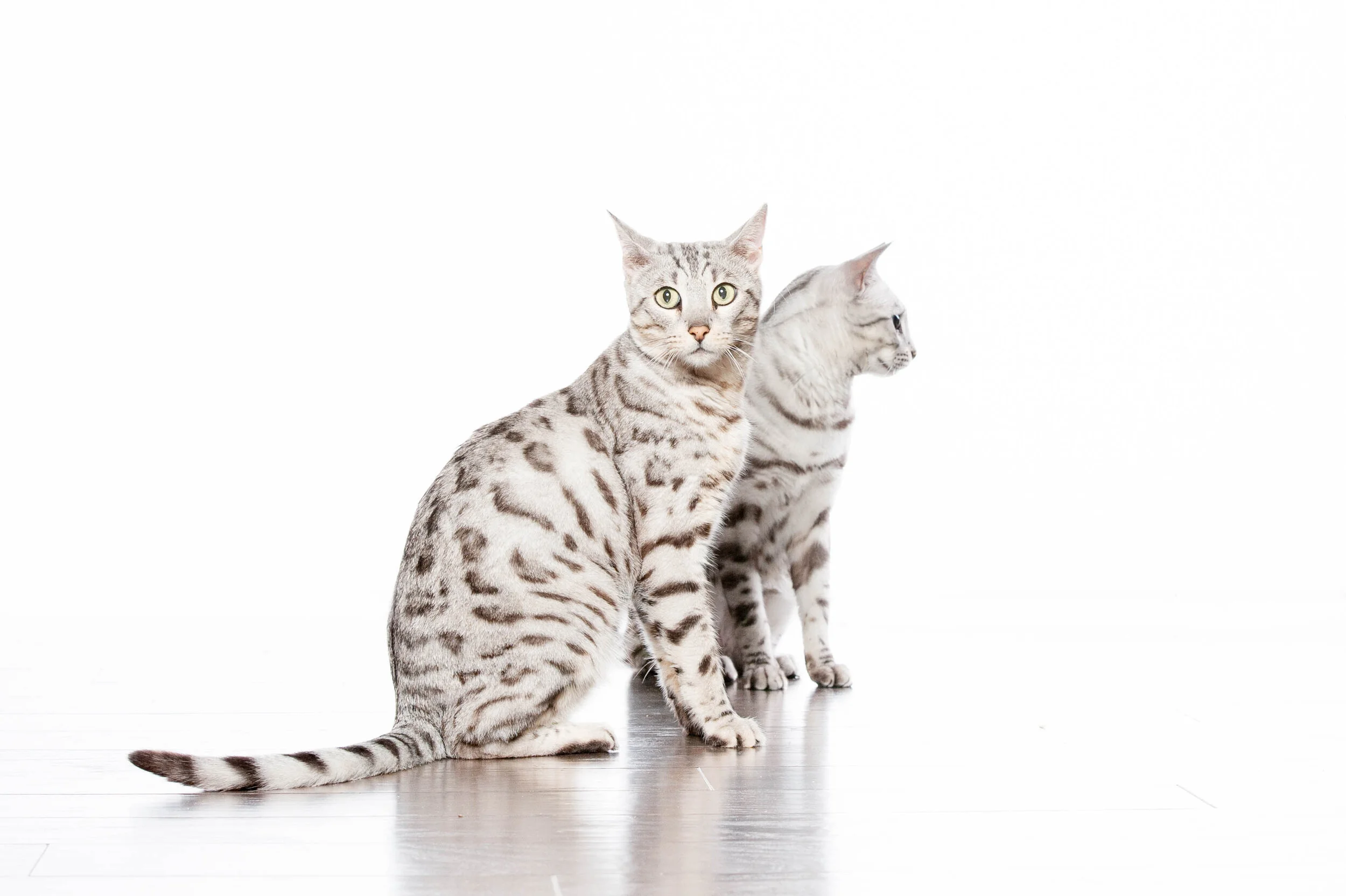
A white Bengal kitten is much more than an attractive cat with unusual markings. Behind its beautiful appearance is an intelligent, curious, and energetic companion that enjoys interacting with people and exploring its surroundings. Living with a Bengal is often very different from living with a more laid-back cat breed, which is why understanding its personality before adoption is so important.
While every kitten develops its own unique character, most Bengals share several behavioral traits that make the breed both rewarding and challenging to own.
A Highly Intelligent Breed
Bengals consistently rank among the most intelligent domestic cat breeds. They learn quickly, remember routines, and often figure out how everyday objects work. It isn’t unusual for a Bengal to discover how to open a cupboard, push open an interior door, or solve a food puzzle after only a few attempts.
Because of this intelligence, they need regular mental stimulation. A kitten that has opportunities to learn and explore is usually happier and more confident than one left without enrichment.
Activities that help stimulate a Bengal’s mind include:
- Puzzle feeders
- Interactive treat toys
- Clicker training
- Hide-and-seek games
- Rotating toys every few days
- Exploring new cat furniture
Keeping their minds active is just as important as providing physical exercise.
Curious About Everything
Curiosity is one of the defining characteristics of the Bengal breed.
Your kitten will likely inspect shopping bags, investigate new furniture, watch visitors arrive, and supervise almost everything happening around the house. Many owners joke that Bengals always want to know what everyone else is doing.
This curiosity is part of their natural intelligence and should be encouraged in safe ways rather than discouraged.
Creating climbing shelves, window perches, and exploration areas allows a Bengal to satisfy its curiosity without getting into trouble.
An Active Lifestyle
Unlike some cat breeds that spend much of the day sleeping, Bengals enjoy regular activity throughout the day.
A healthy white Bengal kitten may spend time:
- Running across the house
- Climbing cat trees
- Jumping onto high shelves
- Chasing feather wands
- Playing fetch
- Exploring every room
Their athletic ability develops early, so providing safe outlets for climbing and jumping helps protect both your furniture and your kitten.
Play Is Part of Their Daily Routine
Play isn’t simply entertainment for a Bengal—it’s an important part of their physical and mental development.
Interactive games strengthen the bond between owner and kitten while helping burn excess energy.
Popular Bengal toys include:
- Feather teaser wands
- Ball tracks
- Motion-activated toys
- Puzzle feeders
- Crinkle tunnels
- Climbing towers
Instead of leaving the same toys available every day, rotating them weekly keeps playtime interesting and prevents boredom.
Strong Bonds With Their Family
Although Bengals are energetic, they are also affectionate.
Many White Bengal Kitten enjoy following their owners from room to room, watching daily activities, and staying close without constantly demanding attention.
Some prefer curling up nearby while you work, while others enjoy joining family activities or greeting visitors at the door.
Every Bengal expresses affection differently, but many become deeply attached to their household.
Communication Style
Bengals are often more vocal than many traditional cat breeds.
Instead of using only standard meows, they communicate with:
- Chirps
- Trills
- Short meows
- Soft calls
- Purring
Many owners notice that their Bengal seems to “answer” when spoken to.
Learning your kitten’s different vocalizations helps you understand whether it wants attention, playtime, food, or simply wants to interact.
Do Bengals Enjoy Being Held?
This depends on the individual kitten.
Some white Bengal kittens happily relax in their owner’s arms, while others prefer sitting beside you rather than being carried.
Many Bengals show affection through interaction instead of prolonged cuddling.
Respecting your kitten’s preferences helps build trust and strengthens your relationship over time.
Living With Other Pets
Well-socialized Bengals often adapt successfully to homes with other animals.
Many enjoy living alongside:
- Other cats
- Cat-friendly dogs
- Confident companion animals
Early introductions, gradual socialization, and positive experiences help create harmonious relationships.
Because Bengals enjoy play, they generally do best with companions that appreciate active interaction rather than extremely timid pets.
Are White Bengal Kittens Good With Children?
In many households, yes.
Bengals often enjoy interactive games with respectful children who understand how to handle cats gently.
Children should learn to:
- Avoid pulling the kitten’s tail or ears.
- Let the kitten rest when it chooses.
- Use toys instead of hands during play.
- Respect the kitten’s personal space.
Supervised interactions help both children and kittens develop positive relationships.
Preventing Boredom
A bored Bengal often creates its own entertainment.
Without enough stimulation, some kittens may:
- Climb curtains
- Open cabinets
- Knock objects from shelves
- Scratch furniture
- Wake owners early for play
These behaviors usually indicate that the kitten needs more activity rather than punishment.
Daily enrichment dramatically reduces unwanted behaviors.
Building a Daily Routine
Bengals usually respond well to predictable routines.
A simple daily schedule might include:
Morning
- Breakfast
- Short interactive play session
Afternoon
- Independent toys
- Window watching
- Puzzle feeder
Evening
- Longer play session
- Dinner
- Quiet family time
Consistency helps kittens feel secure while giving them opportunities to exercise and explore.
Is a White Bengal the Right Personality for You?
Before bringing home a white Bengal kitten, consider whether its personality matches your lifestyle.
A Bengal may be an excellent choice if you want a cat that:
- Enjoys daily interaction
- Learns quickly
- Likes climbing and exploring
- Benefits from games and training
- Forms close relationships with its family
However, people looking for an extremely quiet or inactive pet may find another breed better suited to their expectations.
For owners who appreciate an intelligent and engaging companion, a white Bengal kitten offers an exciting combination of beauty, curiosity, affection, and athleticism. With proper care, enrichment, and attention, these remarkable cats become loyal family members that continue to surprise and entertain throughout their lives.
How to Care for a White Bengal Kitten
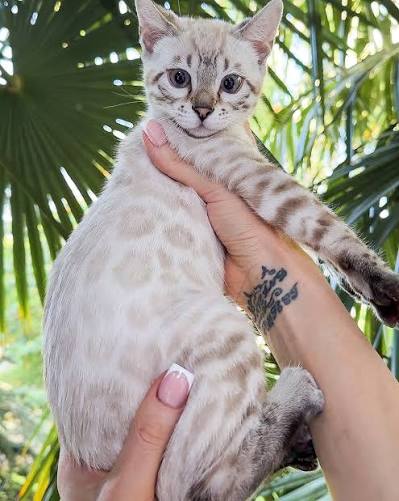
Bringing home a white Bengal kitten is an exciting experience, but providing the right care from the beginning is essential for raising a healthy and well-adjusted cat. Bengal kittens are naturally active, intelligent, and curious, so they benefit from a combination of proper nutrition, regular veterinary care, daily exercise, and a stimulating home environment.
While their care needs are not difficult, they do require more interaction and enrichment than many less active cat breeds.
Feeding a White Bengal Kitten
Nutrition plays a major role in your kitten’s growth, energy levels, and long-term health. During the first year of life, Bengal kittens grow rapidly and need a balanced diet formulated specifically for kittens.
A high-quality kitten food should provide:
- Animal-based protein as the primary ingredient
- Healthy fats for energy and brain development
- Essential vitamins and minerals
- Taurine for heart and eye health
- Omega-3 and Omega-6 fatty acids for healthy skin and coat
Many owners choose premium commercial kitten food, while others work with their veterinarian to safely include fresh or raw foods. Regardless of the feeding method, the diet should be complete and nutritionally balanced.
Feeding Schedule
Young kittens have small stomachs and benefit from several smaller meals throughout the day.
A general guide is:
- 8–12 weeks: 4 meals daily
- 3–6 months: 3 meals daily
- 6–12 months: 2–3 meals daily
- Adults: 2 meals daily
Always follow your veterinarian’s recommendations and adjust portions according to your kitten’s age, activity level, and body condition.
Fresh Water Is Essential
Hydration is just as important as nutrition.
Provide clean, fresh water every day. Some Bengal cats prefer moving water, so a pet fountain may encourage them to drink more frequently.
Proper hydration supports:
- Kidney function
- Digestion
- Healthy skin
- Overall well-being
Grooming Requirements
One advantage of owning a Bengal is that grooming is relatively simple.
Their short, fine coat naturally sheds less than many long-haired breeds and usually stays clean with minimal effort.
Weekly brushing helps:
- Remove loose hair
- Distribute natural skin oils
- Reduce shedding
- Keep the coat glossy
Many Bengals enjoy grooming sessions when introduced gently from an early age.
Nail Care
Indoor Bengal kittens should have their nails trimmed regularly.
Checking their claws every two to three weeks helps prevent overgrowth and reduces accidental scratching during play.
Providing sturdy scratching posts also allows kittens to naturally maintain healthy claws while protecting household furniture.
Dental Health
Dental care often gets overlooked during kittenhood, but healthy habits established early can help prevent future problems.
Good dental care may include:
- Brushing with cat-safe toothpaste
- Dental treats recommended by your veterinarian
- Regular oral examinations
Healthy teeth contribute to better overall health throughout your cat’s life.
Litter Box Training
Most Bengal kittens learn litter box habits quickly when given a clean and comfortable setup.
For the best results:
- Choose a quiet location.
- Scoop waste daily.
- Wash the box regularly.
- Use a litter your kitten is comfortable with.
- Provide multiple litter boxes if you have several cats.
A common recommendation is one litter box per cat, plus one extra.
Creating an Enriching Environment
Because Bengals are naturally curious, a stimulating home is essential.
Instead of simply providing toys, think about creating an environment that allows your kitten to climb, observe, explore, and play throughout the day.
Helpful additions include:
Cat Trees
Tall cat trees satisfy your kitten’s instinct to climb and provide elevated resting places.
Window Perches
Watching birds, squirrels, and outdoor activity offers valuable mental stimulation even while indoors.
Scratching Posts
Different textures and heights encourage healthy scratching behavior.
Tunnels and Hideouts
Tunnels provide opportunities for chasing, hiding, and interactive games.
Puzzle Feeders
Food puzzles encourage problem-solving and slow down fast eaters while providing mental exercise.
Daily Exercise
Exercise is one of the most important aspects of Bengal care.
Without enough physical activity, even well-behaved kittens can become bored and develop unwanted habits.
Aim for at least 30 to 60 minutes of interactive play each day, divided into several shorter sessions.
Activities your Bengal may enjoy include:
- Chasing feather wands
- Fetching lightweight toys
- Jumping after teaser toys
- Climbing obstacle courses
- Learning simple tricks
Regular exercise supports healthy muscles, weight management, and emotional well-being.
Veterinary Care
Routine veterinary visits help detect health concerns before they become serious.
Your veterinarian will recommend:
- Vaccinations
- Parasite prevention
- Growth monitoring
- Health examinations
- Microchipping if appropriate
- Spaying or neutering at the recommended age
Keeping veterinary appointments current is one of the best ways to support a long, healthy life.
Socialization
The experiences a kitten has during its first months greatly influence its confidence as an adult.
Positive exposure to:
- Different people
- Household sounds
- Gentle handling
- New environments
- Routine grooming
helps build a calm and adaptable companion.
Never force interactions. Allow your kitten to explore new experiences at its own pace while offering positive reinforcement.
Indoor or Outdoor?
Most breeders and veterinarians recommend keeping Bengal cats indoors or providing secure outdoor access through a catio or supervised harness walks.
This helps protect them from:
- Traffic
- Infectious diseases
- Parasites
- Predators
- Theft
- Getting lost
Outdoor enrichment can still be safely provided through enclosed spaces designed specifically for cats.
Common Mistakes New Owners Make
Understanding a Bengal’s needs can help prevent common problems.
Some of the most frequent mistakes include:
- Assuming all cats need the same amount of activity
- Providing too few climbing opportunities
- Leaving the kitten alone for long periods without enrichment
- Using punishment instead of positive reinforcement
- Feeding an unbalanced diet
- Skipping routine veterinary care
Most behavioral issues are easier to prevent than correct later.
Signs Your White Bengal Kitten Is Thriving
A healthy, well-cared-for Bengal kitten will typically show signs such as:
- Bright, clear eyes
- A soft, glossy coat
- Steady growth
- Healthy appetite
- Regular playfulness
- Curiosity about its surroundings
- Comfortable interaction with family members
- Consistent litter box habits
Monitoring these signs helps you notice changes early and seek veterinary advice if needed.
Building a Happy Life Together
Caring for a white Bengal kitten goes beyond providing food and shelter. These intelligent cats thrive when they are treated as active members of the family. Daily interaction, enriching activities, regular health care, and a safe environment all contribute to raising a confident, healthy, and affectionate companion.
With the right care and attention, your white Bengal kitten can grow into an athletic, loving adult cat that brings years of companionship, entertainment, and unforgettable memories.
White Bengal Kitten Health, Lifespan, and Choosing a Healthy Kitten
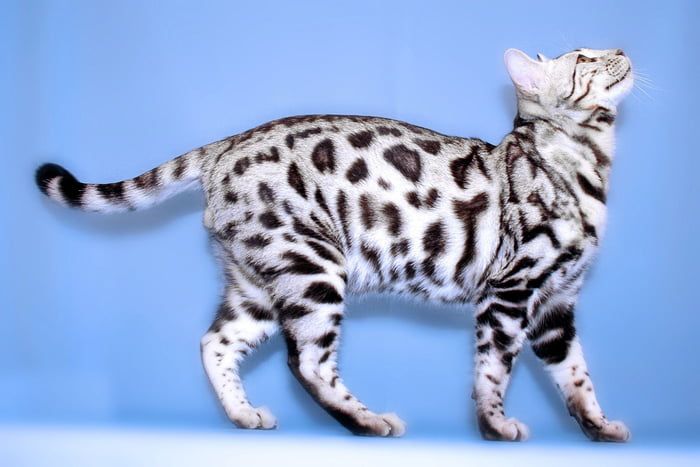
One of the most important parts of owning a white Bengal kitten is understanding its long-term health. While Bengals are generally strong and athletic cats, responsible ownership begins long before bringing a kitten home. Choosing a healthy kitten from an ethical breeder and maintaining regular veterinary care can significantly improve your cat’s quality of life.
A healthy Bengal is more likely to enjoy an active lifestyle, adapt well to family life, and remain a loyal companion for many years.
How Long Do White Bengal Cats Live?
With proper care, most Bengal cats live between 12 and 16 years, although many reach 18 years or older.
Several factors influence lifespan, including:
- Genetics
- Diet and nutrition
- Exercise
- Indoor living
- Preventive veterinary care
- Maintaining a healthy weight
Cats raised in safe indoor environments generally face fewer risks than those allowed to roam freely outdoors.
Routine Veterinary Care
Preventive care is one of the best investments you can make in your kitten’s future.
Your veterinarian will recommend a schedule based on your kitten’s age and health history, which may include:
- Wellness examinations
- Vaccinations
- Parasite prevention
- Dental evaluations
- Weight monitoring
- Blood tests for older cats
Regular checkups help identify small health concerns before they become more serious.
Common Health Conditions in Bengal Cats
Most Bengal kittens grow into healthy adults, especially when they come from carefully planned breeding programs. However, like many pedigreed breeds, Bengals can have a higher risk of certain inherited or breed-associated conditions.
Being aware of these conditions does not mean your kitten will develop them. Instead, it highlights the importance of responsible breeding and preventive care.
Hypertrophic Cardiomyopathy (HCM)
One of the best-known health concerns in Bengal cats is Hypertrophic Cardiomyopathy (HCM).
HCM is a heart disease that causes the walls of the heart muscle to thicken, making it more difficult for the heart to pump blood efficiently.
Responsible breeders often screen breeding cats for signs of HCM through regular veterinary cardiac evaluations.
Although screening cannot guarantee that future generations will never develop the condition, it helps reduce risk within breeding programs.
Progressive Retinal Atrophy (PRA-b)
Progressive Retinal Atrophy, often shortened to PRA-b, is an inherited eye disease that can affect vision over time.
Many responsible Bengal breeders perform DNA testing before breeding to avoid producing affected kittens.
When purchasing a kitten, asking whether the parents have been genetically tested is an excellent question.
Pyruvate Kinase Deficiency (PK-def)
Another inherited condition occasionally found in Bengals is Pyruvate Kinase Deficiency (PK-def).
This disorder affects red blood cells and can lead to anemia in affected cats.
Fortunately, reliable DNA testing allows breeders to identify carriers and make responsible breeding decisions.
Digestive Sensitivity
Some Bengal cats have more sensitive digestive systems than other breeds.
Signs may include:
- Occasional stomach upset
- Loose stools
- Difficulty adjusting to sudden food changes
Introducing new foods gradually and feeding a consistent, balanced diet can often help reduce digestive issues.
If digestive problems continue, consult your veterinarian rather than changing diets repeatedly without guidance.
Coat and Skin Health
A healthy Bengal coat should be:
- Soft
- Smooth
- Glossy
- Clean
- Free from bald patches
Changes in coat quality can sometimes indicate underlying health problems, nutritional deficiencies, allergies, or parasites.
Routine grooming provides an opportunity to check for:
- Fleas
- Ticks
- Skin irritation
- Lumps
- Scratches
Early detection often makes treatment easier.
Maintaining a Healthy Weight
Because Bengals are naturally muscular, owners sometimes mistake excess weight for a solid body condition.
Regular exercise combined with appropriate food portions helps maintain healthy muscle without unnecessary weight gain.
Your veterinarian can help determine whether your kitten is maintaining an ideal body condition as it grows.
Why Responsible Breeding Matters
The breeder you choose has a lasting impact on your kitten’s health and temperament.
Ethical breeders focus on improving the breed rather than simply producing kittens.
They typically:
- Perform recommended genetic testing.
- Provide routine veterinary care.
- Raise kittens in clean environments.
- Prioritize socialization.
- Carefully select breeding pairs.
- Keep detailed health records.
Responsible breeding benefits both individual kittens and the future of the breed.
Questions to Ask a Breeder
Before reserving a white Bengal kitten, don’t hesitate to ask questions.
Helpful topics include:
- Have the parents received genetic health testing?
- Has the kitten been examined by a veterinarian?
- Which vaccinations has the kitten received?
- What food is the kitten currently eating?
- Has the kitten been socialized with people?
- Is there a written health guarantee?
- Is registration available if applicable?
A reputable breeder should answer these questions openly and honestly.
Signs of a Healthy White Bengal Kitten
When visiting a litter, look for kittens that appear:
- Bright and alert
- Curious about their surroundings
- Comfortable around people
- Clean and well groomed
- Free from eye or nose discharge
- Energetic without appearing overly hyperactive
- Comfortable walking and playing
A healthy kitten should show interest in toys, movement, and interaction appropriate for its age.
Red Flags to Watch For
While most breeders genuinely care about their kittens, it’s important to recognize warning signs.
Proceed carefully if you notice:
- Poor living conditions
- Dirty litter boxes
- Sick-looking animals
- No veterinary records
- Refusal to answer health questions
- Pressure to purchase immediately
- Extremely low prices without explanation
Taking time to research before making a decision often leads to a healthier and happier companion.
Preparing for Your Kitten’s First Veterinary Visit
After bringing your white Bengal kitten home, schedule a veterinary appointment within the first few days.
During this visit, your veterinarian may:
- Review vaccination records.
- Perform a complete physical examination.
- Discuss parasite prevention.
- Evaluate growth and body condition.
- Answer nutrition questions.
- Create a future vaccination schedule.
This first appointment establishes a healthcare plan tailored to your kitten’s individual needs.
Building a Lifetime of Good Health
Good health isn’t determined by genetics alone. Daily care, proper nutrition, regular exercise, preventive veterinary medicine, and a safe indoor environment all contribute to helping your Bengal live a long and active life.
By choosing a kitten from a responsible breeder and continuing that standard of care at home, you greatly increase the chances of raising a confident, healthy companion that remains an important member of your family for many years.
White Bengal Kitten Price, Buying Guide, and How to Find a Healthy Kitten
“White” Bengal kittens—officially known as Snow Bengals—are prized for their pale, cream-colored coats paired with icy blue or aqua eyes and high-contrast rosettes.
Price Breakdown
The cost of a Snow Bengal kitten varies based on coat contrast, pedigree, and whether they are sold as pets or with breeding rights.
| Category | Price Range (USD) | What Influences the Cost |
| Pet Quality | $1,500 – $3,000 | TICA/CFA registration, already spayed/neutered, basic microchip, and first vaccine rounds. |
| Show Quality | $3,000 – $4,500 | Exceptional rosette symmetry, high contrast, top-tier lineage, and breed standard traits. |
| Breeding Rights | $4,000 – $6,500+ | Full breeding rights for registered catteries; requires genetic screening verification. |
How to Find a Healthy Kitten & Avoid Scams
Finding a healthy kitten requires screening reputable breeders carefully:
- Verify TICA or CFA Registration: Responsible breeders register their cattery with official organizations like The International Cat Association (TICA) or Cat Fanciers’ Association (CFA).
- Demand Health Screenings: Ask for written proof of genetic testing for the parents, specifically for HCM (Hypertrophic Cardiomyopathy heart disease), PRA-b (progressive retinal atrophy causing blindness), and PK-Def (erythrocyte pyruvate kinase deficiency).
- Inspect the Cattery Environment: Visit in person or request a live video call. Kittens should have bright, clear eyes, clean ears, no nasal discharge, and a playful, curious demeanor.
- Red Flags to Avoid: Prices far below market rate (e.g., $500), requests for wire transfers or non-refundable cash apps before seeing the kitten, or breeders offering to ship kittens before 12–14 weeks of age.
Choosing a Responsible Breeder
Choosing a responsible breeder ensures your kitten is healthy, well-socialized, and free from preventable genetic diseases. Ethical breeders prioritize animal welfare over profit, raise kittens in clean home environments, and screen breeding stock for hereditary health conditions.
Key Traits of a Responsible Breeder
- Health Testing & Guarantees: Conducts genetic screening on parent cats for breed-specific conditions (such as HCM for Bengals or Maine Coons) and provides a written health contract with a multi-year genetic guarantee.
- TICA or CFA Registration: Registers their cattery and litters with recognized official feline organizations (like The International Cat Association or Cat Fanciers’ Association).
- Proper Age at Release: Never allows kittens to go to new homes before 12 to 14 weeks of age. Kittens need this vital time for immune development and behavioral socialization from their mother and littermates.
- Included Veterinary Care: Delivers kittens already vaccinated, dewormed, microchipped, and often spayed/neutered by a licensed veterinarian.
- Lifetime Return Policy: Requires in the contract that the kitten must be returned to the breeder if you are ever unable to keep them, guaranteeing the cat will never end up in a shelter.
Questions to Ask Before Buying
Before placing a deposit, consider asking:
- How old is the kitten?
- Has it been examined by a veterinarian?
- What vaccinations has it received?
- Has it been dewormed?
- What food is it currently eating?
- Have the parents been genetically tested?
- Is there a written contract or health guarantee?
- When can the kitten safely leave for its new home?
A reputable breeder should be happy to discuss these topics.
Bringing Your Kitten Home
Bringing a new kitten home is an exciting milestone, but the transition can be overwhelming for a small animal entering a foreign environment. Proper preparation and a gentle setup help your kitten feel safe, comfortable, and confident in their new surroundings.
Phase 1: Pre-Arrival Preparation & Safe Room Setup
Before bringing your kitten home, prepare a designated Safe Room (a small, quiet space like a spare bedroom or bathroom). Restricting their initial environment prevents them from feeling overwhelmed by a large house.
- Essential Supplies Checklist:
- Litter Box: Low-sided box with non-clumping litter (safer if ingested by young kittens). Place it away from food and water.
- Food & Water Dishes: Stainless steel or ceramic bowls positioned far from the litter box.
- Cozy Bedding: Soft blankets or a cat bed placed in a quiet corner.
- Safe Scratching Post: Sisal or cardboard scratcher placed near their resting area.
- Safe Toys: Wand toys, crinkle balls, or soft mice (avoid toys with loose string, feathers, or small plastic parts).
- Cat-Proofing the Room: Secure electrical cords, tie up blind cords, close toilet lids, and remove toxic plants or small objects that could be swallowed.
Phase 2: Day One Arrival Protocol
- Calm Transport: Keep the kitten inside a secure pet carrier during the car ride home. Cover the carrier with a light towel to reduce visual stress.
- The Safe Room Release: Bring the carrier directly into the Safe Room. Open the carrier door and allow the kitten to step out on their own timeline—never force or pull them out.
- Show the Essentials: Gently place the kitten in the litter box once so they know where it is located, then step back and let them explore at their own pace.
- Keep Noise Low: Limit visitor access during the first 24 to 48 hours. Keep television volume low and avoid loud household appliances nearby.
Phase 3: The First Week Transition
| Timeline | Recommended Action |
| Days 1–2 | Keep the kitten in their Safe Room. Spend time sitting quietly on the floor talking softly, offering treats, and letting them initiate contact. |
| Days 3–5 | Once the kitten is eating normally, using the litter box consistently, and seeking affection, allow supervised exploration of adjacent rooms. |
| Days 5–7 | Schedule a routine wellness check with your veterinarian to review vaccines, deworming, and set up a health schedule. |
| Week 2+ | Gradually introduce other household pets using controlled, scent-first introduction methods. |
Is a White Bengal Kitten Worth the Investment?
For many owners, the answer is yes.
A white Bengal kitten offers much more than a beautiful appearance. Their intelligence, playful personality, loyalty, and strong bond with their family make them rewarding companions for people who can meet their physical and mental needs.
Choosing a healthy kitten from a responsible breeder and preparing for the responsibilities of ownership lays the foundation for many years of companionship. By focusing on long-term care rather than price alone, you’ll be far more likely to enjoy life with a confident, healthy, and affectionate Bengal cat.
Common Myths About White Bengal Kittens
White Bengal kittens are admired for their striking appearance, but their unique looks have also led to several misconceptions. Understanding the facts behind these myths can help prospective owners make informed decisions and provide better care for their cats.
Myth 1: White Bengal Kittens Are Wild Cats
Fact: White Bengal kittens are fully domestic cats.
Although the Bengal breed originated from crosses between domestic cats and the Asian leopard cat many generations ago, modern Bengal kittens are bred as companion animals. Responsible breeders focus on health, temperament, and socialization, resulting in cats that adapt well to family life.
While Bengals retain their athletic build and natural curiosity, they do not require the specialized care or housing that true wild cats need.
Myth 2: All White Bengal Kittens Have Blue Eyes
Fact: Eye color depends on genetics.
Many people associate white Bengal kittens with brilliant blue eyes, but not every kitten develops the same eye color.
Depending on the specific Snow Bengal variety, eye colors may include:
- Blue
- Aqua
- Green
- Gold
- Hazel
For example, Seal Lynx Point Bengals usually have blue eyes, while Seal Mink and Seal Sepia Bengals often develop aqua, green, or golden eyes.
Myth 3: White Bengals Stay Pure White Forever
Fact: Most kittens change as they mature.
A young white Bengal kitten often looks much lighter than it will as an adult. During the first year or two of life, the coat usually develops greater contrast, making the spots, rosettes, or marbled pattern more visible.
This gradual color development is completely normal and is one of the unique characteristics of the breed.
Myth 4: White Bengals Need Constant Grooming
Fact: Their coat is surprisingly easy to maintain.
Despite their luxurious appearance, Bengal cats have a short, fine coat that requires relatively little grooming.
In most cases, brushing once a week is enough to:
- Remove loose hair
- Reduce shedding
- Keep the coat shiny
- Strengthen the bond between owner and cat
Unlike many long-haired breeds, Bengals rarely develop mats or tangles.
Myth 5: Bengal Cats Are Aggressive
Fact: Properly raised Bengals are friendly and social.
Some people mistakenly believe that Bengals are aggressive because of their wild appearance.
In reality, a well-socialized Bengal kitten is usually:
- Curious
- Confident
- Playful
- Intelligent
- Affectionate
Like any breed, temperament depends on genetics, early socialization, and the environment in which the kitten is raised.
Myth 6: White Bengals Are Hypoallergenic
Fact: No cat breed is completely hypoallergenic.
Some owners report fewer allergy symptoms around Bengals, but there is no guarantee that a Bengal will not trigger allergies.
People with cat allergies should spend time around the breed before making a long-term commitment.
Myth 7: Bengals Cannot Live With Other Pets
Fact: Many Bengals adapt very well to multi-pet households.
When introduced gradually and socialized from a young age, white Bengal kittens often get along well with:
- Other cats
- Cat-friendly dogs
- Respectful children
Positive introductions and supervised interactions are the keys to successful relationships.
Myth 8: White Bengal Kittens Are Difficult to Train
Fact: Bengals are among the easiest cat breeds to train.
Their intelligence allows many Bengals to learn:
- Their name
- Simple commands
- Fetch
- Target training
- Puzzle solving
- Harness walking
Positive reinforcement using treats, toys, and praise usually produces the best results.
Myth 9: Bengals Don’t Like Human Companionship
Fact: Most Bengals enjoy being involved in family life.
While they may not always be lap cats, many Bengals enjoy following their owners from room to room, greeting visitors, and participating in everyday activities.
They often build strong relationships with their families and appreciate interactive play, conversation, and companionship.
Myth 10: A White Bengal Is Just a White Domestic Cat
Fact: Their genetics make them unique.
The beautiful appearance of a white Bengal comes from carefully inherited Snow Bengal genetics combined with the breed’s distinctive body structure, coat pattern, and athletic build.
Their spotted or marbled coat, muscular body, expressive eyes, and energetic personality clearly distinguish them from ordinary domestic cats with white coats.
White Bengal Kitten for Sale: What to Look For
Buying a “White” Bengal kitten—officially known as a Snow Bengal (Seal Lynx, Seal Mink, or Seal Sepia)—requires diligence. Because Bengals are an exotic hybrid breed with high energy and specific genetic health considerations, knowing what to evaluate ensures you purchase a healthy, well-socialized, and legitimately registered kitten.
Step 1: Physical Health Checklist
Inspect the kitten in person or via live video for these physical health indicators:
| Body Area | What to Look For | Red Flags |
| Coat & Contrast | Clean, soft fur showing visible spots or rosettes. (Note: Snow kittens are born very pale; markings darken over time.) | Fleas, bald patches, dander, or dirty fur. |
| Eyes & Nose | Clear, bright blue, aqua, or green eyes; clean nostrils with quiet, clear breathing. | Eye discharge, cloudiness, sneezing, or noisy/labored breathing. |
| Body Build | Muscular, active, and lean with a rounded (but not bloated) tummy. | Potbelly (worms/parasites), bony spine/ribs, or lethargy. |
| Rear End | Clean, dry fur around the base of the tail. | Staining, redness, or signs of loose stool/diarrhea. |
Step 2: Behavior & Socialization
Bengals are naturally energetic, curious, and vocal. Avoid kittens that show extreme fear or aggression:
- Confidence: A healthy kitten should actively explore their environment and display curiosity toward new objects or people.
- Play Motivation: They should engage readily with wand toys, balls, or littermates.
- Handling Acceptance: The kitten should tolerate being picked up, held, and having its paws touched without extreme distress or frantic scratching.
Step 3: Breeder Verification & Health Testing
To avoid scam listings or back-yard breeders, verify these essential credentials before placing a deposit:
- TICA or CFA Registration: Ethical breeders register their cattery and litters with TICA (The International Cat Association) or CFA (Cat Fanciers’ Association). Request official registration papers.
- Genetic Health Screenings: Ensure the breeder provides written health guarantees and proof that parent cats were screened for:
- HCM (Hypertrophic Cardiomyopathy): A fatal heart condition (parents should have recent clear echocardiograms).
- PRA-b (Progressive Retinal Atrophy): Genetic blindness screening.
- PK-Def (Pyruvate Kinase Deficiency): An inherited hemolytic anemia.
- Minimum Age at Release: Reputable breeders never let kittens leave before 12 to 16 weeks of age, fully vaccinated, dewormed, and microchipped.
Expected Price Range
- Pet-Quality Snow Bengal: $1,500 – $3,000 (varies based on contrast, pattern clarity, and region).
- Breeding / Show Quality: $3,000 – $5,000+.
Frequently Asked Questions About Bengal Kittens
Are Bengal kittens good pets?
Bengal kittens can make excellent pets for owners who appreciate an active, intelligent, and playful cat. They generally need more enrichment and interaction than a very low-energy companion cat.
Are Bengal kittens aggressive?
A Bengal kitten is not inherently aggressive. Behavior depends on genetics, socialization, environment, handling, and individual temperament. Proper socialization and positive interaction are important.
Do Bengal kittens need a lot of attention?
Many Bengals enjoy considerable interaction and stimulation. Owners should be prepared to provide regular play, exercise, enrichment, and companionship.
Are Bengal kittens easy to train?
Bengals are intelligent and can learn household routines and behaviors through positive reinforcement. Consistency and patience are important.
What do Bengal kittens eat?
Bengal kittens should receive a complete and balanced diet formulated for growing kittens. Fresh water should always be available.
Do Bengal kittens shed?
Yes. Bengals have coats and shed like other cats, although their short coats can make grooming relatively straightforward.
How often should I groom a Bengal kitten?
Regular brushing can help remove loose hair and maintain the coat. Start with short, gentle grooming sessions while the kitten is young.
Can Bengal kittens live indoors?
Yes. Bengal kittens can live indoors when provided with adequate exercise, climbing opportunities, interactive play, scratching areas, and mental stimulation.
What should I look for in a Bengal kitten breeder?
Look for transparency about health, parentage, veterinary care, socialization, feeding, kitten age, and available documentation. A responsible breeder should welcome reasonable questions.
Conclusion:
A Bengal kitten can be a beautiful, intelligent, and highly engaging companion. Its distinctive coat and athletic appearance make the breed especially appealing, while its active personality means that owners need to provide plenty of exercise, enrichment, interaction, and appropriate care.
If you are considering Bengal kittens for sale, take time to research the breed and evaluate the breeder carefully. Look at health information, socialization, temperament, nutrition, parentage, and the kitten’s overall living conditions rather than focusing only on color, pattern, or price.
At Kittyverse Store, we aim to provide helpful Bengal kitten information so prospective owners can better understand the breed and prepare for responsible, long-term cat ownership.