
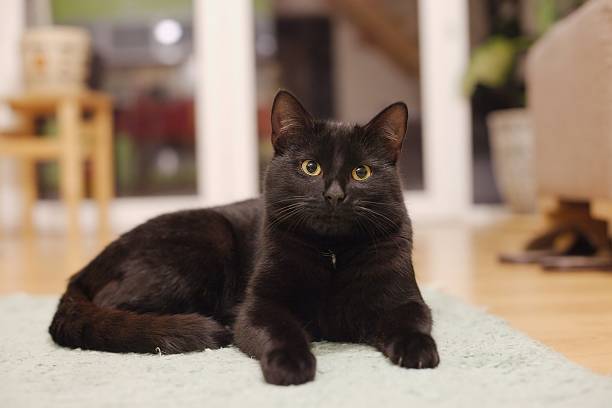
Bombay Kitten – cat Origin and History
The bombay kitten – cat is a unique domestic cat breed admired for its sleek jet-black coat, glowing copper eyes, and striking resemblance to a miniature black panther. Despite its name, the Bombay cat breed did not originate in India. Instead, it was carefully developed in the United States, specifically in Louisville, Kentucky, during the 1950s. Buy bombay kitten online.
The breed was created by American breeder Nikki Horner, whose goal was to produce a domestic cat that captured the elegant appearance of a wild black panther while maintaining the affectionate, gentle temperament of a family companion. Her vision was to combine exotic beauty with a loving personality, creating a cat that was both visually stunning and easy to live with.
To develop the breed, Horner selectively crossed Burmese cats, prized for their muscular bodies and affectionate nature, with American Shorthair cats carrying the dominant black coat gene. Through careful breeding over several generations, she successfully established a cat with a glossy black coat, expressive copper-to-gold eyes, a muscular build, and an intelligent, people-oriented personality.
The Bombay Cat gained official recognition from the Cat Fanciers’ Association (CFA) in 1976, marking an important milestone in the breed’s history. Since then, it has become increasingly popular among cat enthusiasts who appreciate its combination of elegance, intelligence, and affectionate temperament.
Often nicknamed the “Mini Panther” or “Lap Panther,” the Bombay Cat offers the exotic appearance of a wild feline while displaying the friendly, social behavior of a devoted house cat. These cats are known for forming strong bonds with their families, making them excellent companions for individuals, couples, and households with children.
Today, Bombay kittens and adult Bombay Cats continue to be treasured around the world for their distinctive appearance, playful personality, and adaptable nature. Their rich history, striking looks, and loving disposition have firmly established the Bombay cat breed as one of the most recognizable and sought-after short-haired cats. Buy bombay kitten online
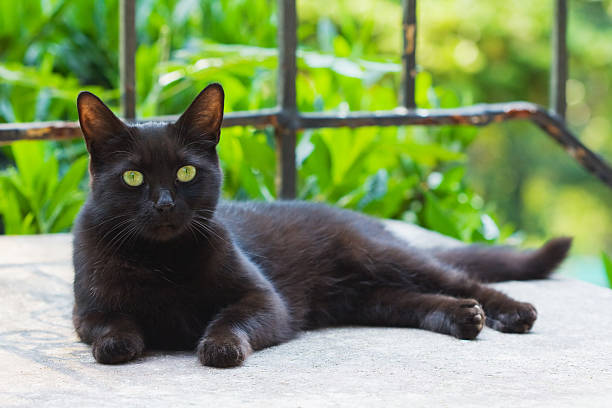
Positive Traits of the Bombay Cat
| Trait | Description |
| Affectionate and Loving | Bombay Cats are deeply attached to their owners and crave physical closeness, often curling up on laps or shoulders. |
| Highly Intelligent | They are quick learners and can understand commands, routines, and even door mechanisms, showing advanced problem-solving abilities. |
| Playful and Energetic | Despite their panther-like grace, they have a kittenish energy throughout life and enjoy chasing toys or playing fetch. |
| Adaptable | Bombay Cats adjust well to different living conditions — from quiet apartments to busy households. |
| Social and Outgoing | They enjoy being the center of attention and interact confidently with visitors and other pets. |
| Loyal Companions | Once bonded, Bombays form lifelong attachments, often following their owners from room to room. |
| Low Maintenance Coat | Their short, satin-like black fur requires minimal grooming while always appearing polished and shiny. |
| Excellent Emotional Intelligence | Bombays are known for sensing their owners’ emotions and offering comfort during stressful times. |
Negative Traits of the Bombay Cat
| Trait | Description |
| Attention-Seeking Nature | Bombay Cats crave constant companionship. If left alone for long periods, they may become vocal or anxious. |
| Possessiveness | They can be overly attached to one person, showing jealousy toward other pets or family members. |
| High Energy Needs | Their active minds and bodies require daily stimulation; otherwise, boredom can lead to mischievous behaviors. |
| Vocalization | While not as loud as Siamese cats, Bombays are chatty and use soft but frequent meows to communicate. |
| Dislike of Isolation | These cats prefer company and may show signs of distress when ignored or left without interaction. |
| Stubbornness | Their intelligence comes with independence; they sometimes insist on doing things their own way. |
| Sensitivity to Routine Changes | They are creatures of habit and can become stressed by sudden environmental or schedule changes. |
| Demand for Attention | Their loving nature can sometimes feel clingy to owners seeking a more independent cat. |
While these traits can present challenges, they also highlight the breed’s emotional depth and intelligence. With proper engagement, play, and affection, Bombay Cats flourish as deeply loyal and entertaining companions.
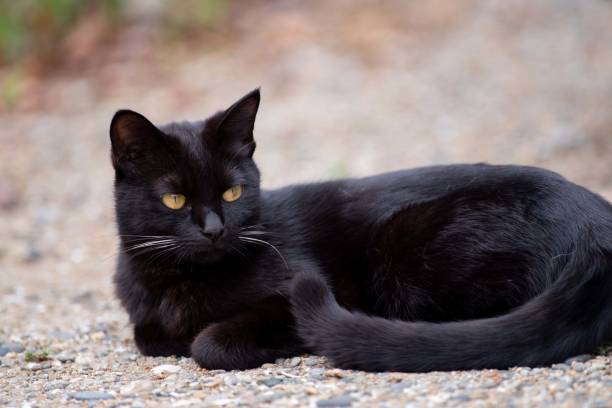
Bombay Cat Physical Characteristics
The Bombay Cat is one of the most distinctive and elegant domestic cat breeds, admired for its sleek jet-black coat, glowing copper or gold eyes, and graceful panther-like appearance. Bred to resemble a miniature black panther, the Bombay cat breed combines striking beauty with a loving personality, making it a favorite among cat enthusiasts worldwide.
Coat and Color
The most recognizable feature of the Bombay Cat is its short, smooth, and glossy black coat. Every hair is solid black from root to tip, creating a luxurious, patent-leather shine that is rare among domestic cats. Even the nose leather, paw pads, and whiskers are typically black, giving the breed its signature all-black appearance.
The coat is soft, close-fitting, and relatively easy to maintain, making the Bombay an excellent choice for owners seeking a low-maintenance companion.
Body Structure
The Bombay Cat has a medium-sized, muscular body with a strong yet elegant build. Although compact in appearance, these cats are surprisingly solid and athletic.
They have a rounded head, full cheeks, a short muzzle, and a broad chest. Their smooth, confident movements closely resemble those of a miniature panther, adding to their unique appeal.
Eye Color
One of the breed’s most captivating features is its large, round, expressive eyes. Most Bombay Cats have brilliant copper or rich golden eyes that contrast beautifully against their jet-black coat. Their bright gaze gives them an alert, intelligent, and friendly expression.
Ears and Tail
Bombay Cats have medium-sized ears with gently rounded tips that tilt slightly forward, giving them a naturally curious look. Their tail is medium in length, straight, and well-proportioned to the body, contributing to the breed’s graceful and balanced appearance.
Average Size
Adult Bombay Cats generally reach the following size:
- Male Bombay Cats: 4.5–6.5 kg (10–14 lbs)
- Female Bombay Cats: 3.5–5 kg (8–11 lbs)
Most Bombay kittens reach full physical maturity between 18 months and 2 years of age.
Overall Appearance
The Bombay Cat perfectly combines elegance, strength, and charm. With its glossy black coat, muscular body, and glowing copper eyes, it closely resembles a small black panther while maintaining the affectionate personality of a domestic cat. This unique combination has earned the breed popular nicknames such as “Mini Panther” and “Lap Panther.”
Bombay Cat Personality and Behavior
The Bombay Cat is famous not only for its striking appearance but also for its affectionate, intelligent, and highly social personality. This breed forms strong emotional bonds with its family and enjoys being involved in everyday household activities.
Loving and Family-Oriented
Bombay Cats thrive on human companionship and love spending time with their owners. They often follow family members from room to room, greet them at the door, and happily curl up on a lap whenever possible. Because of this affectionate nature, they are often called “Velcro cats.”
These cats do not enjoy being left alone for long periods and are happiest in homes where they receive plenty of attention and interaction.
Intelligent and Curious
The Bombay Cat is highly intelligent and enjoys exploring its surroundings. It quickly learns routines, recognizes familiar faces, and often responds when called by name.
Interactive toys, puzzle feeders, and training sessions help keep this clever breed mentally stimulated and prevent boredom.
Playful Throughout Adulthood
Unlike some cat breeds that become less active with age, the Bombay Cat remains playful throughout its life. Favorite activities include:
- Chasing feather wands
- Playing with balls and toy mice
- Solving puzzle toys
- Climbing cat trees
- Playing interactive games with family members
Daily play sessions provide important physical exercise and mental enrichment.
Loyal and Dog-Like Behavior
One of the most unique qualities of the Bombay Cat is its dog-like loyalty. Many Bombays develop exceptionally close relationships with their owners, come when called, and may even learn to retrieve small toys.
Their desire for companionship and interaction makes them ideal pets for people looking for an affectionate and engaging feline companion.
Gentle and Emotionally Aware
Although confident and outgoing, Bombay Cats are also emotionally sensitive. They respond best to positive reinforcement, gentle handling, and praise rather than punishment.
Many owners find that their Bombay naturally senses changes in mood and offers comfort by staying close during stressful or emotional moments.
Compatibility with Other Pets
The Bombay Cat usually adapts well to households with other cats and cat-friendly dogs when introductions are handled gradually. They are social and friendly but also confident enough to enjoy being the center of attention.
Their calm temperament, affectionate personality, and adaptability make them excellent companions for families, singles, seniors, and first-time cat owners.
Common Health Problems in Bombay Cats
The Bombay Cat is generally a healthy and long-lived breed, with an average lifespan of 12 to 16 years or more when properly cared for. However, like all purebred cats, Bombays may inherit certain genetic conditions from their Burmese and American Shorthair ancestors.
Routine veterinary checkups, a balanced diet, regular exercise, and responsible breeding practices all play an important role in maintaining your Bombay Cat’s health.
Some health conditions that may affect the breed include:
- Hypertrophic Cardiomyopathy (HCM): A hereditary heart disease that causes thickening of the heart muscle and may reduce heart function.
- Respiratory Issues: Some Bombay Cats inherit slightly shortened facial features, which can occasionally contribute to mild breathing problems.
- Obesity: Their affectionate indoor lifestyle can increase the risk of weight gain if they do not receive enough exercise or portion-controlled meals.
- Dental Disease: Like many cats, Bombays benefit from regular dental care to help prevent plaque buildup and gum disease.
- Eye Irritation: Mild tearing or watery eyes may occasionally occur and should be monitored for signs of infection.
Choosing a Bombay kitten from a reputable breeder who performs health testing and scheduling regular veterinary examinations can help reduce the risk of inherited health problems and support a long, healthy life.
| Disease | Description | Risk Level |
| Hypertrophic Cardiomyopathy (HCM) | A thickening of the heart muscle that can affect cardiac function. Periodic heart scans are recommended, especially in breeding cats. | Medium |
| Respiratory Sensitivity | Due to their short muzzle (Burmese lineage), some Bombays may experience mild breathing difficulties in hot or humid weather. | Low–Medium |
| Gingivitis and Dental Disease | Like many cats, Bombays are prone to plaque buildup, leading to gum inflammation and tooth decay if oral hygiene is neglected. | Medium |
| Obesity | Their love of food and relatively calm nature can cause weight gain without proper diet and activity. | High |
| Craniofacial Defects | Rare but possible when two Burmese-type cats are bred together; responsible breeding prevents this. | Low |
| Sinus Congestion | Mild nasal discharge may occur occasionally due to their short face, but it is typically not serious. | Low |
| Arthritis (Senior Cats) | Common in older cats; maintaining a healthy weight and joint supplements can reduce discomfort. | Medium |
| Diabetes Mellitus | Can develop in overweight or sedentary cats; prevention involves portion control and balanced nutrition. | Low–Medium |
In general, the Bombay’s genetic diversity from the American Shorthair gives it a strong immune system and long lifespan. With proper nutrition, preventive care, and a stress-free environment, these cats typically remain healthy, active, and radiant throughout their lives.
Bombay Cat Intelligence and Learning Ability
The Bombay Cat is widely recognized as one of the most intelligent and trainable domestic cat breeds. In addition to its striking appearance, the Bombay cat breed is admired for its quick learning ability, strong memory, and deep emotional connection with its family.
Highly Intelligent and Quick to Learn
Bombay Cats are naturally curious and enjoy exploring their surroundings. They quickly learn daily routines, recognize familiar voices, and often anticipate feeding times or play sessions. Many owners notice that their Bombay Cat easily remembers household patterns and responds to common sounds, such as food containers opening or footsteps approaching the door.
Their adaptability allows them to settle comfortably into new environments when changes are introduced gradually.
Easy to Train
Because of their intelligence and eagerness to interact with people, Bombay Cats respond exceptionally well to positive reinforcement training.
Many Bombays can learn to:
- Respond to their name
- Come when called
- Sit on command
- Fetch small toys
- Give a paw or high-five
- Use puzzle feeders and interactive toys
Short training sessions using treats, praise, and clicker training help keep them motivated while strengthening the bond with their owner.
Mental Stimulation Is Essential
An intelligent Bombay Cat needs daily mental enrichment to stay happy and healthy. Without enough stimulation, boredom may lead to excessive vocalization or attention-seeking behaviors.
Keep your Bombay mentally engaged by providing:
- Puzzle feeders
- Interactive toys
- Food-dispensing games
- Cat tunnels
- Climbing trees
- Short daily training sessions
Their remarkable intelligence and emotional awareness make them one of the most interactive companion cat breeds.
Bombay Cat Play and Activity Level
Although the Bombay Cat enjoys relaxing with its family, it is also an energetic and playful breed that benefits from regular exercise.
Active but Well-Balanced
Bombays have a moderate to high activity level. They enjoy chasing toys, climbing cat trees, and exploring new environments, but they also appreciate quiet moments spent cuddling with their owners.
Their balanced personality makes them suitable for both active families and quieter households.
Favorite Activities
A Bombay Cat enjoys a variety of games and activities, including:
- Chasing feather wands
- Playing fetch with soft toys
- Hunting laser pointers
- Solving puzzle toys
- Climbing cat trees
- Watching birds from a window perch
- Interactive games with family members
Two daily play sessions of 15 to 20 minutes help maintain a healthy weight while satisfying the breed’s natural hunting instincts.
Interactive Companions
Bombay Cats love spending time with people and often initiate play themselves by bringing toys or gently asking for attention. Their affectionate and social personality makes interactive play one of their favorite daily activities.
Bombay Cat Feeding and Diet Guide
Providing a balanced diet is essential for keeping your Bombay Cat healthy, active, and maintaining its signature glossy black coat.
Choose a High-Quality Diet
As obligate carnivores, Bombay Cats require animal-based protein as the foundation of their nutrition.
A healthy diet should include:
- High-quality animal protein from chicken, turkey, salmon, or beef
- Moderate healthy fats for energy
- Low carbohydrate content
- Essential vitamins and minerals
- Taurine to support heart and eye health
Choose complete and balanced cat food that meets recognized nutritional standards for your cat’s life stage.
Feeding Schedule
Bombay Kittens
Growing Bombay kittens require nutrient-rich food and should be fed three to four small meals each day to support healthy growth and development.
Adult Bombay Cats
Adult Bombay Cats generally do best with two measured meals per day. Portion control helps prevent obesity, which can affect long-term health.
Senior Bombay Cats
Older Bombays benefit from diets formulated for senior cats that contain omega-3 fatty acids, antioxidants, and joint-support ingredients such as glucosamine to help maintain mobility and overall wellness.
Encourage Proper Hydration
Adequate water intake supports kidney and urinary tract health.
To encourage hydration:
- Feed a combination of wet and dry food.
- Provide fresh water daily.
- Use a cat water fountain if your cat prefers running water.
Avoid feeding table scraps, excessive treats, or dairy products, which may contribute to digestive upset and unnecessary weight gain.
Bombay Cat Training Tips
The Bombay Cat is one of the easiest cat breeds to train thanks to its intelligence, curiosity, and desire to please its owner.
Use Positive Reinforcement
Reward good behavior immediately with:
- Healthy treats
- Gentle praise
- Petting
- Playtime
Positive reinforcement encourages learning while strengthening trust between you and your cat.
Keep Training Sessions Short
Bombay Cats learn best through brief, enjoyable lessons lasting 5 to 10 minutes. Consistent daily practice helps reinforce commands without overwhelming your cat.
Socialize Early
Introducing your Bombay kitten to different people, pets, sounds, and environments from a young age encourages confidence and helps develop a well-adjusted adult cat.
Leash Training
Many Bombay Cats adapt well to harness and leash training when introduced gradually. Begin indoors using a lightweight harness before progressing to safe outdoor walks under supervision.
Avoid punishment or harsh corrections, as this sensitive breed responds much better to patience, encouragement, and consistency.
Bombay Cat Coat, Skin, Eye, and Ear Care
Although the Bombay Cat is considered a low-maintenance breed, routine grooming helps keep it looking and feeling its best.
Coat Care
The Bombay Cat’s short, sleek coat requires minimal grooming.
Brushing once or twice each week with a soft grooming mitt or rubber brush helps:
- Remove loose hair
- Reduce shedding
- Prevent hairballs
- Distribute natural skin oils
- Maintain the breed’s signature glossy black coat
A nutritious diet rich in omega-3 and omega-6 fatty acids also supports healthy skin and coat condition.
Skin Care
Healthy Bombay Cats rarely need regular bathing because they naturally keep themselves clean.
Check your cat’s skin regularly for:
- Redness
- Dryness
- Excessive scratching
- Parasites
- Lumps or irritation
Consult your veterinarian if any unusual skin changes develop.
Eye Care
Bombay Cats occasionally experience mild tear buildup around their eyes.
Gently wipe away any discharge using a soft cloth dampened with warm water.
Seek veterinary care if you notice:
- Thick yellow or green discharge
- Persistent redness
- Swelling
- Squinting
- Excessive tearing
Ear Care
Inspect your Bombay Cat’s ears every week for dirt, wax buildup, unpleasant odors, redness, or discharge.
Clean the ears only with a veterinarian-approved ear cleaner, and never insert cotton swabs deep into the ear canal.
Routine grooming and regular veterinary checkups help keep your Bombay Cat healthy while preserving its beautiful appearance throughout its life.
| Area | Recommendation |
| Coat | Brush once weekly to maintain shine and remove dead hairs. Avoid frequent bathing — once every 2–3 months is enough. |
| Skin | Inspect regularly for dryness or irritation. A diet high in essential fatty acids supports elasticity and smoothness. |
| Eyes | Gently wipe corners with a soft, damp cloth to remove minor discharge. Persistent tearing may indicate allergy or infection. |
| Ears | Check weekly for wax or odor. Clean gently with vet-approved ear solution using cotton pads (never deep swabs). |
| Nails | Trim every 2–3 weeks to prevent snagging. Provide scratching posts for natural wear. |
| Teeth | Brush with cat-safe toothpaste twice weekly. Dental chews or enzymatic gels help reduce tartar buildup. |
Bombays rarely have skin allergies, but maintaining a clean environment and good nutrition is key. Regular grooming also strengthens the bond between cat and owner — something Bombays particularly enjoy, given their affectionate nature.
Bombay Cat Health, Lifespan, and Care Guide
The Bombay Cat is a naturally healthy and resilient breed that thrives with proper care, a balanced diet, and regular veterinary checkups. While serious skin conditions are uncommon, maintaining a clean living environment and providing high-quality nutrition are essential for keeping your Bombay Cat healthy and its signature glossy black coat in excellent condition.
Routine grooming not only removes loose hair and promotes healthy skin but also strengthens the bond between you and your cat. Because Bombay Cats are highly affectionate, they often enjoy grooming sessions and see them as valuable one-on-one time with their owners.
General Health of the Bombay Cat
The Bombay Cat is considered a long-lived breed with a strong genetic foundation inherited from both the Burmese and American Shorthair. With responsible ownership and preventative healthcare, many Bombay Cats enjoy long, active, and healthy lives.
Essential Health Care Tips
To help your Bombay Cat stay healthy throughout its life, follow these basic care practices:
- Schedule annual veterinary examinations and vaccinations.
- Maintain a healthy body weight through portion-controlled feeding.
- Provide fresh drinking water every day to support kidney and urinary health.
- Feed a complete, high-quality diet rich in animal protein.
- Use veterinarian-approved flea, tick, and parasite prevention year-round.
- Practice regular dental care to reduce plaque buildup and gum disease.
- Give your cat daily affection, playtime, and mental stimulation to reduce stress.
Common Health Concerns in Senior Bombay Cats
As Bombay Cats grow older, they may become more susceptible to age-related health conditions, including:
- Mild arthritis that can affect mobility.
- Dental disease caused by plaque and tartar buildup.
- Heart conditions, including hereditary issues occasionally associated with Burmese ancestry.
- Obesity if exercise and portion control are neglected.
Routine health screenings allow many of these conditions to be detected and managed early, helping your cat remain comfortable well into its senior years.
Bombay Cat Life Expectancy
The average Bombay Cat lifespan ranges from 15 to 20 years, although many individuals exceed this age with excellent care.
A healthy lifestyle—including proper nutrition, routine exercise, preventive veterinary care, and a low-stress environment—can significantly improve both lifespan and overall quality of life.
Their affectionate personality, intelligence, and physical resilience make Bombay Cats wonderful lifelong companions.
Ideal Owner and Living Environment for a Bombay Cat
The Bombay Cat is a highly social breed that thrives in homes where it receives plenty of love, attention, and companionship. Because these cats develop strong emotional bonds with their families, they are happiest when included in everyday activities.
Who Should Own a Bombay Cat?
The ideal Bombay Cat owner is someone who enjoys interacting with their pet and has time to provide daily companionship.
Bombays are especially well suited for:
- Families with children
- Couples
- Single pet owners
- Seniors
- Remote workers or people who spend significant time at home
They generally do not enjoy being left alone for long periods and may become lonely without regular interaction.
Best Living Environment
The Bombay Cat adapts well to different homes, but several features help create the ideal environment.
Indoor Living
Bombay Cats are best kept indoors, where they are protected from traffic, predators, contagious diseases, and harsh weather. Their dark coat also makes them less visible outdoors at night, increasing safety risks.
Daily Enrichment
Because the Bombay Cat is highly intelligent, it benefits from activities that encourage both physical exercise and mental stimulation.
Recommended enrichment includes:
- Cat trees and climbing towers
- Interactive toys
- Puzzle feeders
- Window perches
- Daily play sessions
Comfortable Resting Areas
Bombays love warm, cozy places where they can relax near their family. Soft beds, blankets, heated cat mats, and sunny windows are among their favorite resting spots.
Family Interaction
These affectionate cats enjoy participating in everyday household routines. Whether you’re working, cooking, or relaxing, your Bombay will likely choose to stay close by.
Their gentle temperament also allows them to live peacefully with respectful children and cat-friendly dogs when introductions are handled gradually.
Bombay Cat Reproduction and Breeding
The Bombay Cat reaches sexual maturity relatively early compared to some other breeds. Responsible breeding practices and early sterilization play important roles in maintaining both health and breed quality.
Reproductive Facts
Typical reproductive characteristics include:
- Sexual maturity: Approximately 5–6 months of age
- Pregnancy length: About 63–68 days
- Average litter size: Usually 4–6 kittens
Bombay Kitten Development
Newborn Bombay kittens may not immediately display the deep black coat seen in adults. As they mature, their coat gradually darkens, usually reaching its rich jet-black color between 4 and 6 months of age.
Their eye color also continues to develop during kittenhood before maturing into the breed’s signature gold or copper shade.
Spaying and Neutering
Veterinarians generally recommend spaying or neutering Bombay Cats before they reach full sexual maturity unless they are part of a carefully managed breeding program.
Sterilization can help:
- Prevent unwanted litters
- Reduce urine marking
- Minimize hormone-driven behaviors
- Lower the risk of certain reproductive diseases
- Contribute to a longer and healthier life
Responsible Breeding
Ethical breeders carefully screen breeding cats for inherited health conditions to protect the long-term health of the Bombay cat breed.
Health testing, genetic diversity, and regular veterinary monitoring help reduce the risk of hereditary diseases while preserving the breed’s excellent temperament and distinctive appearance.
With responsible care, proper nutrition, and regular veterinary attention, the Bombay Cat remains one of the healthiest, most affectionate, and longest-living companion cat breeds. Its intelligence, loyalty, and elegant appearance make it an exceptional choice for anyone seeking a devoted feline friend.
Bombay Cat FAQs
Is the Bombay Cat a Separate Breed?
Yes. The Bombay Cat is a recognized purebred cat developed in the United States during the 1950s. The breed was created by crossing a Burmese Cat with a black American Shorthair to produce a domestic cat that resembles a miniature black panther. Today, the Bombay cat breed is recognized by major cat registries, including the Cat Fanciers’ Association (CFA) and The International Cat Association (TICA).
Why Is the Bombay Cat Called a “Mini Panther”?
The Bombay Cat earned the nickname “Mini Panther” because of its sleek jet-black coat, muscular body, glowing copper or gold eyes, and graceful movements. Although it resembles a wild panther, it is a gentle, affectionate, and completely domesticated companion.
Are Bombay Cats Affectionate?
Absolutely. The Bombay Cat is one of the most affectionate cat breeds. These cats love spending time with their families, enjoy cuddling, and often follow their owners from room to room. Their loyal nature has earned them the nickname “Velcro Cat.”
Do Bombay Cats Like Being Held?
Most Bombay Cats enjoy being held and cuddled, especially when they have been gently handled from a young age. While every cat has its own personality, this breed generally enjoys close physical contact with its favorite people.
Are Bombay Cats Good with Children?
Yes. The Bombay Cat is patient, playful, and gentle, making it an excellent companion for families with respectful children. Proper supervision and teaching children how to handle cats respectfully help create a strong relationship.
Do Bombay Cats Get Along with Other Pets?
Bombay Cats usually adapt well to living with other cats and cat-friendly dogs. Slow introductions and positive experiences help them build healthy relationships with other household pets.
Are Bombay Cats Vocal?
The Bombay Cat has a soft, pleasant voice. Rather than constant loud meowing, Bombays typically communicate with gentle chirps and quiet meows to interact with their owners.
Do Bombay Cats Shed a Lot?
No. The Bombay Cat has a short, low-shedding coat that requires minimal grooming. Weekly brushing is usually enough to remove loose hair and maintain its signature glossy appearance.
Are Bombay Cats Hypoallergenic?
No cat breed is completely hypoallergenic, including the Bombay Cat. Like all cats, they produce the Fel d 1 protein, which is responsible for most cat allergies. Regular grooming and frequent home cleaning may help reduce allergens.
What Is the Personality of a Bombay Cat?
The Bombay Cat is intelligent, affectionate, confident, and highly social. They enjoy human interaction, love participating in family activities, and form strong emotional bonds with their owners.
Do Bombay Cats Get Lonely?
Yes. Bombay Cats are very people-oriented and can become lonely if left alone for long periods. They thrive in homes where someone is frequently present or where they have another friendly pet for companionship.
Are Bombay Cats Intelligent?
Yes. The Bombay Cat is considered one of the smartest domestic cat breeds. They quickly learn routines, respond to their names, solve puzzle toys, and can even learn tricks such as sitting, fetching, and coming when called.
Are Bombay Cats Easy to Train?
Yes. Thanks to their intelligence and eagerness to interact with people, Bombay Cats respond well to positive reinforcement, treats, praise, and clicker training.
How Much Exercise Does a Bombay Cat Need?
Bombay Cats have a moderate activity level. Two daily play sessions using interactive toys, climbing trees, and puzzle games usually provide enough physical exercise and mental stimulation.
What Is the Best Diet for a Bombay Cat?
A healthy Bombay Cat should eat a balanced diet rich in high-quality animal protein. Wet food helps support hydration, while measured portions of dry food can be included as part of a complete nutritional plan. Fresh drinking water should always be available.
Do Bombay Cats Gain Weight Easily?
Yes. Because Bombay Cats enjoy eating and spending time indoors, they can become overweight if overfed or inactive. Portion control, regular exercise, and scheduled feeding help maintain a healthy body weight.
What Health Problems Are Common in Bombay Cats?
The Bombay Cat is generally healthy but may be prone to certain inherited conditions, including:
- Hypertrophic cardiomyopathy (HCM)
- Dental disease
- Mild respiratory issues
- Obesity
Routine veterinary examinations help detect and manage these conditions early.
How Long Do Bombay Cats Live?
The average Bombay Cat lifespan is between 15 and 20 years. With proper nutrition, regular veterinary care, and a safe indoor lifestyle, many Bombay Cats enjoy long, healthy lives.
Do Bombay Cats Like Water?
Some Bombay Cats are curious about running water and may enjoy playing with dripping faucets or water fountains. However, most do not enjoy full baths unless introduced gradually from an early age.
Are Bombay Cats Good for First-Time Owners?
Yes. The Bombay Cat is an excellent choice for first-time cat owners because it is affectionate, intelligent, easy to groom, and adaptable to many different household environments.
Are Bombay Cats Aggressive?
No. The Bombay Cat is known for its calm and gentle temperament. Aggressive behavior is uncommon and usually results from fear, stress, illness, or inadequate socialization.
How Much Do Bombay Cats Sleep?
Like most domestic cats, Bombay Cats typically sleep between 12 and 16 hours each day. They enjoy relaxing in warm, comfortable places between periods of play and family interaction.
Do Bombay Cats Like Warm Places?
Yes. Bombay Cats love warmth and often seek sunny windows, cozy blankets, heated beds, or their owner’s lap to rest comfortably.
Should Bombay Cats Live Indoors or Outdoors?
Bombay Cats are best suited to indoor living. Keeping them indoors protects them from traffic, predators, contagious diseases, and harsh weather while helping preserve the beauty of their glossy black coat.
How Much Does a Bombay Cat Cost?
The price of a Bombay kitten generally ranges from $700 to $1,500, depending on the breeder, bloodline, and location. Adoption from a rescue organization or animal shelter may cost significantly less and provides a loving home for a cat in need.
Do Bombay Cats Bring Good Luck?
Many cultures associate black cats with protection, prosperity, and good fortune. While these beliefs are based on tradition rather than science, many owners consider the Bombay Cat a symbol of elegance, loyalty, and positive companionship thanks to its affectionate personality and striking appearance.
Buy Purebred bombay kitten from kittyverse store where your breed health is guaranteed.