
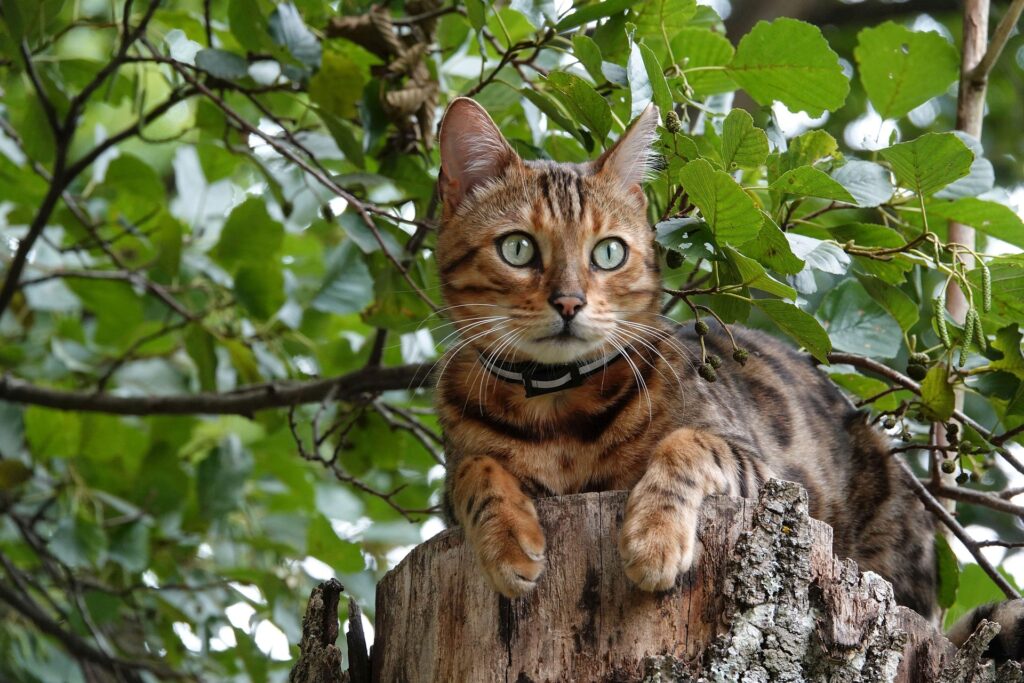
Bengal vs. Savannah Cat with their striking spotted coats, athletic physiques, and piercing eyes, Bengal and Savannah cats are among the most eye-catching feline breeds in the world. Their exotic appearance often leaves people wondering whether they’re looking at a miniature leopard or a domesticated companion. It’s no surprise that the Bengal cat vs. Savannah cat comparison is one of the most searched topics among prospective exotic cat owners. Bengal vs. Savannah Cat
Although these breeds share a wild ancestry and many physical similarities, they offer very different ownership experiences. Both are highly intelligent, energetic, and curious, but their personalities, care requirements, and adaptability vary considerably. Understanding these differences is essential before deciding which breed best suits your home and lifestyle.
Factors such as temperament, size, legal restrictions, living space, and long-term ownership costs can significantly influence your decision. For some households, these differences are simply preferences; for others, they can determine whether a particular breed is a suitable choice at all.
In general, the Bengal combines a dramatic, wild-inspired appearance with the affectionate and playful temperament of a domestic cat. The Savannah, especially in its earlier generations, retains more of its wild heritage and requires a more experienced owner who can meet its higher physical and behavioral needs.
Bengal vs. Savannah Cat: Key Differences at a Glance
If you’re looking for a quick comparison before exploring the details, the table below highlights the most important differences between Bengal and Savannah cats.
| Feature | Bengal Cat | Savannah Cat |
|---|
| Size | Typically weighs 8–15 pounds with a muscular, medium-sized body. | Usually weighs 12–25 pounds, depending on generation, with a tall, lean build. |
| Energy Level | Extremely active and playful but adapts well with daily exercise and enrichment. | Exceptionally energetic and athletic, requiring extensive physical activity and more living space. |
| Temperament | Friendly, outgoing, and social with family members. | Forms strong bonds with one or two people but may be cautious or territorial around strangers. |
| Living Space | Can thrive in apartments or smaller homes if provided with climbing structures and interactive play. | Best suited to larger homes with secure outdoor enclosures or plenty of vertical space. |
| Price | Reputable breeders typically charge $1,500–$3,000 for kittens. | Prices range from $1,500 for later generations to $25,000 or more for early-generation (F1) cats. |
| Legal Status | Legal to own in most regions with few restrictions. | Ownership may be restricted or prohibited in some locations, depending on the cat’s generation. |
| Best For | First-time exotic cat owners, active families, and apartment living. | Experienced owners who can provide ample space, enrichment, and specialized care. |
Origins and Genetics: How Wild Are Bengal and Savannah Cats?
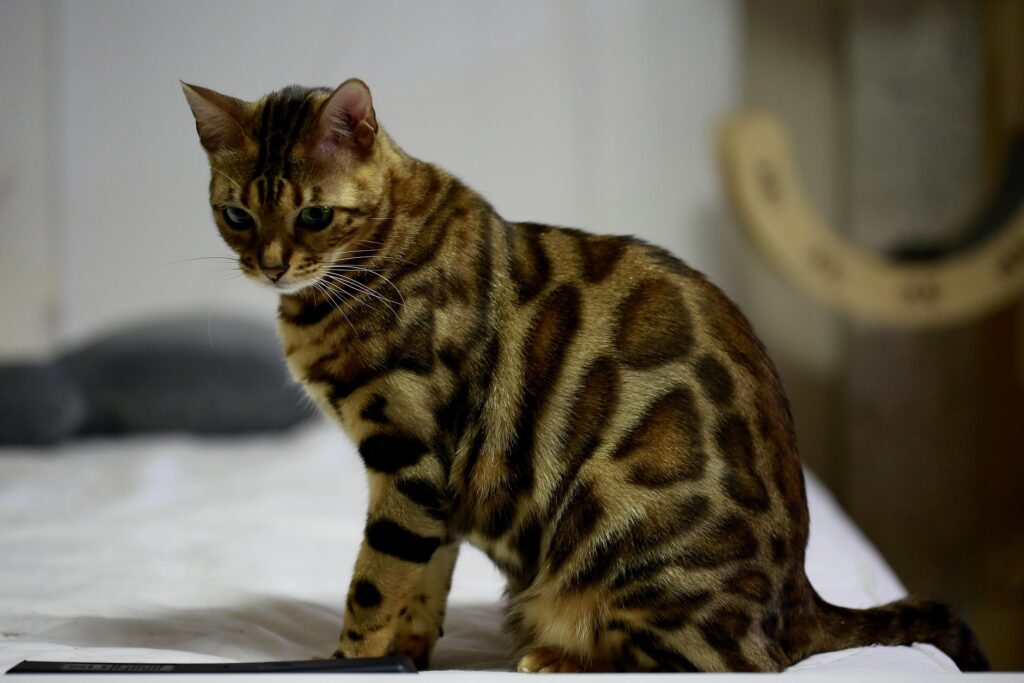
While Bengal and Savannah cats may appear similar at first glance, their ancestry tells two very different stories. Each breed was developed by crossing domestic cats with a different wild feline species, and those genetic differences continue to influence their appearance, behavior, and care requirements today.
The Bengal cat traces its lineage to the Asian leopard cat, resulting in a breed that combines a spectacular spotted coat with the temperament of a well-socialized domestic companion. Modern Bengals are several generations removed from their wild ancestors, making them affectionate, playful, and generally easier to integrate into family life.
The Savannah cat, on the other hand, descends from the African serval, a larger wild cat known for its long legs, oversized ears, and remarkable athletic ability. Because of this heritage, early-generation Savannahs (such as F1 through F3) often retain stronger wild instincts, require more space, and demand a greater level of physical and mental stimulation than most domestic cats.
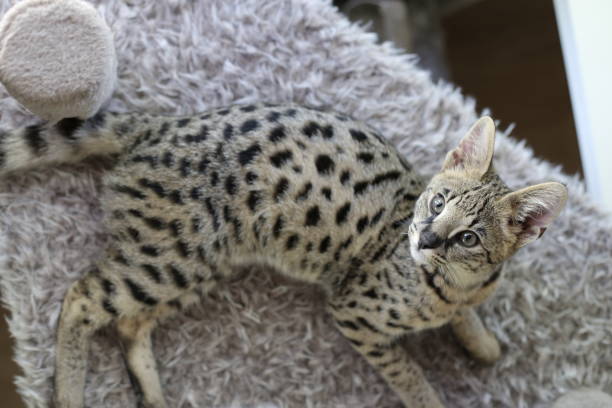
Although both breeds offer an exotic appearance, the degree of their wild ancestry plays a significant role in their behavior, trainability, and suitability for different households. Understanding these genetic differences is the first step toward choosing the breed that best matches
Bengal vs. Savannah Cat Size: Which Breed Is Bigger?
One of the most common questions prospective owners ask is how the Bengal cat vs. Savannah cat comparison differs in terms of size. While both breeds are athletic and muscular, the difference is much greater than many people expect—especially when comparing Bengals with early-generation Savannah cats.
If you’re looking for a cat with an exotic appearance, understanding how large each breed grows is important. Their size affects everything from living space and travel carriers to climbing structures and daily care.
Bengal Cat Size
The Bengal is considered a medium-to-large domestic cat with a strong, muscular frame. Adult males generally weigh between 10 and 15 pounds, while females usually weigh 7 to 10 pounds.
Most Bengals stand approximately 13 to 16 inches tall at the shoulder and measure 16 to 18 inches in body length. Despite their moderate size, they often feel heavier than they appear because of their dense muscle mass and athletic build.
Bengals continue developing until they are about two years old, reaching full maturity with a compact body designed for climbing, jumping, and active play.
Savannah Cat Size
The Savannah cat is noticeably larger and taller than the Bengal. Its long legs, lean body, oversized ears, and elongated neck create a striking appearance that closely resembles its wild African serval ancestor.
Early-generation Savannahs, particularly F1 and F2 cats, can weigh up to 30 pounds, while females may reach 25 pounds. Later generations, such as F4 and F5, are more commonly kept as pets and typically weigh between 12 and 18 pounds. Even so, they remain significantly taller than most Bengals.
Because of their impressive height and larger frame, Savannah cats require more room to move comfortably. Owners often need larger pet carriers, taller cat trees, more spacious resting areas, and sturdier enrichment equipment to accommodate their size and activity level.
Bengal vs. Savannah Cat Size Comparison: Which Breed Is Better?
If you’re looking for a cat that fits comfortably into most homes or apartments, the Bengal’s compact yet muscular build makes it the more practical choice. However, if you want a truly impressive feline with a commanding presence and have the space to support it, the Savannah cat stands out as the larger and more dramatic breed.
Bengal vs. Savannah Cat Temperament: Which Personality Fits Your Lifestyle?
While physical size is easy to compare, personality is often the deciding factor when choosing between a Bengal and a Savannah cat. Although both breeds are intelligent and energetic, they interact with people in very different ways.
Understanding each breed’s temperament will help you determine which one is more compatible with your household and lifestyle.
Bengal Cat Personality
Bengal cats are known for their outgoing, playful, and affectionate nature. They enjoy being involved in everyday activities and are happiest when they can interact with their owners throughout the day.
These highly intelligent cats love exploring their surroundings, climbing to high places, and investigating anything new. Many Bengals quickly learn games like fetch, respond well to clicker training, and can even be taught to walk on a leash.
They are also quite vocal and use a variety of sounds to communicate their needs and excitement.
One defining characteristic of the Bengal is its determination. If something captures its attention, whether it’s a cabinet door, a drawer, or a hidden toy, it will often work tirelessly to figure out how to reach it. Their persistence comes from curiosity rather than aggression, making them entertaining companions for active households.
Savannah Cat Personality
Savannah cats are equally intelligent but generally display a more independent and complex personality.
Rather than seeking attention from everyone in the household, many Savannahs form an exceptionally strong bond with one primary owner. They can be reserved around unfamiliar people and may take longer to trust visitors or adapt to new environments.
Early-generation Savannahs, particularly F1 through F3, often retain stronger behavioral traits inherited from their wild ancestry. They typically require extensive socialization from an early age and benefit from experienced owners who understand their unique needs.
Later generations, including F4 and F5, are generally more sociable and adaptable. However, they still require more time, structure, and enrichment than the average domestic cat. With proper training and consistent interaction, Savannah cats become remarkably loyal, intelligent companions, but they are usually less easygoing than Bengals.
Pro Tip: Socialization Is Essential for Savannah Cats
If you’re considering bringing home a Savannah cat, spend time interacting with the kitten before making a commitment. Ask the breeder about the kitten’s early socialization, exposure to people, and daily environment.
For Savannah cats, especially early generations, positive human interaction during the first few months of life plays a significant role in shaping confidence, friendliness, and long-term temperament.
Bengal vs. Savannah Cat Energy Levels: Which Breed Is More Active?
Both Bengal and Savannah cats are known for their exceptional energy, intelligence, and curiosity. Unlike many traditional house cats, these exotic breeds need daily physical exercise and mental stimulation to stay happy and healthy. However, when comparing the Bengal vs. Savannah Cat, there is a noticeable difference in just how demanding each breed can be. Bengal vs. Savannah Cat
While Bengals thrive with an active lifestyle, Savannah cats—particularly the early generations—require an even greater commitment of time, space, and enrichment.
Bengal Cat Energy Level
Bengal cats are constantly on the move. They enjoy climbing, running, chasing toys, and exploring every corner of the home. Their intelligence means they also need activities that challenge their minds, not just their bodies.
To keep a Bengal healthy and well-behaved, owners should provide:
- Daily interactive play sessions
- Tall cat trees and climbing shelves
- Puzzle feeders and treat-dispensing toys
- Rotating toys to prevent boredom
- Opportunities to climb, jump, and explore
Without enough stimulation, Bengals may become vocal, scratch furniture, or invent their own ways to stay entertained. Fortunately, these behaviors are usually easy to manage with regular exercise, environmental enrichment, and plenty of interaction.
Savannah Cat Energy Level
Savannah cats are among the most energetic domestic cat breeds, especially F1 through F3 generations, which retain more characteristics of their African serval ancestry.
These cats require far more than a few play sessions each day. To thrive, Savannahs typically need:
- Large indoor areas with plenty of room to run
- Secure outdoor enclosures (catios) or safe outdoor access
- Multiple high-intensity interactive play sessions every day
- Advanced puzzle toys and enrichment activities
- Continuous social interaction and training
Later-generation Savannahs, such as F4 and F5, are generally easier to manage than earlier generations. However, they still demand more daily exercise and mental stimulation than the average Bengal.
Owners who underestimate these needs may experience behavioral problems caused by boredom or frustration. Research has shown that unmet behavioral expectations are one of the common reasons owners surrender pets, highlighting the importance of choosing a breed that matches your lifestyle and activity level.
Bengal vs. Savannah Cat Intelligence: Which Breed Is Easier to Train?
Both Bengals and Savannahs rank among the most intelligent cat breeds in the world. They learn quickly, solve problems with ease, and enjoy interactive activities that challenge their minds. However, their learning styles differ, making the training experience unique for each breed.
Bengal Cat Intelligence and Trainability
Bengal cats are highly responsive to positive reinforcement and generally enjoy working with their owners. Their social nature makes them eager participants during training sessions.
Many Bengals can learn to:
- Walk on a leash
- Play fetch
- Respond to their name
- Perform simple tricks
- Solve food puzzles and interactive games
Because they enjoy human interaction, training often feels like a fun bonding activity rather than a chore. Consistency, praise, and treats usually produce excellent results.
Savannah Cat Intelligence and Trainability
Savannah cats are equally intelligent but tend to be more independent thinkers. Rather than following instructions simply to please their owners, they often choose when and how they want to participate.
Many Savannahs also enjoy leash walking and can master advanced behaviors, but successful training requires patience and respect for their independent nature.
The best results come from:
- Short, reward-based training sessions
- Positive reinforcement
- Consistent routines
- Allowing the cat to learn at its own pace
Attempting to force training or rushing the process can reduce trust and slow progress. Experienced owners who understand the breed’s temperament are often rewarded with an exceptionally responsive and capable companion.
Space Requirements: Does Your Home Suit a Bengal or a Savannah?
One of the biggest differences in the Bengal cat vs. Savannah cat comparison is the amount of space each breed requires. Before bringing either cat home, it’s important to consider whether your living environment can support their active lifestyle.
Ideal Home for a Bengal Cat
Bengals adapt surprisingly well to apartments and smaller homes, provided they have enough opportunities to exercise and explore.
A Bengal-friendly home should include:
- Tall cat trees and climbing towers
- Wall-mounted shelves or climbing systems
- Interactive toys and puzzle feeders
- Daily play sessions with family members
- Secure storage for fragile or valuable items
Although Bengals have high energy levels, they can live comfortably in compact spaces when their physical and mental needs are consistently met.
Ideal Home for a Savannah Cat
Savannah cats are best suited to larger homes where they have plenty of room to climb, run, and explore.
Owners should ideally provide:
- Spacious living areas
- Large, sturdy climbing structures
- Secure outdoor catios or enclosed exercise spaces
- Strong cabinet locks and door latches
- Durable furniture and enrichment equipment designed for large, athletic cats
Because Savannahs can jump extraordinary heights and are skilled problem-solvers, standard cat furniture is often insufficient. Their environment should be designed with safety, durability, and enrichment in mind to prevent boredom and unwanted escape attempts.
Bengal vs. Savannah Cat, Which Breed Adapts Better to Different Homes?
If you live in an apartment or a modest-sized home, the Bengal is generally the more adaptable choice. With enough daily exercise and mental stimulation, Bengals thrive in a variety of living environments.
Savannah cats, especially early-generation hybrids, are far better suited to owners with larger homes, secure outdoor spaces, and the time to meet their exceptional physical and behavioral needs.
Bengal or Savannah Cat: Which Breed Fits Your Lifestyle?
Choosing between a Bengal cat and a Savannah cat isn’t about deciding which breed is better—it’s about finding the one that best matches your lifestyle, experience, and living environment.
Although both breeds are intelligent, active, and visually stunning, their care requirements and personalities differ significantly. Taking an honest look at your home, schedule, and experience with high-energy pets will help you make the right decision.
Choose a Bengal Cat If You:
A Bengal is often the better choice for owners who want an exotic-looking cat with a temperament that is easier to manage in a typical household.
A Bengal may be the perfect fit if you:
- Want a cat with a wild appearance and a friendly, playful personality.
- Live in an apartment, condominium, or smaller home with plenty of climbing opportunities.
- Are new to owning exotic or hybrid cat breeds.
- Have children, other cats, or cat-friendly dogs.
- Can dedicate time each day to interactive play and mental enrichment.
- Prefer a highly social companion that enjoys spending time with the family.
With the right care and enrichment, Bengals adapt well to a wide range of living situations while providing endless entertainment and companionship.
Choose a Savannah Cat If You:
Savannah cats are better suited to experienced owners who understand the unique challenges of caring for a hybrid breed with stronger wild instincts.
A Savannah may be the right choice if you:
- Have experience caring for active, intelligent, or exotic animals.
- Own a spacious home with plenty of room for climbing and exercise.
- Can provide a secure outdoor enclosure or catio.
- Have researched your local laws regarding Savannah cat ownership.
- Have the time and patience to provide extensive training, enrichment, and socialization.
- Appreciate a more independent cat that forms deep bonds with its owner.
For the right owner, a Savannah offers an extraordinary companion unlike almost any other domestic cat. However, the breed requires a level of commitment that should not be underestimated.
Final Verdict: Bengal vs. Savannah Cat
The Bengal cat vs. Savannah cat debate doesn’t have a one-size-fits-all answer. Both breeds are exceptional companions, but they thrive in different types of households. Bengal vs. Savannah Cat
The Bengal strikes an ideal balance between exotic beauty and domestic companionship. Its affectionate personality, playful nature, and adaptability make it an excellent choice for families, active individuals, and first-time owners looking for a unique pet without the added complexity of caring for a more demanding hybrid.
The Savannah, on the other hand, remains closer to its wild heritage—particularly in the early generations. These cats require more space, more enrichment, and more experienced handling. For owners who can meet those needs, the Savannah provides an incredibly rewarding relationship built on intelligence, loyalty, and remarkable athleticism.
Before making your final decision, take the time to research local ownership regulations, evaluate your living space, and choose a reputable breeder who prioritizes health, temperament, and responsible breeding practices. A well-informed decision benefits both you and your future feline companion.
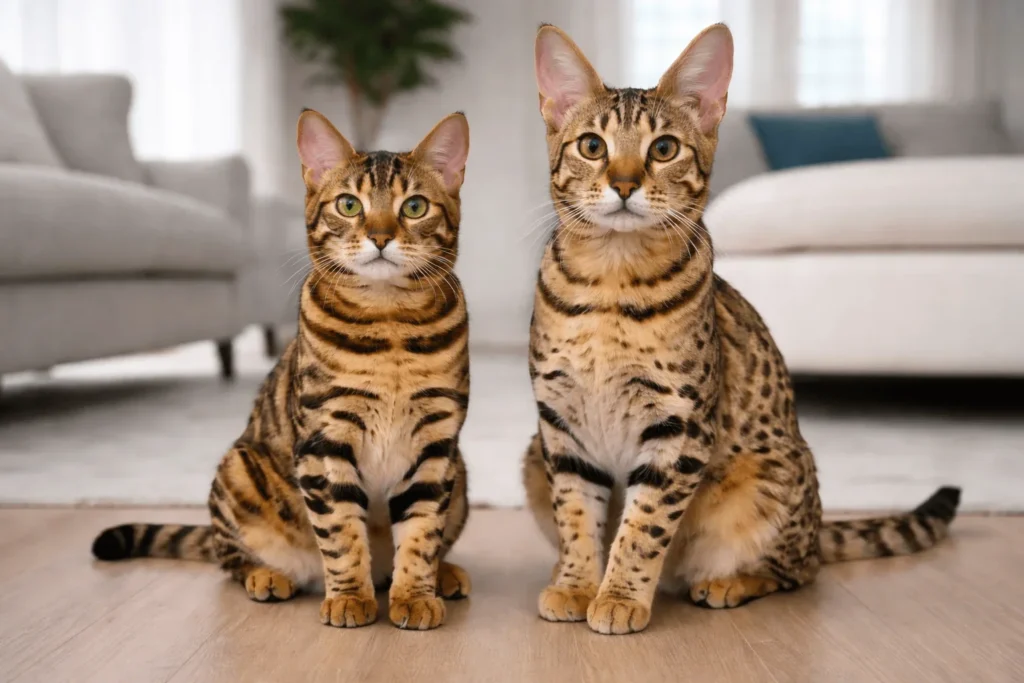
Thinking About Bringing Home a Bengal or Savannah Cat?
Whether you’re considering a Bengal or a Savannah, always work with a responsible breeder who performs health testing, provides complete pedigree documentation, and prioritizes early socialization.
Before placing a deposit on a kitten, ask for:
- Health screening records for the parents
- Vaccination and veterinary records
- Generation documentation (for Savannah cats)
- Genetic testing information
- Details about the kitten’s early socialization and living environment
Choosing a reputable breeder helps ensure you’re bringing home a healthy, well-adjusted kitten that’s a good fit for your family.
Frequently Asked Questions
Are Savannah Cats Bigger Than Bengal Cats?
Yes. In most cases, Savannah cats are considerably larger than Bengals. Adult Bengals generally weigh between 8 and 15 pounds, while Savannah cats can weigh 12 to 25 pounds or more, depending on their generation. Savannahs are also noticeably taller and have longer legs, giving them a more dramatic, wild appearance.
Are Savannah Cats Good With Children and Other Pets?
Later-generation Savannah cats, such as F4 and F5, often adapt well to families when they receive proper socialization from an early age. However, early-generation Savannahs may be more reserved and are typically better suited to experienced owners. Bengal cats generally integrate more easily into homes with children and other pets, especially when introductions are gradual and supervised.
Can Bengal Cats and Savannah Cats Live Together?
Yes, they can, provided they are introduced carefully and given enough space. Success depends less on breed and more on each cat’s personality, age, and socialization history. Providing multiple feeding areas, litter boxes, climbing spaces, and resting spots can help reduce territorial behavior.
Are Savannah Cats Legal Everywhere?
No. Laws governing Savannah cat ownership vary by country, state, and local municipality. Some areas allow ownership without restrictions, while others require permits or prohibit certain generations altogether. Always verify local regulations before purchasing or adopting a Savannah cat.
Which Breed Is More Likely to Develop Behavioral Problems?
Both Bengal and Savannah cats can develop behavioral issues if they do not receive enough physical exercise, mental stimulation, or social interaction.
Bengals are more likely to express boredom by scratching furniture, vocalizing excessively, or exploring areas they shouldn’t.
Savannah cats may become anxious, withdrawn, or display territorial behaviors when their environmental and social needs are not met.
Regardless of the breed, providing daily enrichment, interactive play, and consistent companionship is essential for raising a happy, well-adjusted cat.